
Key Takeaways
- Spotted lanternflies and emerald ash borers are already established throughout Fairfax County, with spotted lanternflies feeding on over 100 plant species and emerald ash borers killing all untreated ash trees.
- Hemlock woolly adelgid has established active populations across Northern Virginia, killing Eastern hemlock trees within 4 to 10 years without treatment by feeding on stored nutrients at the base of needles.
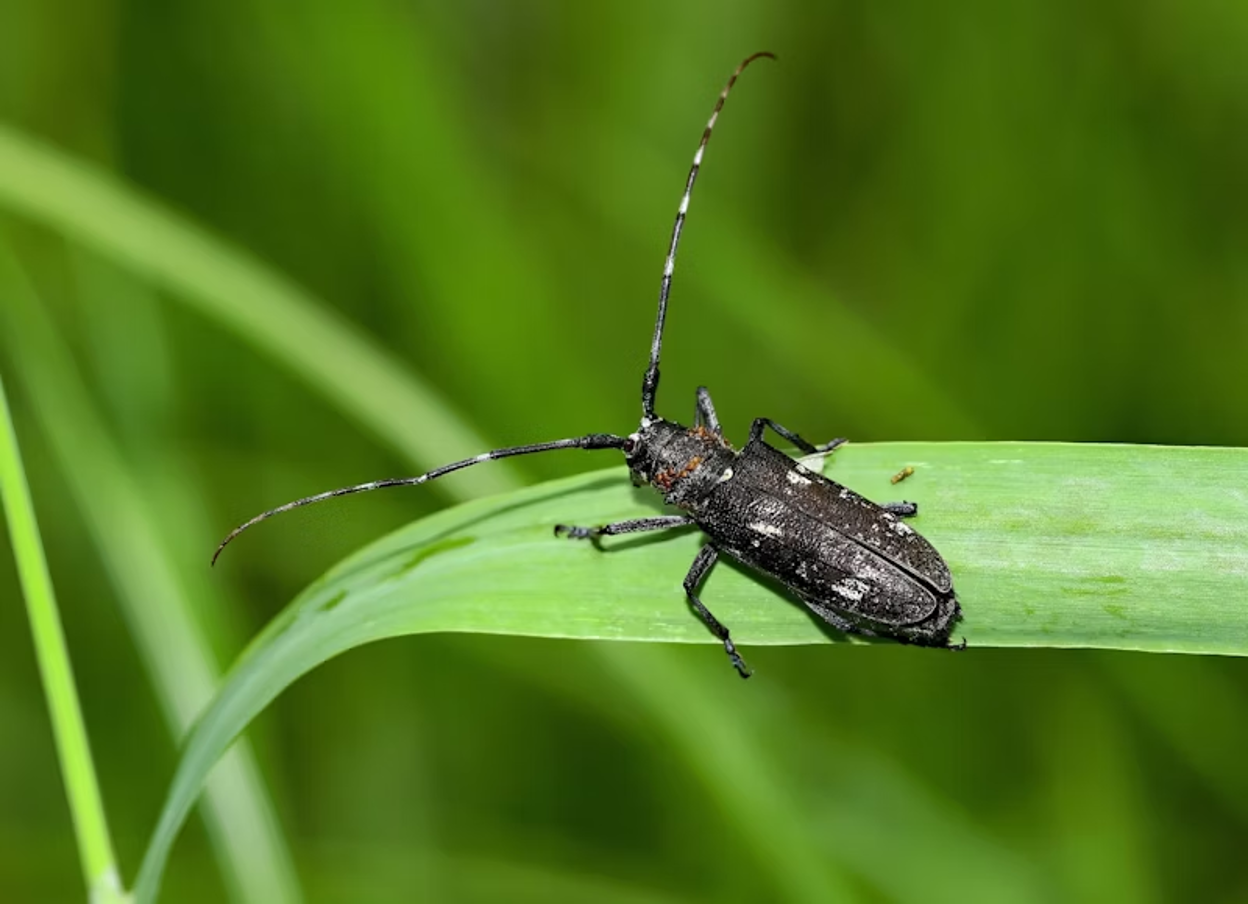
- The Asian longhorned beetle has not yet reached Fairfax County, but authorities list it as a species to watch because it kills maple, birch, willow, elm, and ash trees and would cause multi-billion-dollar hardwood losses if established.
- Firewood movement is one of the primary ways wood-boring beetles spread to new regions, making “buy local, burn local” one of the most effective prevention behaviors.
- Connor’s Pest Pros provides professional treatment for invasive insect infestations, using systemic insecticides and targeted applications for spotted lanternflies, and trunk injections protecting ash trees from emerald ash borer damage.
Northern Virginia Faces Multiple Invasive Insect Threats
Northern Virginia is actively battling several invasive bug species that lack natural predators in the region, including the spotted lanternfly (confirmed to be widespread in Fairfax County), the emerald ash borer (silently killing ash trees throughout the county), and the hemlock woolly adelgid (destroying Eastern hemlocks across the region).
These are not future threats but present-day crises causing tree death, agricultural damage, and ecosystem disruption in backyards, parks, and forests. This article covers the identification of each major invasive species, the specific damage they cause, and step-by-step actions residents can take.
|
Connor’s Pest Pros: Family-Owned Pest Control Experts Choose Your Pest Protection Solution:
Customer Praise:
★★★★★ “Quick to answer my call and available same-day… I recommend them to anyone looking for pest control in NOVA.” – Jacquelyn L.
Why Choose Connor’s Pest Pros:
|
The Most Destructive Invasive Bugs in Northern Virginia
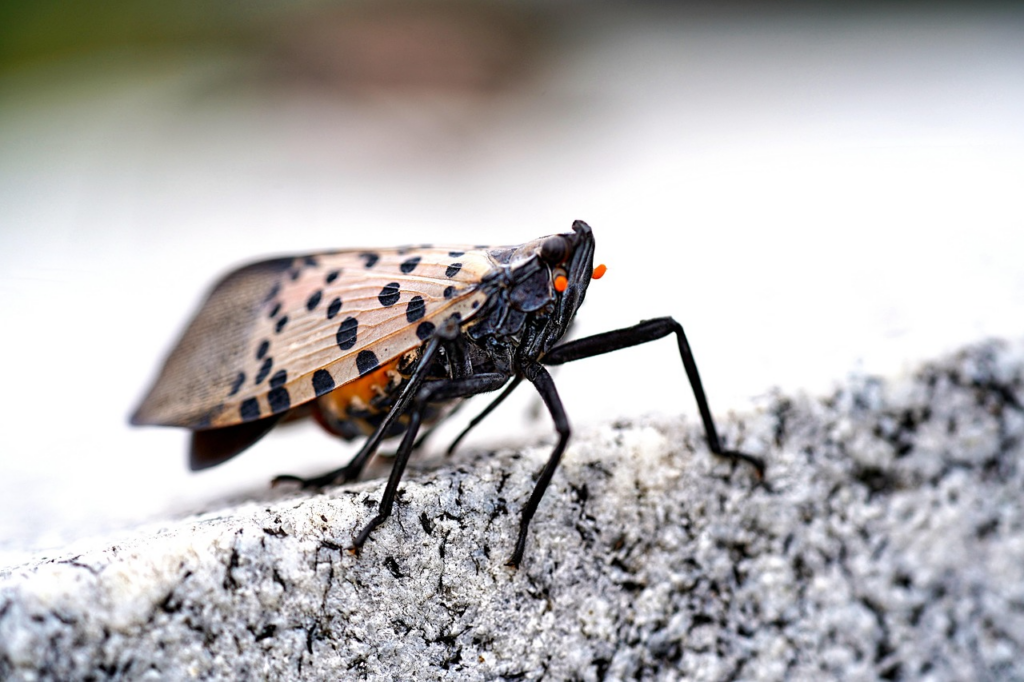
Northern Virginia sits at a geographic and ecological crossroads, making it especially vulnerable to invasive species such as the spotted lanternfly.
Spotted Lanternfly: Widespread Throughout Fairfax County
The spotted lanternfly (Lycorma delicatula) is visually striking with hindwings that reveal three distinct zones when open: a red lower half patterned with black spots, a white band across the middle, and black-tipped outer edges, but its appearance masks serious destructive capability. Native to China, India, and Vietnam, it was first detected in Pennsylvania in 2014 and has since spread aggressively southward into Virginia. Fairfax County has confirmed it is widespread throughout the area.
Spotted lanternflies feed on over 100 plant species by piercing stems and sucking out sap, weakening plants and leaving behind a sticky waste called honeydew that promotes black sooty mold growth. In Virginia, it has no natural predators, which means nothing is naturally keeping its population in check. It poses a direct threat to fruit crops, hardwood trees, ornamental plants, and vineyards.
Emerald Ash Borer: Killing Virginia’s Ash Trees
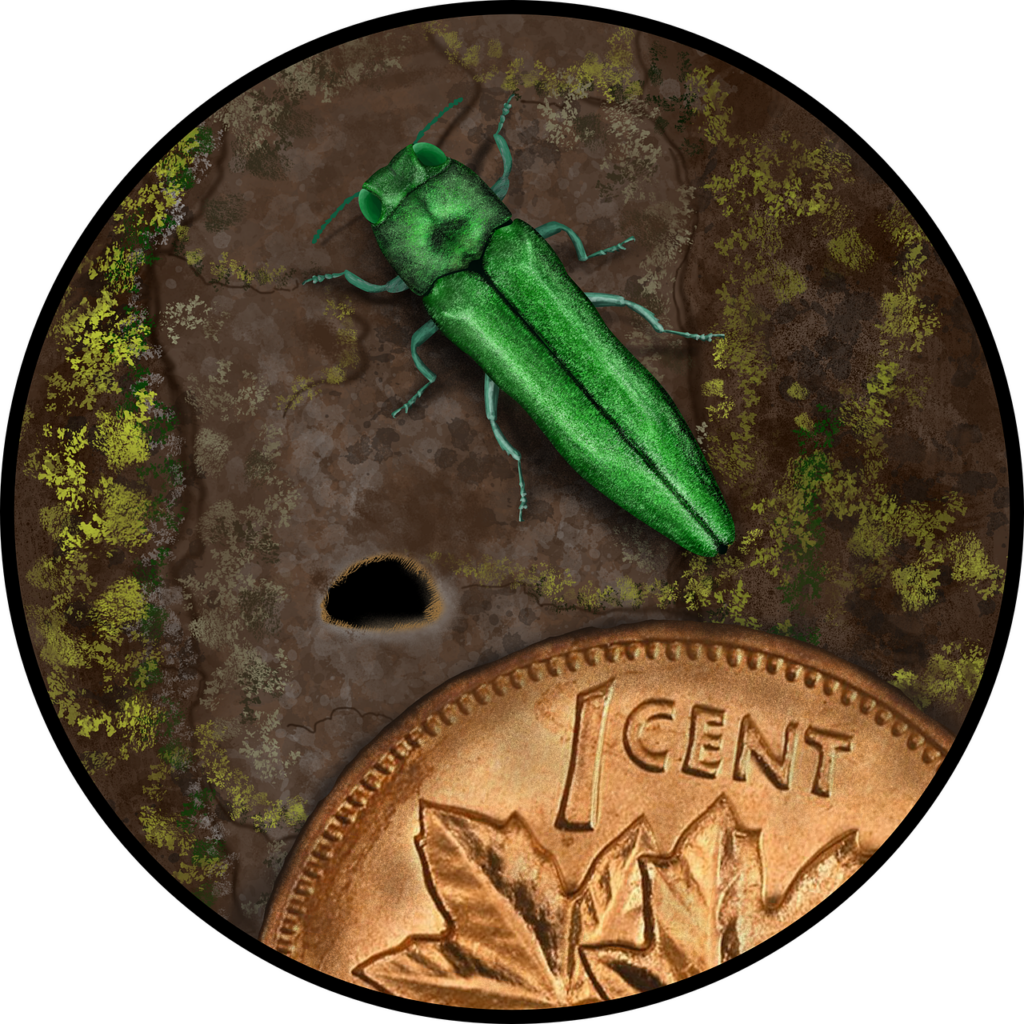
The emerald ash borer (Agrilus planipennis) is a metallic-green wood-boring beetle accidentally introduced from Asia. It is already present in Fairfax County. Virginia’s native ash trees have absolutely no natural defenses against it.
The beetle’s larvae bore into ash tree bark and feed on the tissue underneath, cutting off the tree’s ability to transport water and nutrients. Without treatment, an infested ash tree will die, and every ash species is at risk. By the time visible symptoms appear on the outside of a tree, the infestation is often already severe. This makes proactive treatment essential rather than a reactive response.
Hemlock Woolly Adelgid: Destroying Eastern Hemlocks
The hemlock woolly adelgid (Adelges tsugae) is a tiny, aphid-like insect almost invisible to the naked eye, but its impact on Eastern hemlock trees is impossible to ignore. It attaches itself to the base of hemlock needles and feeds on the tree’s stored nutrients, steadily starving the tree over 4 to 10 years without treatment.
The Eastern hemlock is a critical species in Northern Virginia’s forest ecosystems, providing dense canopy cover and habitat for a wide range of wildlife. Losing these trees fundamentally alters the forest’s structure.
Asian Longhorned Beetle: The Threat That Has Not Yet Arrived
The Asian longhorned beetle (Anoplophora glabripennis) has not been confirmed in Fairfax County, but Fairfax County authorities list it as a species to watch, precisely because it is considered one of the most destructive tree pests in North America. It bores into and kills a wide range of hardwood trees, including maple, birch, willow, elm, and ash.
It is large and distinctive: glossy black with white spots and extremely long antennae, making it one of the easiest invasive beetles to identify at a glance. Body length is approximately 1 to 1.5 inches. Any confirmed sighting in Northern Virginia should be reported to authorities immediately.
Summary Table: The Top Invasive Bugs in Northern Virginia
| Species | Status in Fairfax County | Primary Threat |
| Spotted Lanternfly | Widespread, confirmed | Crops, ornamental plants, native trees (100+ species) |
| Emerald Ash Borer | Confirmed, active | All ash tree species without treatment |
| Hemlock Woolly Adelgid | Established, active | Eastern hemlock trees |
| Asian Longhorned Beetle | Not yet confirmed | Maple, birch, willow, elm, ash (watch species) |
How These Bugs Actually Cause Harm
Invasive bugs cause harm across multiple dimensions simultaneously, affecting ecosystems, economies, and individual properties at the same time.
Damage to Native Trees & Forests
The forest damage caused by invasive bugs in Northern Virginia extends beyond the loss of individual trees to the collapse of interconnected ecosystems. When emerald ash borers kill ash trees, the canopy opens, allowing invasive plants to dominate the forest floor.
When hemlock woolly adelgid destroys Eastern hemlocks, entire stream corridors lose their shade cover, raising water temperatures and disrupting aquatic habitats.
One invasive insect species triggers a chain reaction that reshapes entire forest communities over time. Fairfax County’s parks and natural areas are quietly being transformed by these pressures right now.
Threats to Agriculture & Home Gardens
The spotted lanternfly is the most immediate threat to backyard gardens and agricultural operations across Northern Virginia. It feeds on grapevines, fruit trees, hops, and ornamental plants. The sticky honeydew it secretes coats plants and surfaces, then black sooty mold grows, blocking sunlight and further weakening already-stressed plants.
Virginia’s wine industry faces a direct threat from expanding lanternfly infestations across the Northern Virginia corridor. For home gardeners, a heavy spotted lanternfly infestation can render fruit trees and vegetable gardens nearly unproductive in a single season.
Economic Costs
Tree removal alone is expensive. Removing a single large ash tree from a residential property can cost homeowners several hundred to several thousand dollars, depending on its size and location. Multiply that across thousands of ash trees in Fairfax County neighborhoods, and the cost picture becomes stark.
Mature trees are also a significant contributor to residential property value. As the emerald ash borer kills ash trees and the hemlock woolly adelgid destroys hemlocks, homeowners lose that natural asset.
Step-by-Step Solutions for Northern Virginia Residents
1. Report Sightings to Virginia Invasive Species or Fairfax County
Reporting is the single most impactful action residents can take. Fairfax County has a dedicated invasive species reporting system, and the Virginia Department of Forestry tracks sightings across the state. When you report a confirmed or suspected sighting, you feed real-time data to the agencies responsible for managing these populations.
For spotted lanternfly sightings, report to Fairfax County’s invasive species program. For potential Asian longhorned beetle sightings, report immediately to the Virginia Department of Forestry or the USDA Animal and Plant Health Inspection Service (APHIS). Do not wait to be certain. A false alarm is far less costly than a missed detection.
2. Scrape & Destroy Spotted Lanternfly Egg Masses
Spotted lanternfly egg masses look like dried mud smeared across a flat surface: tree bark, stone walls, outdoor furniture, vehicles, and patio furniture are common sites. Each egg mass contains 30 to 50 eggs.
- Locate egg masses on hard outdoor surfaces between late September and early May
- Use a stiff card or plastic scraper to scrape the mass off the surface
- Deposit the scraped material directly into a zip-lock bag filled with hand sanitizer or rubbing alcohol
- Seal the bag completely before disposal
- Dispose of the sealed bag in the trash
Simply scraping egg masses onto the ground is not sufficient. The eggs can survive and hatch even after being dislodged.
3. Do Not Move Firewood Across Regions
Firewood is one of the primary ways invasive wood-boring beetles, such as the emerald ash borer and the Asian longhorned beetle, spread from one region to another. Beetle larvae can live inside firewood that looks completely normal on the outside. When that firewood is transported and used in a new location, the adults emerge and establish a new population in a previously unaffected area.
The rule is straightforward: buy local, burn local. Purchase firewood from vendors within the area where you plan to burn it, and never bring firewood from home when camping or traveling.
4. Treat At-Risk Trees
If you have ash trees on your property in Northern Virginia, treatment is urgent. Untreated ash trees in Fairfax County face near-certain death from emerald ash borer.
If your hemlock or ash tree is near a stream or water body, consult a certified arborist before applying any soil-applied insecticide, as some of these treatments carry restrictions near waterways due to their toxicity to aquatic invertebrates. For high-value trees or multi-tree properties, Connor’s Pest Pros can assess infestation severity and recommend the appropriate treatment method.
5. Call a Professional for Heavy Infestations

When invasive insect populations exceed what manual control and homeowner treatments can manage, professional pest management delivers results that DIY methods cannot match.
A professional pest control service, such as Connor’s Pest Pros, provides professional treatment for invasive insect infestations throughout Northern Virginia. For spotted lanternflies, our technicians assess infestation severity across your property, identify all affected trees and any Tree of Heaven specimens attracting populations, and implement targeted treatment using commercial-grade products.
Our treatment approach addresses both immediate population reduction and longer-term protection. Contact applications eliminate active spotted lanternfly nymphs and adults, while systemic treatments protect high-value landscape trees throughout the feeding season. We time applications to avoid bloom periods when pollinators are active.
Protect Your Northern Virginia Property from Invasive Insects
For properties with severe infestations, Connor’s Pest Pros provides professional invasive insect treatment with commercial-grade products and targeted application methods.
Contact us today for an assessment of your Northern Virginia property, or call before noon for same-day service availability. We serve Fairfax, Vienna, Oakton, Burke, Springfield, and surrounding areas with comprehensive pest control backed by our 100% satisfaction guarantee.
Contact us today for your free quote!
Frequently Asked Questions (FAQs)
Which invasive bug is the biggest threat to Northern Virginia right now?
The spotted lanternfly is the most widespread and actively spreading invasive bug, confirmed throughout Fairfax County and threatening over 100 plant species with no natural predators in Virginia. The emerald ash borer matches this urgency for different reasons: it operates more quietly but delivers permanent, irreversible damage to every untreated ash tree.
Is the spotted lanternfly dangerous to humans or pets?
Spotted lanternflies pose no direct danger to humans or pets. They do not sting, bite, or transmit disease. The threat is entirely to plants, trees, crops, and agricultural operations. However, the honeydew they excrete attracts stinging insects like wasps and yellow jackets, creating an indirect sting risk in heavily infested yards.
How do I report an invasive bug sighting in Fairfax County?
For spotted lanternfly sightings, report through Fairfax County’s invasive species reporting page. For potential Asian longhorned beetle sightings, contact the Virginia Department of Forestry or USDA APHIS immediately. Photographs are extremely helpful when submitting reports.
When should I call a professional for invasive insect treatment?
Professional treatment becomes valuable when infestations affect multiple trees, when high-value landscape specimens require protection, or when DIY methods are not adequately controlling populations. Connor’s Pest Pros provides targeted treatment using commercial-grade products and application methods that deliver results beyond what homeowner approaches can achieve for heavy infestations.