

Key Takeaways
- Garden squirrel damage runs on a seasonal clock: spring and summer bring vegetable and fruit raids, fall brings bulb caching, and winter brings digging as squirrels retrieve buried food by smell.
- Most gardeners start with sprays, but capsaicin washes off in the first rain, predator urine loses effect as urban squirrels habituate, and garlic mixes require reapplication that few households keep up with.
- Hardware cloth cages with half-inch openings are the only method squirrels cannot defeat, and pairing them with daffodils, alliums, or fritillaria planted over vulnerable bulbs covers the gaps where repellents fail.
- Connor’s Pest Pros provides humane wildlife exclusion across Virginia, Maryland, and the D.C. metro when squirrels move from the garden into soffits, attics, or roofing, where structural damage outpaces any DIY deterrent.
What Drives Squirrel Damage in Home Gardens
Hardware cloth barriers, capsaicin-based repellents, and strategic companion planting are the three methods that actually reduce squirrel damage in home gardens. Hardware cloth with half-inch mesh physically excludes squirrels from beds and bulbs, capsaicin sprays deter feeding when reapplied after rain, and plants like daffodils, alliums, and fritillaria add a natural layer that holds year-round. Which combination fits depends on what you are growing, how much digging pressure you see, and whether squirrels are already moving toward your house.
Squirrel activity in Virginia and Maryland gardens follows the seasons closely, with spring raids on produce, fall bulb caching, and winter digging that undoes your planting plan. The options in this guide cover exclusion, repellents, and resistant plantings, plus the point where the job becomes a job for a wildlife professional.
|
Connor’s Pest Pros: Family-Owned Pest Control Experts Choose Your Pest Protection Solution:
Customer Praise:
★★★★★ “Quick to answer my call and available same-day… I recommend them to anyone looking for pest control in NOVA.” – Jacquelyn L.
Why Choose Connor’s Pest Pros:
|
What Physical Barriers Actually Stop Squirrels?
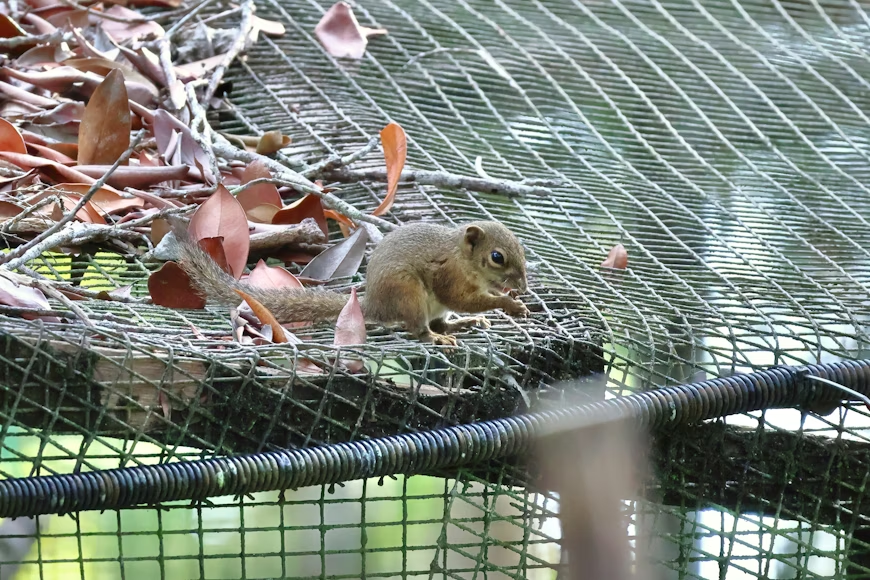
Physical barriers remain the most effective squirrel deterrent for gardens because they address the problem directly rather than hoping to change squirrel behavior.
A determined squirrel will eventually overcome most repellents, but it cannot pass through properly installed wire mesh.
Hardware cloth with half-inch openings provides the best balance of protection and plant access for light and water. Quarter-inch mesh offers even better exclusion but restricts airflow and makes tending plants more difficult. Standard chicken wire is less effective because squirrels can squeeze through or chew larger openings.
For vegetable beds, construct simple cage frames from PVC pipe, wooden stakes, or bent wire and cover them with hardware cloth. Secure edges to the ground with landscape staples or bury them several inches deep to prevent squirrels from pushing underneath. Make cages tall enough to accommodate mature plant height and include a removable top or access door for harvesting.
Netting also protects fruiting plants and ripening vegetables effectively. Bird netting draped over frames excludes squirrels from strawberries, blueberries, and other fruits. Secure netting edges so squirrels cannot find gaps. Some gardeners use rigid plastic netting that squirrels cannot push through or get tangled in, which is especially useful for fruit trees and berry patches where local wildlife removal becomes necessary once squirrels find a way in.
Natural Repellents That Actually Work

Natural repellents appeal to gardeners who prefer avoiding commercial products or want methods safe around children and pets.
Capsaicin-based deterrents are among the most effective natural options. Squirrels dislike the burning sensation from hot peppers, and coating bulbs, seeds, or soil surfaces with cayenne pepper or commercial hot pepper sprays discourages digging and feeding. The drawback is that rain and irrigation wash away the active ingredient, requiring frequent reapplication. Some gardeners mix cayenne pepper with petroleum jelly for longer-lasting application to bulbs before planting.
Predator urine products also create the impression that foxes, coyotes, or bobcats have marked territory in your garden. Squirrels instinctively avoid areas where predators are active. Commercial products are available at garden centers, or you can use predator urine from hunting supply stores. Apply around garden perimeters and refresh every few weeks or after rain. Effectiveness varies since urban squirrels may be less responsive to predator cues than their rural counterparts.
Garlic and onion sprays create strong odors that squirrels find offensive. Blend garlic cloves or onions with water, strain, and spray on plants and soil. Add a small amount of dish soap to help the mixture adhere to leaves. These homemade sprays are inexpensive but require frequent reapplication and may affect the taste of edible crops.
Which Plants Keep Squirrels Out of the Garden?
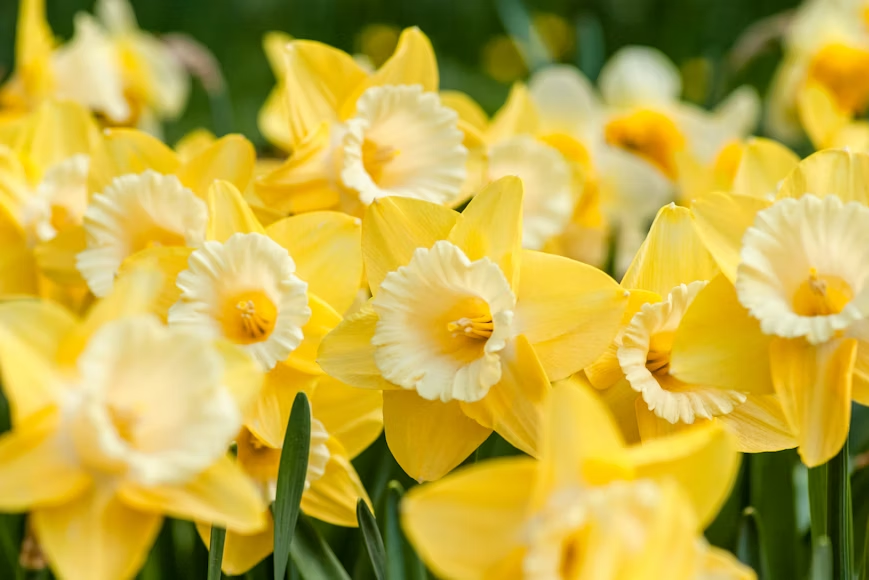
Some plants naturally repel squirrels through strong scents, bitter taste, or toxic compounds. Incorporating these into your garden design can reduce squirrel pressure while adding beauty and function to your landscape.
Allium family plants including garlic, onions, chives, and ornamental alliums produce sulfur compounds that squirrels find offensive. Interplant these throughout vegetable beds and around garden perimeters. Ornamental alliums also provide striking spring flowers that pollinators love.
Daffodils contain lycorine and other alkaloids that are toxic to squirrels and most other animals. Unlike tulips and crocuses, which squirrels eagerly dig up and eat, daffodils are reliably left alone. Plant daffodils alongside or above vulnerable bulbs for natural protection. Some gardeners place daffodil bulbs directly on top of tulip bulbs at planting time.
Fritillaria bulbs emit a skunky odor that reportedly repels squirrels and other rodents. Crown imperial fritillaria is the most commonly recommended species. Plant these near vulnerable bulbs or throughout garden beds for their unusual flowers and deterrent properties.
Strong-scented herbs including mint, rosemary, sage, and lavender may reduce squirrel activity in nearby areas. Squirrels tend to ignore these plants rather than actively avoid them, but adding them to garden design gives you culinary herbs while discouraging foraging.
The D.C. Metro Squirrel Plan That Actually Holds

Most garden squirrel problems respond to the DIY methods described above. However, certain situations benefit from professional wildlife management.
For most gardens, a half-inch hardware cloth cage over high-value beds, capsaicin reapplied after every rain, and daffodils or alliums planted over vulnerable bulbs will stop the bulk of squirrel damage. Problems only escalate past that point when squirrels stop treating your garden as a food source and start treating your house as a nest site.
Connor’s Pest Pros handles the handoff from garden to structure, inspecting soffits, attic vents, and roofing for squirrel entry points, removing animals humanely, and sealing access so the same squirrels cannot come back. If damage is spreading from your beds to your home, request your free quote and we can have a same-day inspection scheduled across Virginia, Maryland, and the D.C. metro.
Contact us today for your free quote!
Frequently Asked Questions (FAQs)
What is the most effective way to keep squirrels out of my garden?
Physical barriers provide the most reliable protection. Hardware cloth cages with half-inch mesh exclude squirrels from vegetable beds and protect individual plants. For bulbs, lay hardware cloth flat over planted areas and cover with mulch.
Do natural squirrel repellents actually work?
Natural repellents can reduce squirrel activity but rarely eliminate it completely. Capsaicin (hot pepper) products are among the most effective, though they require frequent reapplication after rain. Predator urine, blood meal, and garlic sprays provide variable results depending on local squirrel populations and habituation levels. For best results, rotate between different repellent types and combine them with physical barriers. Expect reduction rather than elimination when relying on repellents alone.
How do I stop squirrels from digging up my flower bulbs?
Protect bulbs by laying hardware cloth over planted areas and covering with a few inches of mulch. The mesh prevents digging while allowing shoots to grow through in spring. Alternatively, plant bulbs inside wire mesh baskets that protect them underground permanently. Coating bulbs with hot pepper powder before planting provides additional deterrent.
Why do squirrels take one bite from each tomato instead of eating whole ones?
This frustrating behavior likely reflects squirrels testing multiple fruits for ripeness or moisture content rather than feeding to satiety. Squirrels may also be disturbed during feeding and return to try different fruits. Regardless of the reason, this pattern maximizes damage to your harvest. Protecting tomatoes with hardware cloth cages as fruits begin ripening prevents this behavior. Some gardeners also harvest tomatoes slightly early during peak squirrel season and finish ripening indoors.
When should I call Connor’s Pest Pros instead of handling squirrel problems myself?
DIY barriers, repellents, and habitat modification handle most garden squirrel conflicts effectively when applied consistently. Professional intervention becomes the right call when squirrels are entering your home through soffits, roofing, or attic vents, when structural damage is occurring, or when persistent garden damage continues despite multiple deterrent methods. Connor’s Pest Pros identifies access points, removes problem animals humanely, and seals entry points to prevent future conflicts.