
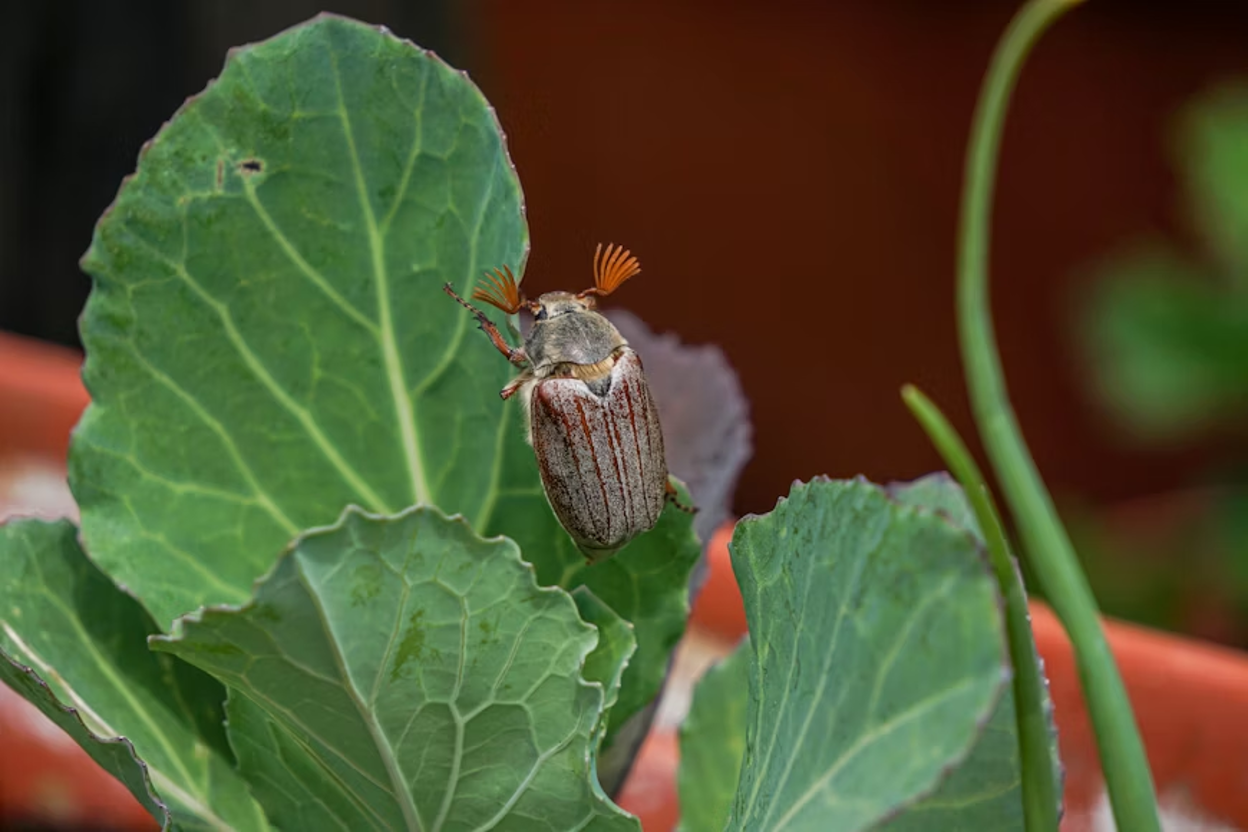
Key Takeaways
- Natural garden pest control starts long before any spray gets mixed. The health of your soil, the diversity of your planting, and the insects you invite in do more to keep pest pressure low than any product on the shelf.
- Reaching for a treatment at the first sign of damage is the most common mistake. Broad-spectrum sprays, even organic ones, wipe out the ladybugs, lacewings, and parasitic wasps that were already doing the work for free.
- The reliable approach is layered: feed the soil with compost and cover crops, interplant aromatic herbs and trap crops, and keep neem oil, insecticidal soap, and Bt on hand for the rare moments intervention is needed. Connor’s Pest Pros handles the cases where damage has moved past what any of those steps can contain.
- Neem oil covers the widest range of targets, from aphids and whiteflies to beetles and powdery mildew. Bt is narrower on purpose, killing caterpillars only and leaving every beneficial insect untouched.
- Connor’s Pest Pros delivers integrated pest management for Virginia and Maryland gardens where infestations have spread into ornamental beds, lawns, or the house itself, combining eco-friendly treatments with the exclusion and habitat work DIY methods cannot reach.
Why Natural Pest Control Works Differently
Neem oil, Bacillus thuringiensis (Bt), insecticidal soap, and companion planting are the four natural treatments that do the real work in a home garden. Neem oil handles the widest range of soft-bodied pests and doubles as a mild fungicide, Bt is a soil bacterium that targets caterpillars only, insecticidal soap kills aphids and mites on contact without leaving residue, and companion planting with basil, nasturtiums, and umbel-flowered herbs quietly reduces pressure before anything needs spraying. Which of these you reach for depends on the pest, the crop, and how early you catch it. Gardens across Virginia and Maryland face the same cycle of aphids in spring, caterpillars through summer, and squash bugs by late season, and the growers who stay ahead of it lean on prevention more than products.
If you’re gardening in the D.C. metro area and want to keep chemical use to a minimum, the methods in this guide cover soil health, companion planting, beneficial insects, and the organic sprays that actually work, plus the point at which professional help makes more sense than a fifth round of neem.
|
Connor’s Pest Pros: Family-Owned Pest Control Experts Choose Your Pest Protection Solution:
Customer Praise:
★★★★★ “Quick to answer my call and available same-day… I recommend them to anyone looking for pest control in NOVA.” – Jacquelyn L.
Why Choose Connor’s Pest Pros:
|
How Does Soil Health Protect Plants From Pests?
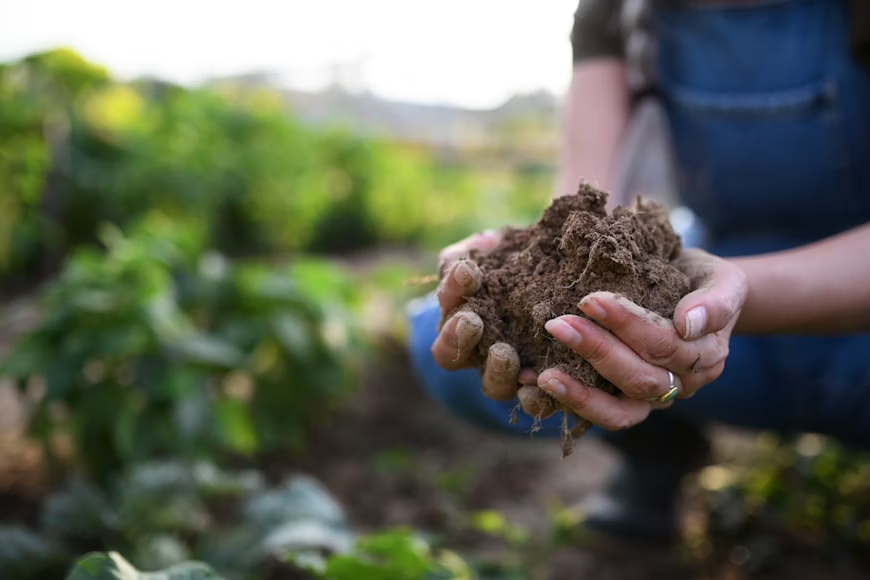
Building healthy, biologically active soil is the single most effective long-term investment any gardener can make in natural pest resistance.
Why Soil Health Is the Foundation
The foundation of natural pest control sits literally in the ground. Soil rich in beneficial microorganisms, organic matter, and balanced nutrients grows plants that resist pest damage far better than those raised in depleted or chemically dependent soils. Investing in soil health pays off in lower pest pressure year after year.
Composting for Biological Activity
Compost is the cornerstone of healthy garden soil. Well-made compost introduces billions of beneficial bacteria and fungi that form symbiotic relationships with plant roots. These soil organisms help plants access nutrients, improve water retention, and even trigger plant immune responses that deter pests. Compost also improves soil structure, creating the loose, well-drained conditions that most vegetables prefer.
Cover Crops and Off-Season Protection
Cover crops planted during off-seasons protect and improve soil while breaking pest cycles. Legumes like clover and vetch fix nitrogen from the air, reducing fertilizer needs. Deep-rooted crops like daikon radishes break up compacted layers. Diverse cover crop mixes support beneficial soil organisms through the winter when gardens would otherwise sit bare.
Avoiding Synthetic Fertilizers
Avoiding synthetic fertilizers, particularly high-nitrogen formulations, reduces pest susceptibility. Excess nitrogen produces lush, soft growth that aphids and other sucking insects find irresistible. Plants fed with slow-release organic nutrients grow more steadily and develop tougher tissues that resist both pest feeding and disease infection.
Minimizing Soil Disturbance
Minimizing soil disturbance preserves beneficial organism populations and soil structure. Excessive tilling destroys fungal networks, disrupts beneficial insect habitat, and brings weed seeds to the surface. Many organic gardeners adopt no-till or minimal-till practices, adding amendments to the soil surface and allowing worms and microbes to incorporate them naturally.
Companion Planting for Pest Prevention
Aromatic Herbs as Pest Deterrents
Aromatic herbs disrupt pest location by masking the scent signatures that insects use to find host plants. Basil planted near tomatoes may reduce aphid and hornworm pressure. Rosemary, sage, and thyme scattered throughout vegetable beds confuse pests seeking specific crops. These herbs also provide culinary value and attract beneficial pollinators when allowed to flower.
Trap Cropping Strategies
Trap cropping deliberately sacrifices certain plants to protect others. Nasturtiums attract aphids so strongly that they pull infestations away from vegetables. Blue Hubbard squash draws squash bugs and vine borers away from zucchini and other summer squash. Radishes planted near brassicas lure flea beetles to their leaves. The trap crop can then be removed and destroyed along with its concentrated pest population.
Plants That Attract Beneficial Insects
Plants that attract beneficial insects are among the most valuable garden companions. Umbel-flowered plants like dill, fennel, and cilantro provide nectar and pollen for parasitic wasps. Yarrow, alyssum, and other small-flowered species feed the tiny beneficial insects that prey on aphids and mites. Including these plants throughout your garden ensures beneficial populations are present before pest outbreaks occur.
The Power of Garden Diversity
The diversity created by companion planting provides pest suppression even without specific plant interactions. Large monoculture plantings of any crop create pest buffets where insects can feed continuously without moving between host plants. Diverse interplantings force pests to travel between suitable hosts, increasing their exposure to predators and reducing reproductive success.
Beneficial Insects: Your Garden’s Best Defense
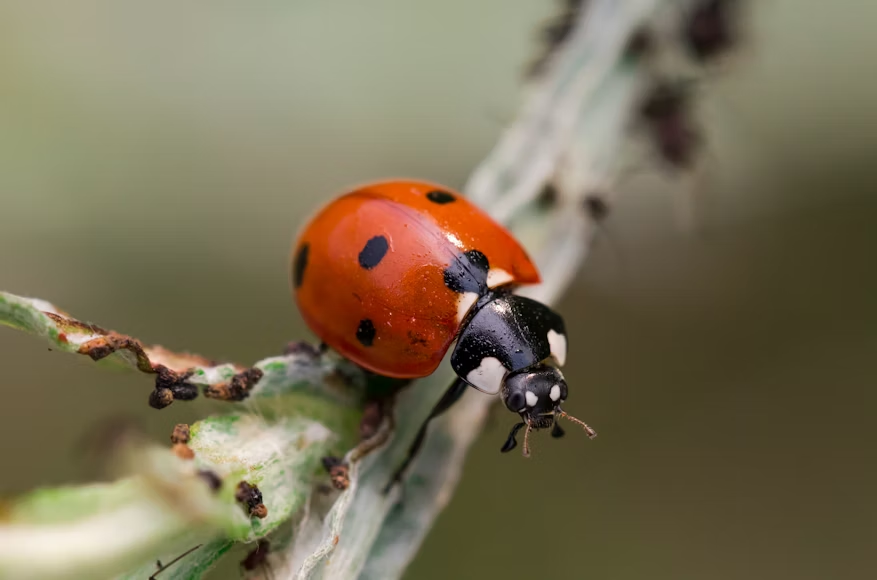
Beneficial insects provide the most sustainable pest control available, working continuously without cost or environmental impact once established in your garden.
Ladybugs and Their Larvae
Ladybugs and their larvae consume enormous numbers of aphids, mites, and other soft-bodied insects. A single ladybug can eat over 5,000 aphids during its lifetime, and their alligator-shaped larvae are even more voracious. Many gardeners purchase ladybugs for release, though results are often disappointing because released beetles frequently fly away. Creating habitat that attracts and retains native ladybug populations provides better long-term results.
Lacewings and Aphid Lions
Lacewings are delicate green or brown insects whose larvae are sometimes called aphid lions for good reason. Lacewing larvae attack aphids, mites, thrips, whiteflies, and small caterpillars with ferocious appetite. Adults feed on nectar and pollen, so flowering plants are essential for sustaining reproductive populations.
Ground Beetles: Nighttime Predators
Ground beetles are nocturnal predators that hunt slugs, cutworms, and other soil-dwelling pests. These shiny black or brown beetles hide under mulch, stones, and garden debris during the day. Maintaining permanent mulched pathways and leaving some leaf litter provides ground beetle habitat throughout your garden.
Parasitic Wasps
Parasitic wasps are tiny, non-stinging insects that lay eggs inside or on pest insects. The developing wasp larvae consume their hosts from within, killing them. Different wasp species target aphids, caterpillars, beetle larvae, and other pests. Parasitized aphids appear as tan or bronze “mummies” that remain attached to leaves, indicating successful biological control.
Hover Flies
Hover flies look like small bees but don’t sting. Their larvae prey heavily on aphids while adults pollinate flowers and feed on nectar. The distinctive hovering flight that gives them their name makes identification easy once you know to look for them.
Which Organic Sprays Actually Control Garden Pests?
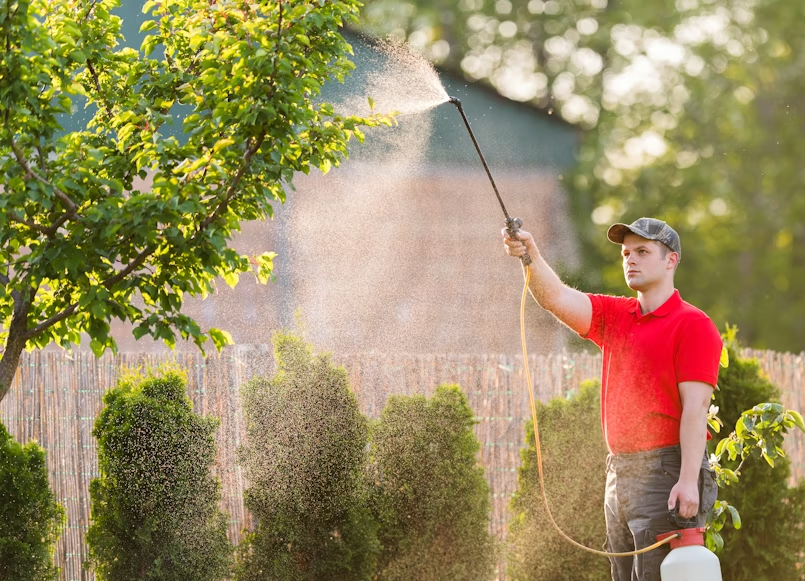
When prevention fails and pest populations exceed tolerable levels, several organic treatments provide effective control without the ecological disruption of synthetic pesticides.
Neem Oil: The Versatile Option
Neem oil is among the most versatile organic pest treatments available. Derived from the neem tree, it works as a repellent, feeding deterrent, and growth disruptor for a wide range of insects including aphids, whiteflies, mites, and many beetles. Neem breaks down quickly in sunlight and has low toxicity to beneficial insects when applied in early morning or evening. It also has fungicidal properties that help control powdery mildew and other leaf diseases.
Insecticidal Soap for Soft-Bodied Pests
Insecticidal soap kills soft-bodied insects on contact by disrupting their cell membranes. It’s effective against aphids, whiteflies, mites, and young caterpillars but must contact the pest directly to work. Soap sprays have no residual activity, meaning they pose minimal risk to beneficial insects that arrive after application. Commercial formulations are calibrated to minimize plant damage, while homemade soap sprays can burn sensitive foliage if too concentrated.
Bacillus Thuringiensis (Bt) for Caterpillars
Bacillus thuringiensis, commonly called Bt, is a naturally occurring soil bacterium that kills caterpillars when ingested. Different Bt strains target different pest groups. Bt kurstaki controls cabbage worms, tomato hornworms, and other moth and butterfly larvae. Bt israelensis targets mosquito and fungus gnat larvae. Because Bt must be eaten to work, it poses no risk to beneficial insects that don’t feed on treated foliage.
When to Let the Garden Handle Itself and When to Call the Pros
The natural methods in this guide handle the majority of garden pest pressure on their own. Soil health, diverse planting, beneficial insect habitat, and the occasional targeted application of neem oil, insecticidal soap, or Bt will keep most Virginia and Maryland vegetable gardens productive without chemical intervention.
The moment pest problems cross from the vegetable beds into ornamental plantings, the lawn, or the structure itself, the scale has outgrown organic methods. Connor’s Pest Pros delivers integrated pest management that respects the biological controls you have already built, adds exclusion work and professional-grade treatments where needed, and backs every visit with a 100% satisfaction guarantee. Request your free estimate today and keep the garden thriving alongside the rest of your property.
Contact us today for your free quote!
Frequently Asked Questions (FAQs)
Do natural pest control methods really work as well as chemicals?
Natural methods work differently than chemical approaches rather than simply being weaker versions. Chemical pesticides kill pests present at application, but often eliminate beneficial insects too, leading to pest resurgence and secondary outbreaks. Natural methods build ecological systems that provide ongoing pest suppression without repeated intervention.
How do I attract beneficial insects to my garden?
Beneficial insects need food sources and habitat throughout the season. Plant diverse flowers that bloom from early spring through fall, emphasizing small-flowered species like alyssum, yarrow, and umbel-flowered herbs that tiny beneficial wasps can access. Allow some vegetables and herbs to flower rather than removing all bolting plants. Maintain permanent mulched areas and leave some leaf litter where ground beetles can shelter. Most importantly, avoid broad-spectrum pesticides that kill beneficial insects along with pests.
Will companion planting alone control garden pests?
Companion planting contributes to pest management but rarely provides complete control by itself. The diversity created by interplanting reduces pest pressure and supports beneficial insects, but determined pest populations can still cause significant damage.
How often should I apply organic pest sprays?
Apply organic sprays only when pest populations exceed your damage tolerance, not on a preventive schedule. Most organic products break down quickly and don’t provide lasting residual control, so preventive applications waste product while potentially harming beneficial insects unnecessarily. Scout your garden at least twice weekly during growing season to catch problems early. When treatment is needed, spot applications to affected plants are more effective and less disruptive than blanket spraying entire gardens.
When should I call Connor’s Pest Pros instead of handling garden pests myself?
Professional intervention becomes the stronger choice when pests spread beyond your vegetable garden to ornamental beds, lawn areas, or structures, when the same infestation returns year after year despite consistent DIY efforts, or when the scale of damage is moving faster than natural predator populations can respond. Connor’s Pest Pros brings inspection depth, professional-grade treatment options, and integrated solutions that address root causes rather than surface symptoms.