
Key Takeaways
- Rodents in the garden are rarely solved by a single trick because voles, mice, rats, and chipmunks each feed, tunnel, and shelter differently, and a method that stops one species often leaves another untouched.
- Most homeowners lean on peppermint oil, ultrasonic spikes, or a single trap and see the population rebound within weeks, since repellents fade and isolated trapping never keeps pace with breeding.
- Quarter-inch or half-inch hardware cloth beneath raised beds, around trunks, and over bulbs is the only barrier that works indefinitely, and Connor’s Pest Pros handles the moment populations move from garden to structure.
- Pair the cloth with snap traps set perpendicular to runways baited with peanut butter, a three-foot cleared buffer around beds, and mulch kept under two inches to cut food, cover, and shelter at the same time.
Understanding Garden Rodent Behavior
The fastest way to keep rodents out of a garden is to combine three methods: hardware cloth exclusion beneath raised beds and around trunks, habitat modification that strips away cover and food, and snap traps placed directly on active runways. Which mix you lean on depends on the species causing damage, how dense the population is, and whether the rodents are still garden-bound or have already moved toward the house.
If you are gardening in Northern Virginia, Maryland, or the D.C. metro, the methods in this guide work across the species you are most likely to face, and Connor’s Pest Pros is the same-day backup when the problem outgrows DIY.
|
Connor’s Pest Pros: Family-Owned Pest Control Experts Choose Your Pest Protection Solution:
Customer Praise:
★★★★★ “Quick to answer my call and available same-day… I recommend them to anyone looking for pest control in NOVA.” – Jacquelyn L.
Why Choose Connor’s Pest Pros:
|
Habitat Modification: The Foundation of Rodent Control
Rodents need food, water, and cover to thrive. Eliminating these resources from your garden environment reduces rodent populations far more effectively than any repellent or trap alone.
Removing Cover and Hiding Spots
Eliminating protected pathways that rodents use to reach your garden is essential. Tall grass, dense groundcover, brush piles, and accumulated debris all provide rodent habitat. Keep a cleared buffer of at least three feet around garden beds where rodents feel exposed to predators, mow regularly, and remove any unnecessary materials that offer shelter.
Managing Mulch Properly
Proper mulch management balances plant benefits against rodent habitat creation. Deep mulch layers, particularly loose straw or hay, provide perfect vole habitat and runway material. Keep mulch depth to two inches or less, pull mulch several inches away from tree trunks and plant stems, and avoid mulching directly against raised bed frames where rodents shelter. Consider gravel or stone mulch near vulnerable plants since rodents find these materials less hospitable than organic mulch.
Eliminating Food Sources
Removing food sources takes away rodent incentives. Harvest produce promptly rather than leaving ripe vegetables and fruits in the garden. Clean up fallen fruit from trees immediately. Secure compost bins with tight-fitting lids and hardware cloth bottoms to prevent rodent access. Remove bird feeders or switch to feeders that minimize seed spillage, since spilled seed attracts rodents from surrounding areas. Store harvested produce, seeds, and animal feed in rodent-proof containers.
Addressing Water and Shelter
Addressing water sources helps in dry climates where water availability limits rodent populations. Fix dripping faucets and irrigation leaks. Eliminate standing water in saucers, containers, and low spots.
How Do You Build Barriers That Keep Rodents Out?
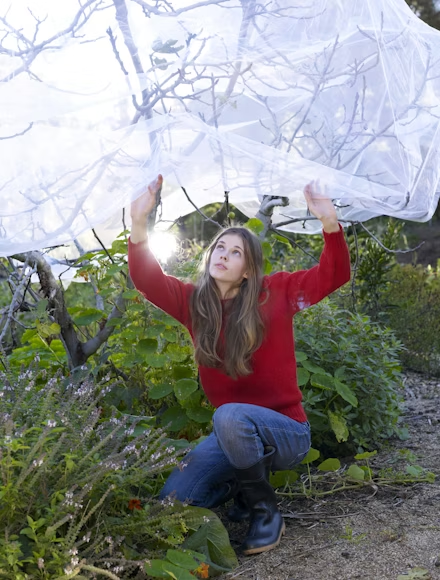
Unlike repellents that require constant reapplication or traps that require ongoing monitoring, properly installed barriers prevent access indefinitely.
Hardware Cloth Installation
Hardware cloth with half-inch or quarter-inch mesh excludes all common garden rodents. Install hardware cloth beneath raised beds before filling with soil to prevent burrowing entry. Line the bottom and lower sides of beds, extending mesh several inches above the soil level. This prevents voles and mice from tunneling into beds from below or chewing through wooden sides.
Protecting Individual Plants
Protecting individual plants works well for high-value crops or small plantings. Create cylinders of hardware cloth around fruit tree trunks, extending from several inches below soil level to at least 18 inches above ground to prevent vole and rabbit bark gnawing. Protect bulb plantings by placing bulbs in wire mesh baskets before planting or laying hardware cloth over planted areas.
Underground Perimeter Barriers
Underground barriers prevent burrowing rodents from entering garden areas entirely. Install hardware cloth vertically around garden perimeters, burying it at least 12 inches deep and bending the bottom outward in an L-shape to prevent rodents from digging beneath. This approach requires significant initial effort but provides lasting exclusion for enclosed garden spaces.
Raised Bed Construction
Raised bed construction affects rodent vulnerability. Beds with solid bottoms, hardware cloth liners, or those elevated on legs are far more rodent-resistant than simple frames resting on soil. When building new beds, incorporate rodent exclusion from the start rather than retrofitting later.
Do Natural Deterrents and Repellents Actually Work?
Natural deterrents appeal to gardeners seeking chemical-free solutions; deterrents work best as part of integrated management combining multiple approaches.
Predator Presence
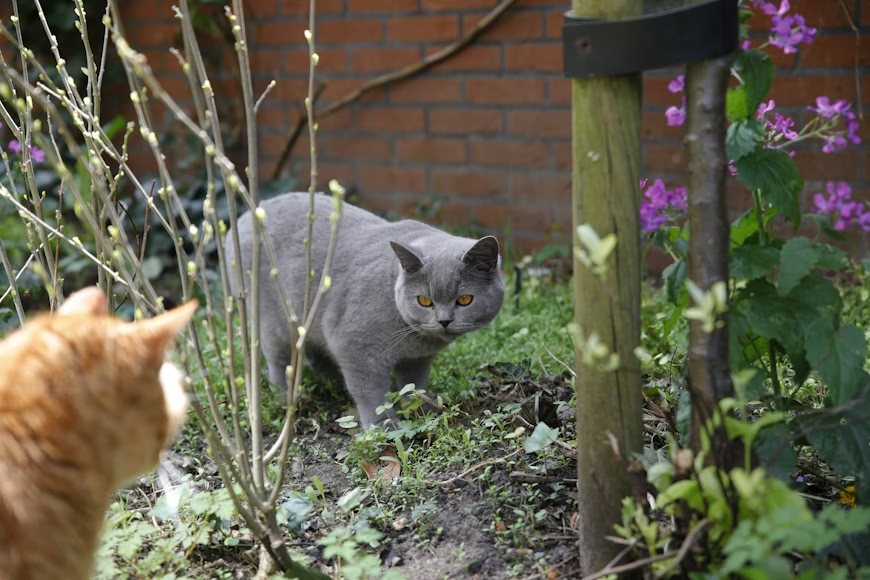
Predator presence provides the most effective natural rodent control. Cats actively hunting in garden areas dramatically reduce mouse and vole populations. Barn owls consume thousands of rodents annually and readily use nest boxes in rural and suburban settings. Hawks, snakes, and foxes all prey on garden rodents. Creating a habitat that attracts and supports predators provides ongoing rodent suppression without any ongoing effort.
Predator Scent Products
Predator scent products create the impression that predators are present. Fox urine, coyote urine, and similar products applied around garden perimeters may discourage rodent activity temporarily.
Effectiveness varies considerably based on local rodent experience with actual predators. Urban rodents familiar with predator presence may be less deterred than rural populations. Reapply after rain and refresh regularly as scents dissipate.
Peppermint Oil
Peppermint oil is the most commonly recommended natural rodent repellent. The strong menthol scent is thought to overwhelm rodent olfactory senses and make treated areas uncomfortable.
Soak cotton balls in peppermint oil and place them around garden perimeters, in raised bed corners, and near known rodent pathways. Replace every few weeks as the scent fades. Commercial peppermint-based repellent products are also available.
Trapping: The Most Effective Direct Control
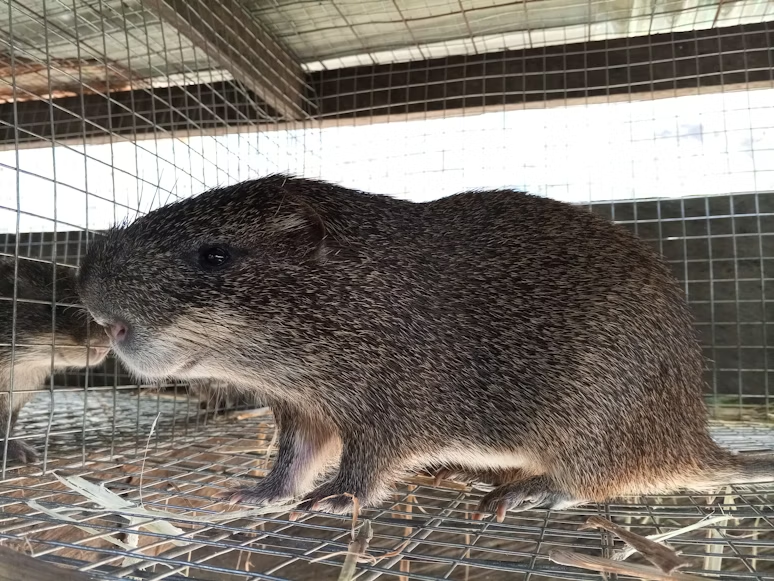
Trapping removes individual rodents from the population, provides confirmation of catch success, and avoids the risks associated with rodenticides.
Snap Traps
Snap traps remain the gold standard for rodent control due to their effectiveness, low cost, and quick kill. Modern snap traps kill rodents instantly when properly set and positioned. For mice, use standard mouse snap traps. For rats, use larger rat-sized traps. For voles, mouse traps work well.
Position traps perpendicular to walls, runways, and garden edges with the trigger end facing the travel path. A professional rodent inspection can pinpoint runways you may have missed when damage continues after several weeks of trapping.
Bait Selection
Bait selection affects trap success significantly. Peanut butter is the most effective universal bait, providing strong scent attraction while adhering to trap triggers without being easily stolen. For voles, apple slices or peanut butter work well. Some trappers add a small amount of oatmeal or birdseed to peanut butter for enhanced attraction. Change bait every few days if traps aren’t catching since stale bait loses effectiveness.
Trap Placement
Trap placement matters more than trap quantity. Identify rodent runways, burrow entrances, and high-activity areas through droppings, gnaw marks, and worn pathways. Place traps directly in these travel routes where rodents will encounter them during normal movement. Multiple traps placed strategically outperform many traps scattered randomly.
The Fastest Way to Take Your Garden Back from Rodents
Hardware cloth, habitat modification, and snap traps work together because each one closes a gap the others leave open: barriers block access, habitat cuts shelter and food, and traps reduce the animals already inside the fence line. Skip any one of the three and the population finds the opening within a season.
When rodents move from beds and bulbs into a shed, crawlspace, or wall void, the DIY toolkit runs out. Connor’s Pest Pros handles rodent control across Northern Virginia, Maryland, and the D.C. metro with same-day service and a 100% satisfaction guarantee.
Request your free estimate today
Frequently Asked Questions (FAQs)
What is the most effective way to keep rodents out of my garden?
Physical exclusion with hardware cloth provides the most reliable protection. Install quarter-inch or half-inch mesh beneath raised beds, around tree trunks, and over bulb plantings to prevent rodent access entirely.
Do natural rodent repellents actually work?
Natural repellents, including peppermint oil, predator urine, and strong-scented plants can reduce rodent activity but rarely eliminate established populations. Hungry or determined rodents often push through repellent barriers to reach food sources. Natural deterrents work best as supplements to physical exclusion and habitat modification rather than standalone solutions.
How do I know which type of rodent is damaging my garden?
Identification clues include damage patterns, droppings, and signs of activity. Voles create surface runways through grass and mulch and gnaw bark at ground level. Mice leave small droppings (about the size of rice grains) and prefer seeds and grains. Rats leave larger droppings and cause more substantial feeding damage. Chipmunks dig obvious burrow entrances and cache seeds and bulbs. Examine damage location, dropping size, and runway or burrow patterns to identify your specific pest and choose appropriate control methods.
How do I protect my fruit trees from rodent damage?
Install hardware cloth trunk guards extending from below soil level to at least 18 inches above ground, or higher than expected snow depth in cold climates. Clear mulch, grass, and vegetation from a two-foot radius around trunk bases. Harvest fallen fruit promptly to eliminate food attractants. For severe vole pressure, consider gravel or stone mulch around trees instead of organic materials. Inspect guards periodically to ensure rodents haven’t chewed through or burrowed beneath protection.
When should I call a professional for garden rodents?
Consider professional help when rodents spread from gardens into homes or outbuildings, when intensive DIY efforts do not reduce populations after several weeks, when you are dealing with species like gophers or groundhogs that require specialized control, or when health concerns from large rat populations warrant professional handling. Connor’s Pest Pros provides comprehensive rodent management that connects garden problems to broader property issues, with same-day service and our 100% satisfaction guarantee.