
Key Takeaways
- Most lawn spiders, including grass spiders, are harmless and actually help control insect populations, but their heavy webbing can make yards look unkempt and uninviting.
- Routine mowing, removing brush piles, and trimming shrubs eliminate the hiding spots and prey that draw spiders into your grass in the first place.
- Natural repellents like peppermint oil, vinegar sprays, and diatomaceous earth offer chemical-free spider control that is safe around children, pets, and pollinators.
- Heavy infestations and venomous species, such as brown recluse or black widow spiders, require professional treatment rather than DIY methods.
- Connor’s Pest Pros delivers same-day spider control across the D.C. metro area with pet-friendly treatments and a 100% satisfaction guarantee on every visit.
How to Clear Spiders From Your Lawn for Good
Getting rid of lawn spiders comes down to identifying the species, removing the conditions that attract them, and treating active populations with the right method. Grass spiders, wolf spiders, and other common lawn dwellers are mostly harmless, but venomous species like brown recluse and black widow require professional handling.
Effective treatments fall into two camps: natural remedies and professional pest control. Lawn maintenance, essential oil sprays, vinegar solutions, diatomaceous earth, repellent plants, and adjusted outdoor lighting handle most light infestations safely and affordably. Heavy or recurring spider activity, on the other hand, responds best to perimeter treatments and seasonal plans from a licensed exterminator who can address both the spiders and the insects feeding them.
|
Connor’s Pest Pros: Family-Owned Pest Control Experts Choose Your Pest Protection Solution:
Customer Praise:
★★★★★ “Quick to answer my call and available same-day… I recommend them to anyone looking for pest control in NOVA.” – Jacquelyn L.
Why Choose Connor’s Pest Pros:
|
Identify the Spiders Living in Your Lawn
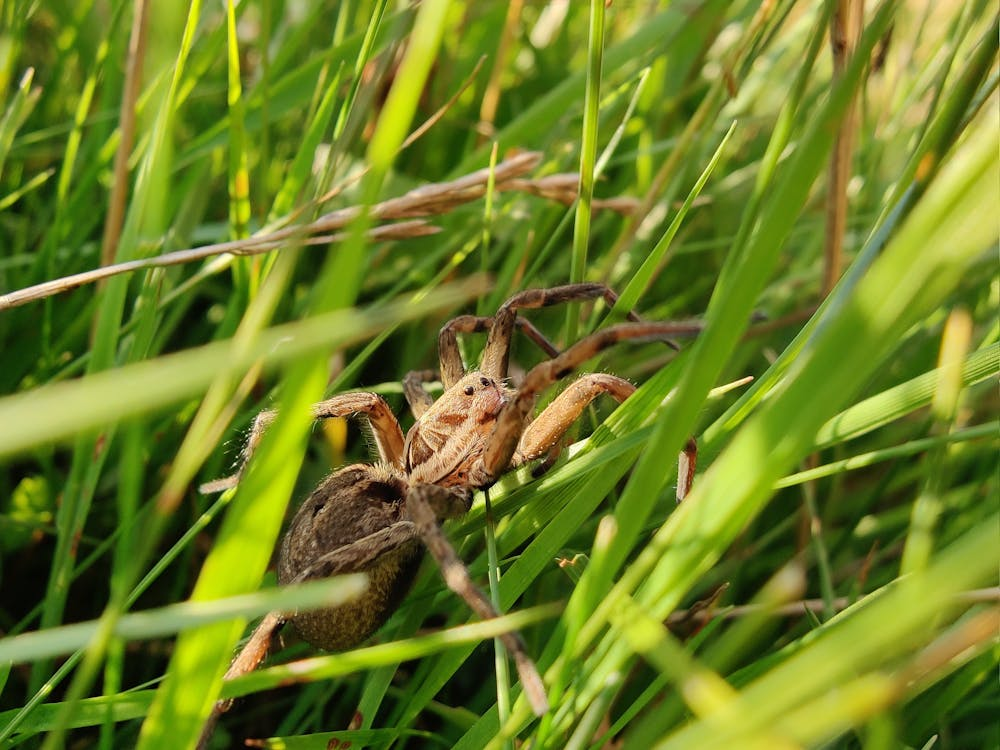
Grass spiders are common lawn dwellers with yellowish-brown bodies, dark stripes, and funnel-shaped webs woven close to the ground.
Before treating, figure out what you’re dealing with. Grass spiders are the most common lawn dwellers, recognizable by their yellowish-brown bodies, two dark stripes, and the funnel-shaped webs they weave close to the ground. They look similar to wolf spiders but stay tucked inside their webs rather than roaming.
Most lawn spiders are not dangerous to humans. Their bites cause mild itching at worst, and their fangs rarely pierce thick skin. The exceptions are venomous species like brown recluse and black widow spiders, which occasionally take cover in woodpiles, gravel, or rock features. If you spot either, skip the DIY route and call a licensed exterminator immediately.
Natural Methods to Get Rid of Spiders in Your Lawn
Natural treatments are the right starting point for most yards. They are inexpensive, safe around kids and pets, and work well when paired with good lawn maintenance.
Tighten Up Lawn Maintenance
The single most effective change you can make is removing the habitat spiders love. Mow the lawn weekly during the growing season, trim hedges and shrubs back from the foundation, and clear out brush piles, leaf litter, and stacked firewood.
These moves eliminate both the shelter spiders’ use and the insects they feed on. Storing pet food indoors and cleaning up food spills also matters, since crumbs draw the bugs that attract spiders in the first place.

Mowing weekly, trimming hedges, and clearing brush piles removes the shelter spiders love and the insects they feed on.
Use Essential Oil Sprays
Strong scents disrupt spiders’ chemical receptors, pushing them out of treated areas. Mix 5 to 10 drops of peppermint, tea tree, or eucalyptus oil with 16 ounces of water in a spray bottle and apply along lawn edges, foundation lines, and known web sites once a week. Chestnut extract has been shown to work and perform similarly to peppermint oil in controlled testing, though citrus oils are not a reliable substitute.
Try a Vinegar Solution
A 50/50 mix of white vinegar and water sprayed on weeds and web zones repels spiders without harming most lawn grasses, though you should avoid spraying directly on flowering plants, as vinegar can damage foliage.
Apply Diatomaceous Earth
Food-grade diatomaceous earth is a fine powder made from fossilized aquatic organisms. Its microscopic edges scratch the exoskeletons of spiders and the insects they hunt, causing them to dehydrate. Sprinkle it lightly along foundation lines, garden borders, and entry points. Reapply after rain because moisture neutralizes it.
Plant Spider-Repellent Vegetation
Mint, eucalyptus, citronella, and chrysanthemums all give off scents that spiders avoid. Chrysanthemums in particular contain pyrethrum, the natural compound used in many commercial insect sprays. Planting these around the perimeter of your yard creates a fragrant barrier that reduces both spiders and the insects that attract them.
Manage Outdoor Lighting
Bright porch and yard lights attract moths, mosquitoes, and other flying insects, which in turn attract spiders. Switch to yellow bug bulbs, motion-activated fixtures, or position lights away from the house so insects gather there rather than along your foundation.
When DIY Isn’t Enough: Professional Treatment Options
Natural methods handle light spider activity well, but heavy infestations, recurring webs, or sightings of venomous species call for professional help. Pros use perimeter sprays with longer residual action than store-bought products, mechanically remove webs and egg sacs with tools called “websters,” and treat the cracks and harborage areas DIY sprays often miss.
A professional treatment also addresses the broader pest picture. Spiders settle in because their food source is nearby, so a technician treating for ants, mosquitoes, and flying insects at the same time tends to deliver longer-lasting results than spider-specific sprays alone. Recurring service plans build on that by adjusting treatments seasonally to keep populations down year-round.
Get Lasting Spider Control With Connor’s Pest Pros
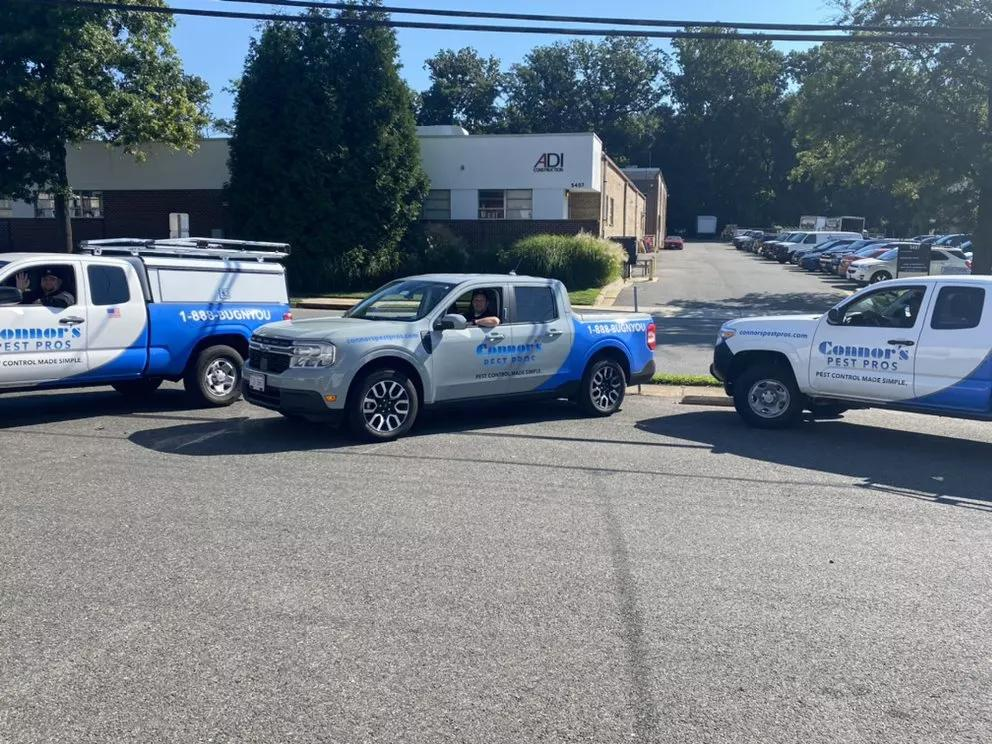
Connor’s Pest Pros offers pet- and child-friendly spider treatments, same-day service, and free re-treatments across the D.C. metro area.
A spider-free lawn rarely comes from one fix alone. The yards that stay clear long-term combine consistent maintenance with treatments that target the spiders already settled in and the insects feeding them. That’s the approach our team at Connor’s Pest Pros has built our business around for homeowners across the D.C. metro area.
We’re a family-owned company that handles every job with pet- and child-friendly products, same-day service, and free re-treatments until you’re completely satisfied. We know how to read a property, identify the spider species in play, and apply the right treatment the first time. From a one-time visit for a sudden infestation to a seasonal plan that keeps your yard protected year-round, we are up to the task.
Schedule Your Same-Day Spider Treatment With Connor’s Pest Pros Today →
Frequently Asked Questions (FAQs)
Are the spiders in my lawn dangerous?
Most lawn spiders, including grass spiders and common wolf spiders, are not dangerous to humans or pets. Their bites may cause mild itching but rarely require medical attention. Venomous species like brown recluse and black widow spiders are the exception and should be handled by a professional exterminator.
How long does it take to get rid of spiders in a lawn?
Natural methods such as mowing, repellent sprays, and diatomaceous earth usually show results within 1 to 4 weeks, depending on the severity of the infestation. Professional perimeter treatments often deliver a visible reduction within 24 to 48 hours, with continued improvement over the following week as residual products continue to work.
Do spider sprays from the hardware store actually work outdoors?
Over-the-counter sprays can knock down individual spiders on contact but rarely solve a yard-wide problem. Spiders hold their bodies above treated surfaces, which limits product absorption. Outdoor sprays also break down quickly in sunlight and rain, so they require more frequent reapplication than professional-grade residual treatments.
Will treating my lawn for spiders hurt my pets or beneficial insects?
It depends on the products used. Diatomaceous earth, essential oils, and vinegar sprays are generally safe around pets and pollinators when applied properly. Broad-spectrum chemical pesticides can harm bees and other beneficial insects, which is why we recommend targeted, pet-friendly applications.
What makes Connor’s Pest Pros different from other spider control companies?
We’re a family-owned business with 900+ five-star reviews, NPMA membership, and the 2024 Angi Super Service Award. At Connor’s Pest Pros, we offer same-day service across the D.C. metro area, pet- and child-friendly treatments, and free re-treatments until you’re 100% satisfied with the results.
*Price estimates reflect current market costs and may vary based on your specific situation. For a personalized quote tailored to your needs, contact us directly or request your FREE estimate today!