

Key Takeaways
- Sedgefield’s warm, humid climate keeps termite colonies active year-round, making annual inspections and early treatment a priority for homeowners.
- The four key warning signs are mud tubes along foundations, swarmer wings near entry points, hollow-sounding wood, and fecal pellets called frass.
- Treatment options include liquid soil barriers lasting five to ten years, bait stations that eliminate whole colonies, and fumigation for severe cases.
- The Total Protection plan from Connor’s Pest Pros starts at $95 per month and bundles termite, pest, and mosquito control into one program with free re-service visits included.
- Connor’s Pest Pros serves Sedgefield homeowners with same-day inspections, honest pricing, and a satisfaction guarantee that covers free return visits if termites persist.
How Sedgefield Homeowners Can Stay Ahead of Termite Damage
Subterranean termites are the dominant species in the Greensboro area, and a single mature colony can number in the hundreds of thousands, feeding around the clock without any visible surface evidence. Sedgefield’s older housing stock and consistently humid conditions make the neighborhood especially vulnerable.
Knowing what to look for is the first step. Mud tubes along your foundation, hollow-sounding wood, discarded wings, and tiny fecal pellets called frass all point to an active or nearby colony. Treatment methods range from liquid soil barriers to bait systems and full fumigation, depending on the severity. Connor’s Pest Pros offers a Total Protection plan that rolls termite, general pest, and mosquito coverage into one program with free re-service visits included.
Connor’s Pest Pros: Family-Owned Pest Control for Greensboro & the Piedmont Triad
4.9★ Google Rating | 100% Satisfaction Guarantee

Get Pests Out of Your Greensboro Home or Facility:
Connor’s treats rodents, termites, ants, mosquitoes, and common pests like silverfish and ticks. Service starts with a free inspection. For mice and rats, Connor’s seals the gaps they use to get in and sets traps for the ones already inside. Termite protection uses bait stations. Choose one-time or recurring service, with eco-friendly treatments safe for pets and kids. Run a food distribution center, meat processing plant, or pharmaceutical facility? Get audit prep support and recurring service for your site.
What Sets Connor’s Apart:
✓ Audit prep support for food facilities
✓ 24/7 emergency service for rodents and bed bugs
✓ 950+ 5-star reviews on Google
✓ Member of the National Pest Management Association (NPMA)
✓ Free re-treatments backed by a 100% Satisfaction Guarantee
Book your free inspection and get a pest plan for your home or facility.
Request Your Free Estimate →4 Signs of Termite Activity to Watch Out For
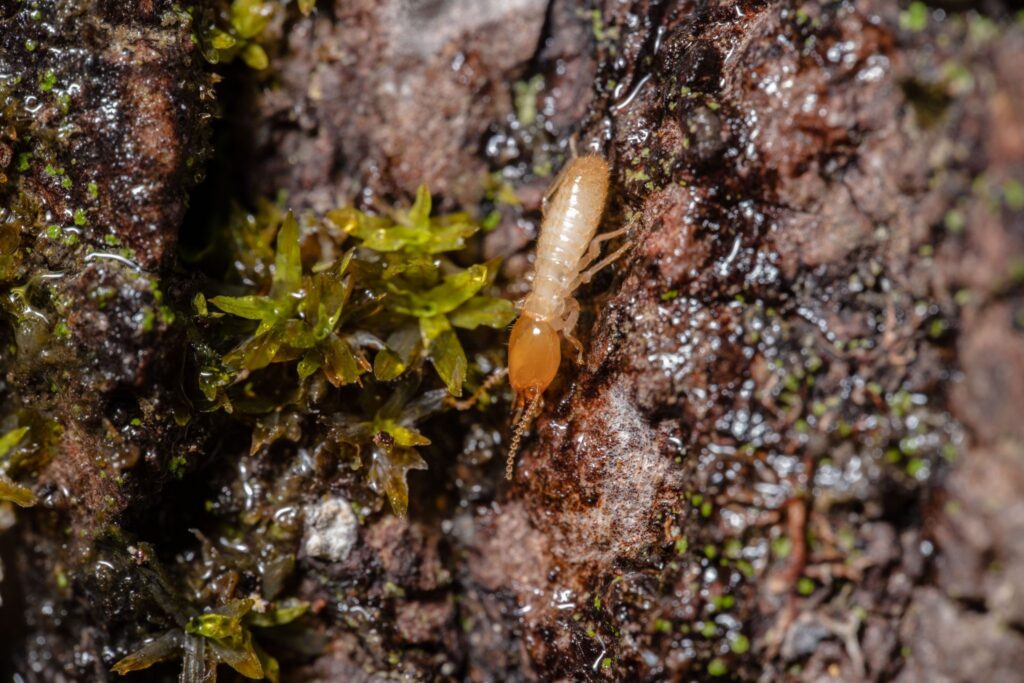
Termites earn their reputation as “silent destroyers” because they can compromise your home’s structure while remaining hidden inside walls and beneath floors.
Mud Tubes
Subterranean termites, the primary species threatening Sedgefield homes, build pencil-width mud tubes to travel between their underground colonies and the wood they feed on. These tubes typically appear on foundation walls, piers, floor joists, and any surface connecting soil to your home’s wooden structure.
Check your foundation regularly on both the interior and exterior, paying close attention to basement walls, crawl space supports, and areas where utilities enter the building. Any mud tubes you find call for immediate professional assessment.
Swarmer Activity
Mature termite colonies produce winged reproductives called swarmers that fly out to start new colonies. In the Greensboro area, swarms typically appear in spring after warm rain, though heated structures can see them year-round.
Finding swarmers indoors strongly suggests an established colony within or very near your home. Even if you missed the swarm itself, piles of small translucent wings near windows, doors, or light fixtures are a clear sign of termite activity.
Wood Damage
Termites consume wood from the inside out, leaving a thin outer shell that sounds hollow when tapped. Probe suspected areas with a screwdriver, and watch for sagging floors, doors or windows that stick, maze-like patterns in exposed wood, bubbling paint, or small holes in drywall. Any combination of these signs points to structural feeding that has already progressed.
Frass
Drywood termites, less common in Sedgefield but still present, push tiny oval fecal pellets called frass out of their galleries. These pellets collect in small piles directly below infested wood and signal a drywood infestation distinct from the more common subterranean species.
What Termite Treatment Options Are Available?
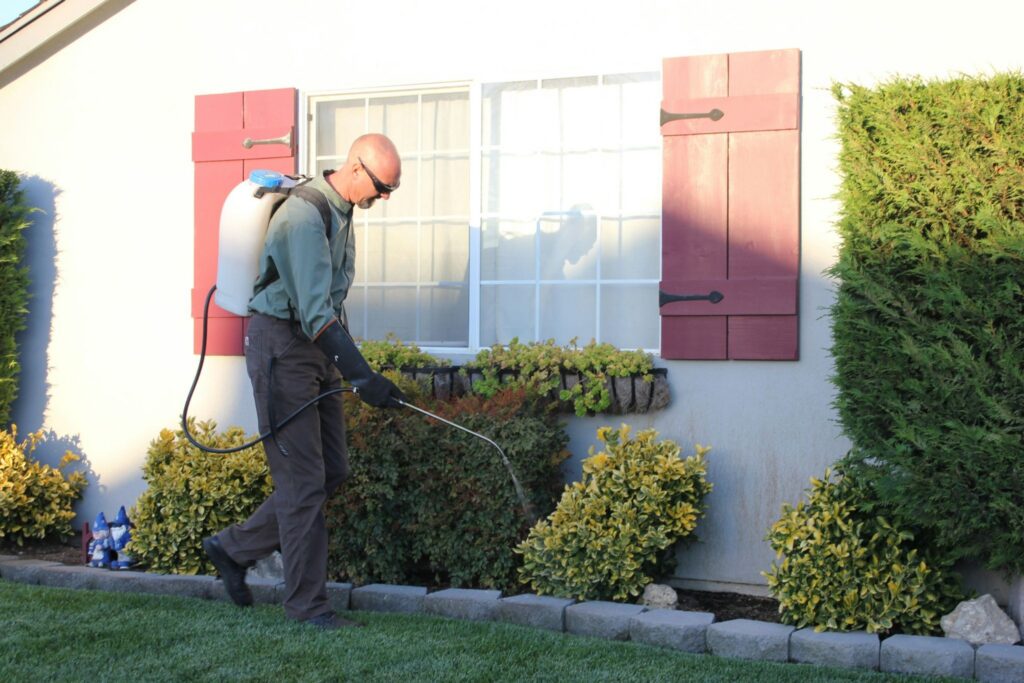
Different treatment methods offer distinct advantages depending on the goal: preventing infestation, eliminating active colonies, or protecting a home with previous termite history.
Liquid Barrier Treatment
The most common termite treatment involves applying a liquid chemical directly to the soil around your foundation. Technicians dig a shallow trench along the foundation walls and treat the soil, creating an invisible barrier that kills termites when they try to cross from the ground into your home.
Termites that touch the treated soil also carry the chemical back to their colony, which slowly wipes out the entire group. Most liquid treatments last five to ten years before reapplication is needed.
Bait Station Systems
Another approach uses small plastic stations placed in the ground at regular intervals around your home’s perimeter. When termites find a station, they eat the bait inside and bring it back to feed the rest of the colony, including the queen.
The bait contains an ingredient that stops termites from growing, so the colony gradually dies off. Stations need regular checkups and bait refills from a professional, but they are a good option for homes where digging and drilling for liquid treatment is not practical.
Combination Approaches
Some homes benefit from pairing both methods. A liquid barrier provides immediate protection at the foundation while bait stations intercept colonies approaching from beyond the treated perimeter.
This paired approach is a strong fit for properties with severe termite pressure or a history of previous infestation, since it addresses both current and future colony activity at once.
Fumigation
For severe drywood termite infestations, the entire home is sealed under a tent and filled with a gas that penetrates deep into the wood. This reaches colonies hidden inside walls and framing that liquid treatments cannot get to. All people and pets must leave the home during the process.
Fumigation kills the existing infestation but does not prevent new ones from returning. This method is uncommon in Sedgefield, where subterranean termites are the primary species.
Wood Treatment & Repair
When termites have already caused structural damage, the affected wood often needs to be treated or replaced after the colony is eliminated. Borate solutions applied to exposed wood create a long-lasting barrier that deters future feeding.
This step is most common during renovation or after a major infestation has been cleared, and it pairs well with liquid barriers or bait stations for stronger overall protection.
How Much Does Termite Treatment Cost in Sedgefield?
Termite treatment costs in Sedgefield vary based on home size, how far the colony has spread, and the treatment method a technician recommends. A colony caught early near the foundation is far cheaper to address than one that has already reached the framing, which is why annual inspections pay for themselves over time.
Connor’s Pest Pros has a Total Protection plan starting at $95 per month that bundles termite, pest, and mosquito control into a single program. That ongoing coverage can cost less over time than a one-time treatment, and it includes free re-service visits if termites return between scheduled appointments.
Get Professional Termite Treatment from Connor’s Pest Pros

Sedgefield’s older neighborhoods and North Carolina’s year-round termite pressure mean no home is automatically safe. The earlier you spot warning signs and act on them, the less damage and cost you will face. Annual professional inspections remain the single most reliable way to stay ahead of a colony before it reaches your framing.
At Connor’s Pest Pros, we protect Sedgefield homes with thorough inspections of crawl spaces, foundations, and wood framing, honest pricing matched to what your property actually needs, and a satisfaction guarantee that includes free return visits if termites persist. Schedule your free inspection today to find out exactly where your home stands.
Frequently Asked Questions (FAQs)
How quickly can termites damage my Sedgefield home?
Termite damage accumulates gradually but can become significant within months of colony establishment. A mature colony containing hundreds of thousands of termites can consume several pounds of wood annually.
More concerning, multiple colonies often attack the same structure simultaneously. Homes left unprotected for years may suffer structural damage requiring tens of thousands of dollars in repairs.
Does homeowner’s insurance cover termite damage?
Standard homeowner’s insurance policies in North Carolina almost never cover termite damage or treatment costs. Insurance companies consider termite damage preventable through regular inspection and maintenance. This makes professional protection particularly important since homeowners bear full financial responsibility for termite-related repairs.
How often should I have my home inspected for termites?
Annual professional inspections are recommended for all Sedgefield homes, even if you have active termite protection. Homes with previous infestations, those in heavily wooded areas, or properties with moisture issues may benefit from more frequent monitoring. Your pest control provider can recommend appropriate inspection frequency based on your specific risk factors.
Can I treat termites myself?
DIY termite treatments are largely ineffective against subterranean termites. Consumer products lack the residual effectiveness of professional-grade termiticides, and proper application requires specialized equipment and techniques. More importantly, improper treatment may kill visible termites while leaving colonies intact to continue damaging your home undetected.
What pest control services does Connor’s Pest Pros provide?
Connor’s Pest Pros provides residential and commercial pest control, termite treatment, bed bug treatment, mosquito control, and rodent control. We also handle pest-related repair work for structural damage caused by termites, rodents, and other pests. Every service comes with same-day availability and a 100% satisfaction guarantee.
*Price estimates reflect current market costs and may vary based on your specific situation. For a personalized quote tailored to your needs, contact us directly orrequest your FREE estimate today!