
Key Takeaways
- Spotted lanternflies cannot bite or sting humans because their piercing-sucking mouthparts are designed exclusively for extracting plant sap and physically cannot penetrate skin.
- Ingesting spotted lanternflies can cause nausea, vomiting, and abdominal pain, making it important to keep children and pets from consuming them during peak infestation periods.
- Honeydew secretions from feeding spotted lanternflies coat outdoor surfaces and trigger sooty mold growth while attracting wasps, yellow jackets, and bees that increase sting risk in your yard.
- Each lanternfly egg mass contains 30 to 50 eggs, making winter destruction, from October to March, one of the highest-impact control actions homeowners can take.
- Connor’s Pest Pros provides professional spotted lanternfly treatment for heavy infestations, using systemic insecticides and targeted applications that eliminate populations that DIY methods cannot control.
Spotted Lanternflies Pose No Direct Threat to Humans
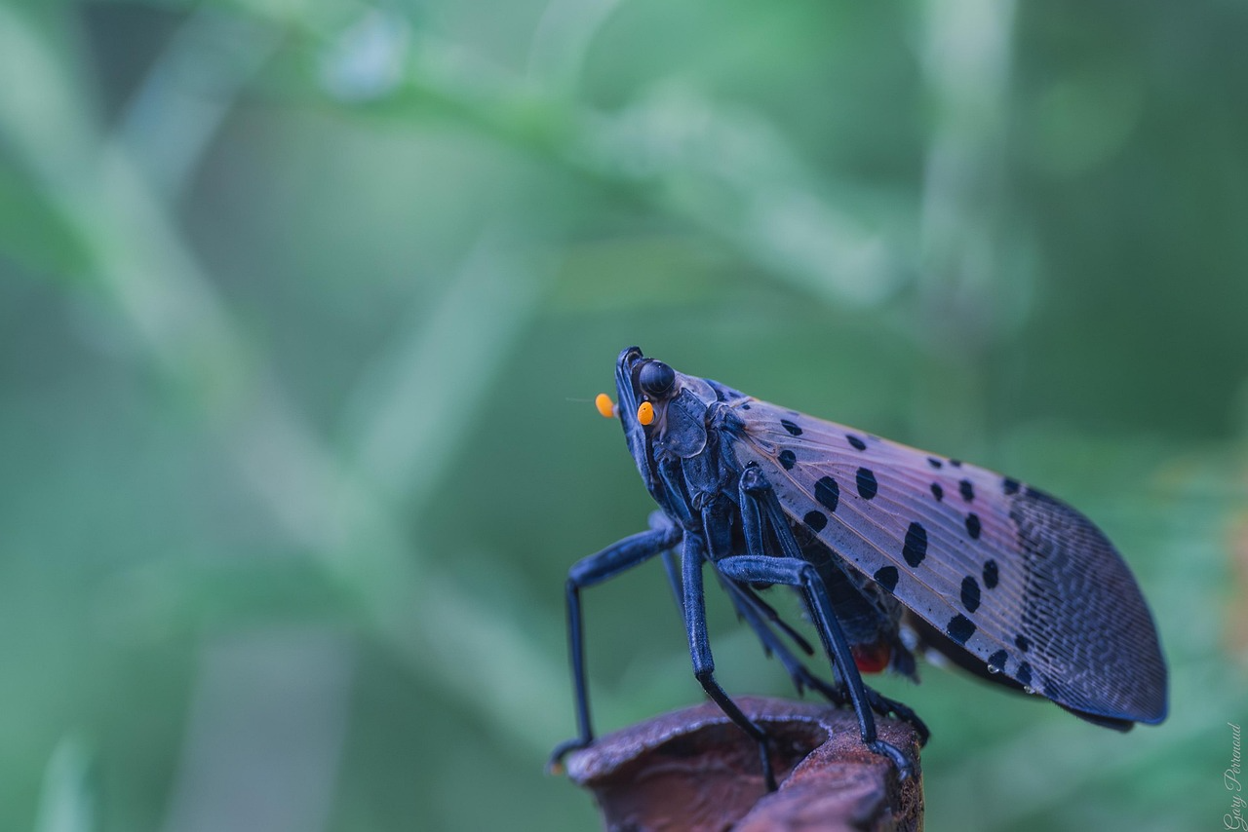
Spotted lanternflies cannot bite or sting you. Their mouthparts are a piercing-sucking structure designed exclusively for drawing sap from plant tissue and are physically incapable of penetrating human or animal skin.
The real danger from these invasive insects is indirect: honeydew secretions that attract stinging insects, sooty mold that damages property and plants, and the destruction of trees and gardens across the eastern United States.
This article covers what spotted lanternflies actually are, the indirect ways they affect human health and property, step-by-step control methods, and when professional treatment becomes necessary.
|
Connor’s Pest Pros: Family-Owned Pest Control Experts Choose Your Pest Protection Solution:
Customer Praise:
★★★★★ “Quick to answer my call and available same-day… I recommend them to anyone looking for pest control in NOVA.” – Jacquelyn L.
Why Choose Connor’s Pest Pros:
|
Spotted Lanternflies Feeding Behavior
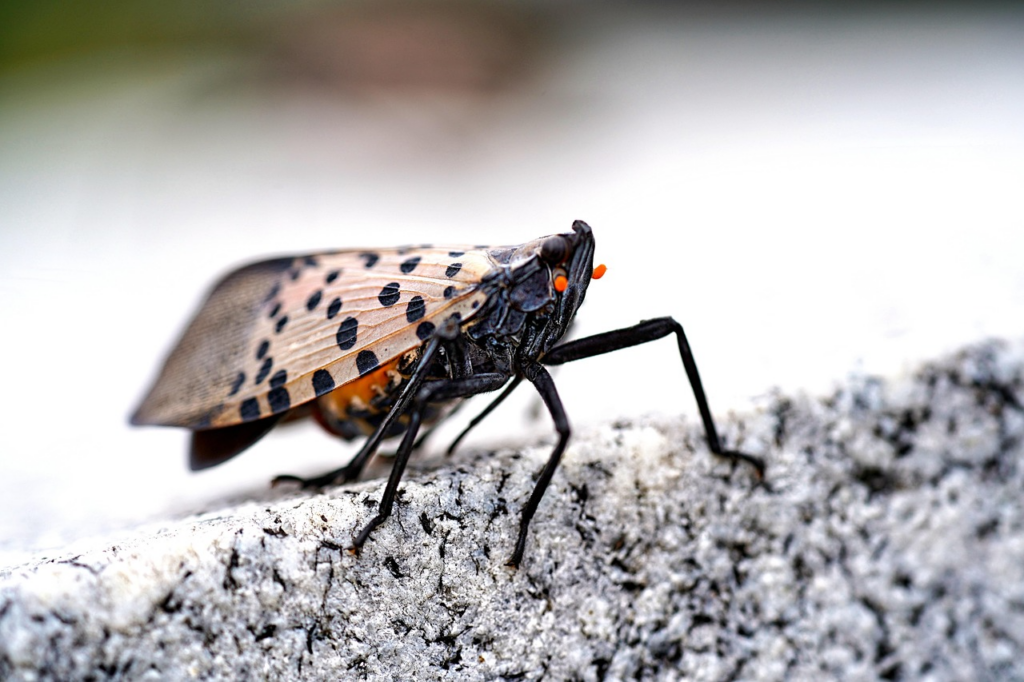
Spotted lanternfly feeding on a tree branch, inserting its needle-like mouthpart into plant tissue to extract sap, demonstrating the feeding behavior that weakens trees over time.
Spotted lanternflies are phloem feeders. They insert their needle-like mouthpart into the vascular tissue of a plant and extract the sugar-rich sap flowing through it. This weakens the plant over time, and when large populations feed on a single host, the damage can become severe enough to kill branches or the entire tree.
Their feeding behavior is seasonal and highly mobile. Nymphs in spring tend to start on smaller plants and vines, while adults in late summer migrate to woody plants with a strong preference for the invasive Tree of Heaven (Ailanthus altissima). However, they feed on over 70 plant species, making few properties completely safe from damage.
Why Their Mouthparts Cannot Harm Humans
A spotted lanternfly’s stylet (feeding mouthpart) is calibrated specifically to navigate plant cell walls and reach phloem tissue. Human skin is structurally incompatible with that process. Researchers and entomologists have confirmed that these mouthparts lack the mechanics to puncture skin. There is no recorded case of a spotted lanternfly biting a human.
If one lands on your arm, the worst you’ll experience is the feeling of it crawling on you. They do not pinch or sting, and they have no defensive mechanisms directed at humans.
The Indirect Dangers Spotted Lanternflies Create
Honeydew & Sooty Mold
As spotted lanternflies feed, they excrete large quantities of a sugary waste fluid called honeydew. This sticky liquid coats everything below the feeding site: leaves, branches, sidewalks, outdoor furniture, and vehicles. On its own, honeydew is not toxic to humans, but it sets off a damaging sequence.
The sugar in honeydew is a breeding ground for sooty mold, a black fungal growth that coats plant surfaces and blocks sunlight from reaching leaves. This compounds the feeding damage already done to the plant. On car paint, honeydew can etch the surface if left too long. On wooden decks and composite materials, it creates a slick, mold-attracting film that requires aggressive scrubbing.
Attraction of Stinging Insects
Honeydew actively attracts wasps, yellow jackets, and bees looking for a sugar source. A spotted lanternfly infestation can indirectly increase your risk of getting stung just by being in your own backyard. This secondary effect is often more immediately concerning to families than the plant damage itself.
Property & Outdoor Space Disruption
At peak populations in late summer, spotted lanternfly swarms can number in the hundreds on a single tree. Walking through an infested yard means insects jumping and flying at you constantly, not because they are aggressive, but because they startle easily and leap in all directions when disturbed.
For families with young children or outdoor events planned, this level of infestation makes a yard effectively off-limits without intervention.
Can Spotted Lanternflies Make You Sick?
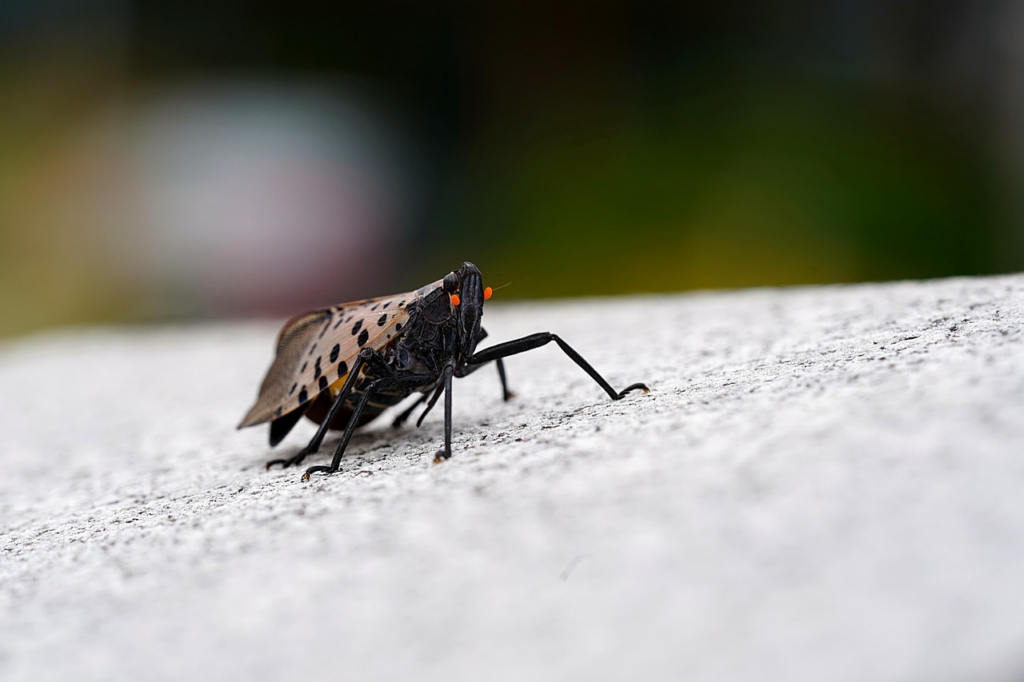
Spotted lanternflies are not venomous and pose no direct bite risk, but there are indirect health scenarios worth understanding, especially with children or curious pets around.
Ingestion Effects
Spotted lanternflies are not considered toxic, but eating one is not harmless. If accidentally ingested, potential side effects include nausea, vomiting, constipation, abdominal pain, and loss of appetite. These effects are likely tied to the insect’s tough exoskeleton, which is difficult to digest, rather than to any specific venom or poison.
There is also an important unknown. Spotted lanternflies feed on dozens of different plant species, and researchers have noted there is no reliable way to know which plants a given insect was feeding on before you encountered it.
If those plants contained natural toxins, those compounds could theoretically concentrate in the insect’s body. Until more research is completed, the guidance is simple: do not eat spotted lanternflies.
Allergic Reactions & Respiratory Sensitivity
Some individuals may experience allergic reactions to the mold that grows on surfaces coated in spotted lanternfly honeydew. Sooty mold spores can become airborne and trigger respiratory irritation, particularly in people who already deal with seasonal allergies or asthma. Skin contact with heavily molded surfaces may also cause sensitivity reactions in people prone to fungal allergies.
Effects on Dogs & Cats
Spotted lanternflies are not directly toxic to dogs or cats, but pets that eat them in large quantities may experience gastrointestinal upset: nausea, vomiting, and abdominal discomfort. The hard exoskeleton and wings make them difficult to digest.
Veterinary guidance recommends discouraging pets from eating them. Keep pets supervised in the yard during peak spotted lanternfly season in late summer and fall. If your dog consumes a large amount and shows signs of prolonged vomiting, lethargy, or loss of appetite, contact your veterinarian.
What To Do: Step-by-Step Control Methods
1. Eliminate Every Spotted Lanternfly You See
The simplest and most immediate action is physical elimination. Spotted lanternflies are slow and clumsy enough that stomping, swatting, or crushing them by hand is genuinely effective on a small scale. Many states with quarantine zones actively encourage residents to kill every spotted lanternfly they encounter on sight.
This strategy is low-tech but surprisingly meaningful when practiced consistently across a community. Unlike many pest species, spotted lanternflies do not hide or burrow. They feed in open view on plant surfaces, making them unusually accessible to manual control.
2. Destroy Egg Masses Between October & March
Egg mass removal is one of the highest-impact actions a homeowner can take. Each egg mass contains between 30 and 50 eggs, so destroying a single mass before hatching eliminates an entire generation of feeding nymphs. To do this, follow these simple steps:
- Check tree trunks, fence posts, stone walls, outdoor furniture legs, and the undersides of patio surfaces
- Use a stiff card or plastic scraper to scrape the egg mass off the surface
- Deposit the scraped material directly into a zip-lock bag filled with hand sanitizer or rubbing alcohol
- Seal the bag completely
- Dispose of the sealed bag in the trash
Simply scraping egg masses onto the ground is not sufficient. The eggs can survive and hatch even after being dislodged.
3. Inspect Vehicles & Gear Before Traveling
Spotted lanternflies spread so effectively because egg masses blend into surfaces that people constantly move over: car bumpers, wheel wells, truck beds, campers, and even bicycles. Before leaving any area with a known infestation, walk around your vehicle thoroughly and check underneath for egg masses. The same applies to camping gear, outdoor furniture being transported, and firewood.
4. Remove Tree of Heaven From Your Property
Tree of Heaven (Ailanthus altissima) is the spotted lanternfly’s preferred host plant. Having one on or near your property is essentially putting out a welcome sign. Removing or treating the Tree of Heaven significantly reduces the attractiveness of your yard to spotted lanternfly populations. This invasive tree is itself a problem species, so eliminating it provides a double benefit.
However, removal needs to be done carefully. Simply cutting down the Tree of Heaven often causes it to send up multiple aggressive root sprouts, worsening the problem. The most effective method is to cut and immediately apply a concentrated herbicide, such as triclopyr, to the freshly cut stump. For large trees, consulting a licensed arborist or pest management professional is the safest approach.
5. Call a Professional for Heavy Infestations

When populations are too large for manual control, professional pest management from Connor’s Pest Pros delivers results that homeowner methods cannot match.
Connor’s Pest Pros provides professional spotted lanternfly treatment for properties facing infestations beyond the reach of DIY methods. Our technicians assess infestation severity across your property, identify all affected trees and any Tree of Heaven specimens that may be attracting populations, and implement targeted treatment using commercial-grade products applied according to Virginia Tech guidelines.
Our treatment approach addresses both immediate population reduction and longer-term protection. We time applications to avoid bloom periods when pollinators are active, following specific precautions to protect beneficial insects.
Take Action With Connor’s Pest Pros Before Spotted Lanternflies Damage Your Property
Spotted lanternflies pose no direct threat to human health, but the indirect effects (honeydew attracting stinging insects, sooty mold damaging plants and property, swarms making outdoor spaces unusable) significantly disrupt daily life during peak season. The cascading damage to trees and gardens compounds over multiple seasons when infestations go unmanaged.
For properties with heavy infestations beyond the reach of DIY methods, Connor’s Pest Pros provides professional spotted lanternfly treatment with commercial-grade products and targeted application methods. Contact us today for an assessment of your property, or call before noon for same-day service availability. We serve Northern Virginia and the DC metro area with comprehensive pest control backed by our 100% satisfaction guarantee.
Contact us today for your free quote!
Frequently Asked Questions (FAQs)
Do spotted lanternflies bite humans?
No. Spotted lanternflies cannot bite humans. Their mouthparts are a piercing-sucking stylet designed specifically for drawing sap from plant tissue and are physically incapable of penetrating human skin. There is no documented case of a spotted lanternfly biting a person.
Are spotted lanternflies poisonous to humans?
Spotted lanternflies are not toxic or poisonous. They do not produce venom and have not been found to carry cantharidin, a blistering compound found in some other insects. However, ingesting one can cause nausea, vomiting, and abdominal pain, so consumption should be avoided.
Can spotted lanternflies hurt dogs or cats?
Spotted lanternflies are not directly toxic to pets, but dogs or cats that eat them in large quantities may experience gastrointestinal upset, including vomiting and abdominal discomfort. Keep pets supervised during peak season and contact your veterinarian if your pet consumes a large amount and shows prolonged symptoms.
Are spotted lanternflies dangerous to trees and gardens?
Yes. By feeding on the phloem of over 70 plant species, spotted lanternflies systematically drain the energy reserves of host plants. Weakened trees become more susceptible to disease, secondary pest infestations, and winter damage. Grapevines, apple trees, and maples are among the most heavily damaged hosts in residential landscapes.
Should I call an exterminator for spotted lanternflies?
If you see spotted lanternflies in large numbers (dozens on a single tree, swarms across your yard, or consistent reinfestation despite manual removal), professional treatment is worth considering. Connor’s Pest Pros has access to systemic insecticides and treatment methods not available to the general public and can time treatments to target the most vulnerable life stages.