
Key Takeaways
- Bite patterns are the clearest way to tell the difference between cockroach and bed bug bites. Bed bugs feed multiple times during a single session, leaving distinct clusters or zigzag lines. Cockroaches feed only occasionally on humans and tend to leave isolated, single bites.
- Location on the body offers strong clues. Bed bugs target areas left exposed during sleep, typically the arms, shoulders, neck, face, and upper back. Cockroaches go after areas with food residue or moisture, which is why their bites often show up on the hands, fingers, lips, eyelashes, or feet.
- Symptoms differ in severity and appearance. Bed bug bites tend to be small, raised, red welts that itch persistently for several days. Cockroach bites are usually larger, can swell more dramatically, and occasionally break the skin enough to leave a visible wound.
- Professional pest control is the fastest path to resolution. At Connor’s Pest Pros, we offer expert bed bug and cockroach treatment, with 24/7 emergency response, same-day service, and a 100% satisfaction guarantee that includes free re-treatments until your home is pest-free.
Cockroach Bite or Bed Bug Bite? Here’s How to Tell Fast
Bed bug bites appear in tight clusters or zigzag lines of small, itchy red welts on skin left exposed during sleep, while cockroach bites show up as one or two isolated, painful marks on the hands, lips, or eyelids where food residue lingers. Bed bug welts measure 2 to 5mm and trigger persistent itching for days, whereas cockroach bites swell larger at 4mm to 10mm, feel more like a sharp pinch, and occasionally break the skin enough to leave a visible wound.
Reading the pattern, location, and sensation together usually tells you which pest is responsible before you ever see it. Bed bugs feed multiple times in one session and target exposed areas like the arms, neck, and face. Cockroaches bite opportunistically, drawn to food traces or moisture on the skin, which is why their marks tend to land on the fingers, lips, and eyelids instead.
For homeowners across Northern Virginia, Maryland, and the D.C. metro area, Connor’s Pest Pros handles both pests with same-day inspections, eco-friendly treatments, and a 100% satisfaction guarantee that includes free re-treatments.
The sections below break down what each bite looks like, where it appears on the body, and the secondary signs that confirm which pest is hiding in your home.
|
Connor’s Pest Pros: Family-Owned Pest Control Experts Choose Your Pest Protection Solution:
Customer Praise:
★★★★★ “Quick to answer my call and available same-day… I recommend them to anyone looking for pest control in NOVA.” – Jacquelyn L.
Why Choose Connor’s Pest Pros:
|
What Do Bed Bug Bites Look Like?

Bed bug bites look similar to mosquito bites, flea bites, and even mild allergic reactions.
Size, Color, & Shape of Bed Bug Bites
Bed bug bites are small, red, and raised welts, typically flat to slightly swollen at the center. They usually measure between 2mm and 5mm and have a darker red spot at the center where the bite actually occurred.
The surrounding skin often becomes inflamed and puffy, creating a halo effect that makes the bite look larger than it actually is. Some people develop a small, fluid-filled blister at the bite site, particularly those with sensitive skin or a more severe allergic reaction.
Where Bed Bug Bites Appear on Your Body
Bed bugs are deliberate feeders. They target areas of skin that are exposed while you sleep, which means they’re not biting through clothing or burrowing under covers to reach you. The most commonly affected areas include:
- Neck and face
- Arms and shoulders
- Hands and wrists
- Ankles and lower legs
What Do Cockroach Bites Look Like?
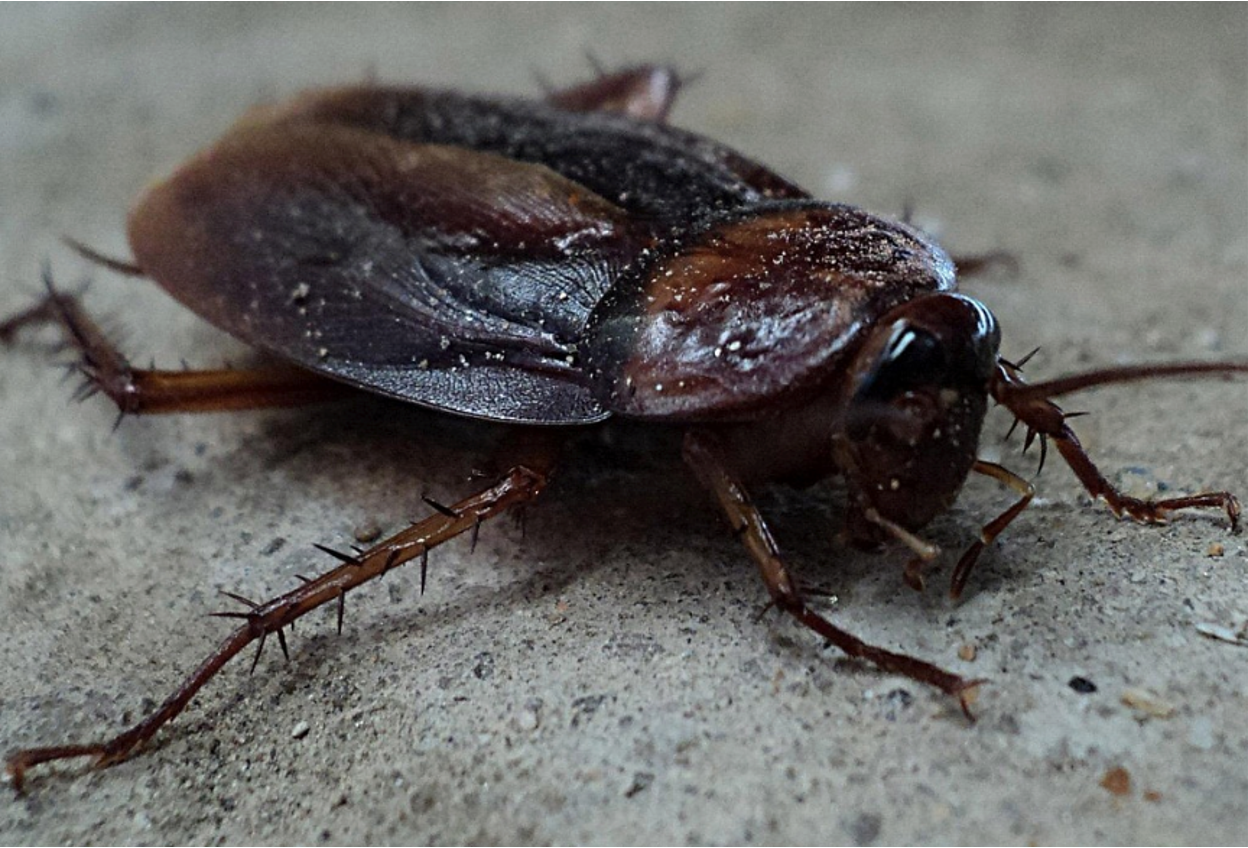
Cockroaches are omnivores and opportunistic feeders, so they only bite when food sources are extremely limited, and the infestation is large enough that competition for resources becomes intense.

Cockroaches can and do bite humans, but it’s rare.
Size, Color, & Shape of Cockroach Bites
While the bite mark itself can range from 4 to 10mm, cockroach bites tend to look noticeably larger than bed bug bites due to the swelling, raised inflammation, and the mechanical nature of the bite. Unlike bed bugs, cockroaches have chewing mouthparts, meaning they physically grip and chew rather than pierce the skin like a needle.
The bite mark is usually bright red, clearly swollen, and slightly hardened at the edges. It can look similar to a large mosquito bite or a mild allergic reaction, and in some cases, multiple bites may appear if the cockroach feeds more than once in the same spot.
Where Cockroach Bites Appear on Your Body
Cockroaches don’t seek out sleeping humans for a meal the way bed bugs do. Instead, they bite opportunistically, usually attracted to food residue on the skin. The most common bite locations reflect this behavior:
- Fingers and hands (food residue)
- Eyelids and around the mouth (dead skin cells and moisture)
- Lips and face (food traces or skin debris)
Bed Bug Bites vs Cockroach Bites: Key Differences & Symptoms
Bite Pattern & Cluster Differences
Bed bug bite patterns are one of their most defining features. Because a single bed bug feeds multiple times during one feeding session, the bites appear in a distinctive line, zigzag, or tight cluster. Finding three bites in a row on your arm or neck is one of the strongest visual indicators of bed bugs, specifically.
Cockroach bites, by contrast, show no pattern whatsoever. They appear as isolated, individual marks, usually just one or two bites in a single location. There’s no clustering, no line formation, and no repeating pattern.
Which Bite Feels Worse
The sensation each bite produces is different. Bed bug bites are intensely itchy. The anticoagulant compounds injected during feeding trigger an immune response that produces histamine, the same chemical responsible for the itch of a mosquito bite, but often more persistent and longer lasting.
Cockroach bites, on the other hand, tend to be painful rather than itchy. Since cockroaches use chewing mouthparts to physically grip and break the skin, the initial sensation is closer to a pinch or a sharp sting.
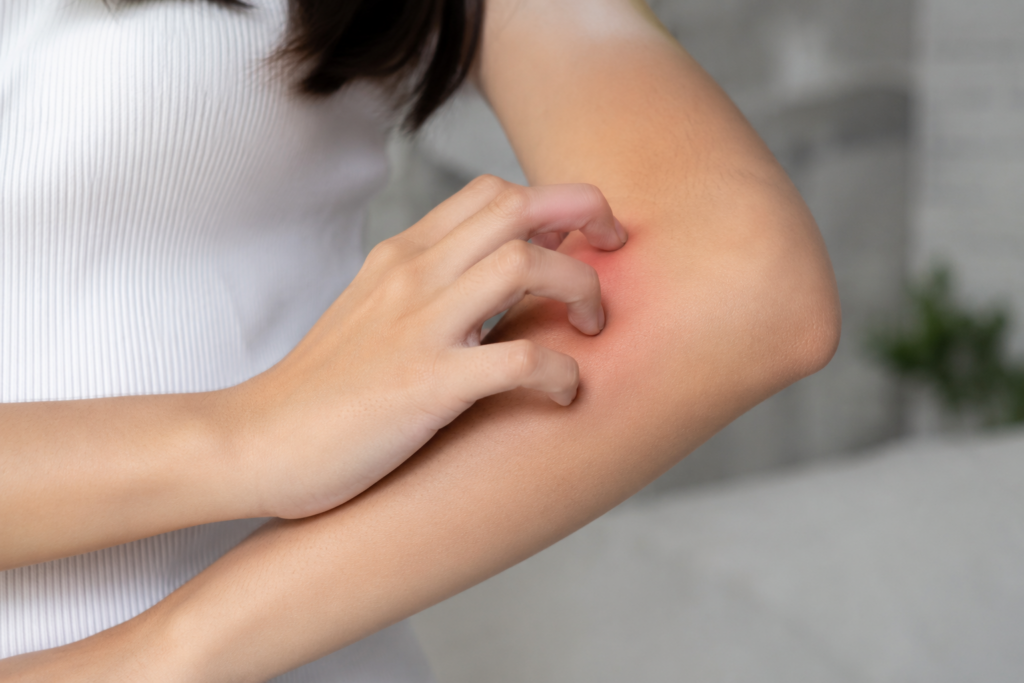
The pain from cockroach bites can linger for several hours, and the bite site often remains tender and swollen even after the immediate pain subsides.
How Fast Each Bite Appears
Timing tells another important part of the story. Bed bug bites can take anywhere from a few hours to two weeks to appear on the skin, making it very difficult to connect the bite to a specific night of exposure.
Cockroach bites, because they involve direct physical trauma to the skin rather than an injected allergen, typically appear immediately or within minutes of the bite.
Other Signs You Have Bed Bugs or Cockroaches
The bites alone rarely tell the whole story. Bed bugs leave behind tiny rust-colored blood stains on sheets and mattress seams, shed exoskeletons near hiding spots, and a distinctive musty odor in heavily infested rooms.
Cockroaches leave behind dark, pepper-like droppings, a strong, oily or musty smell, egg casings called oothecae, and smear marks along baseboards and walls where they travel regularly. Identifying these secondary signs alongside the bites is the most reliable way to confirm which pest you’re dealing with.
What to Do If You Find Signs of Bed Bugs & Cockroaches
1. Contain the Problem
For bed bugs, avoid moving infested furniture or bedding to other rooms; that’s the fastest way to spread an infestation. Wash and dry suspected fabrics on high heat (at least 130°F) and seal them in plastic bags afterward.
For cockroaches, eliminate access to food and water by storing food in airtight containers, fixing leaks, and emptying garbage daily. Both steps slow the population while you arrange professional treatment.
2. Document the Evidence
Take photos of bites, droppings, stains, or live pests. This information helps a professional accurately assess the severity of the infestation and tailor the right treatment plan from day one.
3. Call a Professional Early
Bed bugs and cockroaches don’t go away on their own, and the longer they’re left untreated, the harder (and more expensive) they are to eliminate.
At Connor’s Pest Pros, we offer expert pest control across the D.C. metro area, including specialized bed bug heat treatments, cockroach baiting and exclusion, and 24/7 emergency response. Call us at 888-284-6968, and we’ll handle your pest problem.
Bed Bug Bites vs Cockroach Bites: Comparison Table
| Feature | Bed Bug Bites | Cockroach Bites |
| Size | 2mm–5mm, small welts | 4mm–10mm, larger and more swollen |
| Pattern | Clusters or lines | Random, isolated |
| Main Sensation | Intense itching | Pain and tenderness |
| Appearance Time | Hours to 14 days | Immediate |
| Common Locations | Arms, neck, legs, face | Fingers, eyelids, lips |
| Bite Frequency | Multiple bites per session | Usually one or two |
| Rarity | Common in infestations | Rare, severe infestations only |
Got a Cockroach or Bed Bug Problem? Call Connor’s Pest Pros
Telling cockroach bites from bed bug bites comes down to reading the pattern, location, and symptoms together. Confirming the infestation and clearing it quickly is what keeps a few bites from turning into a full-blown problem.
At Connor’s Pest Pros, we handle both pests across the D.C. metro area with same-day inspections, eco-friendly treatments safe for kids and pets, and a 100% satisfaction guarantee that covers free re-treatments. If you want to stop the bites for good, get your free quote today.
Ready to put an end to your pest problem? Get a free quote today.
Frequently Asked Questions (FAQs)
Can cockroaches bite you while you sleep?
Yes, cockroaches can bite you while you sleep, but it’s uncommon. Biting a sleeping person is typically a last resort behavior driven by extreme food scarcity and high population density within an infestation. The most at-risk areas while sleeping are the face and the hands, where food residue from eating before bed might still be present.
Do bed bug bites always appear in a line?
Not always, but a line or cluster pattern is the most common presentation. The classic “breakfast, lunch, and dinner” pattern of three bites in a row is frequently cited. However, bed bug bites can also appear as scattered clusters, zigzag formations, or even isolated individual bites.
Can cockroach bites make you sick?
A cockroach bite itself can become infected if it isn’t cleaned promptly and properly. Cockroaches carry dozens of species of bacteria on their bodies, including Salmonella, Staphylococcus, and Streptococcus, any of which can enter the skin through an open bite wound. Wash the bite immediately with soap and water, apply an antiseptic, and monitor for signs of infection over the following 24 to 48 hours.
How long do bed bug bites take to heal?
Bed bug bites typically resolve within one to two weeks for most people when left alone and not scratched. Applying hydrocortisone cream directly to the bite can reduce itching and inflammation, thereby shortening healing time. Bites that are scratched repeatedly, however, can take significantly longer to heal and carry the added risk of developing into a secondary bacterial skin infection, which may require antibiotic treatment to resolve.
Does Connor’s Pest Pros offer treatment for bed bug infestation?
Yes, at Connor’s Pest Pros, we offer expert bed bug treatment, with specialized methods designed to eliminate every life stage of the infestation. Our service includes detailed inspections, targeted treatments, and 24/7 emergency response for urgent situations, all backed by our 100% satisfaction guarantee. Reach out today to get your home bed bug-free in no time.
*Price estimates reflect current market costs and may vary based on your specific situation. For a personalized quote tailored to your needs, contact us directly or request your FREE estimate today!