
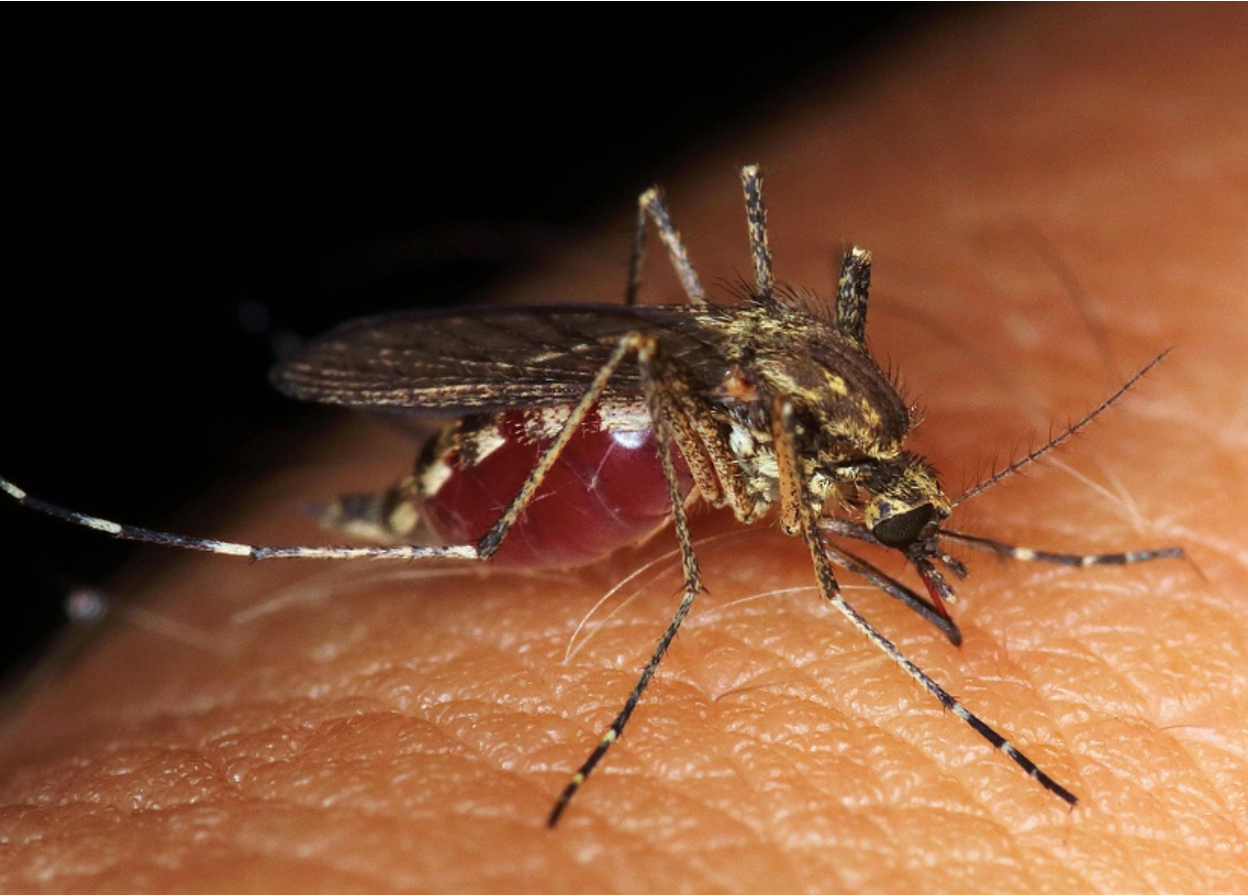
Key Takeaways
- Mosquito bites are typically small, round, puffy welts with a clear center, often appearing on exposed areas and are usually scattered. Cockroach bites are larger, more pronounced, and often appear on hands, fingers, lips, eyelashes, or feet, and they tend to occur individually.
- Symptoms differ in intensity and duration. Mosquito bites itch within minutes and typically fade within a few days. Cockroach bites may take longer to appear, swell more dramatically, and sometimes break the skin enough to leave a small wound.
- Mosquitoes breed in standing water and target exposed skin outdoors or near open windows. Cockroaches gather around kitchens, bathrooms, drains, and food sources, and they bite humans only when populations grow large enough that food competition forces them to.
- Treatment follows similar principles for both. Wash the bite with soap and water, apply a cold compress to reduce swelling, use hydrocortisone cream or calamine lotion for itching, and take an oral antihistamine if the reaction is severe.
- Treating bites is only half the solution; eliminating the source is what truly resolves the problem. At Connor’s Pest Pros, we offer expert cockroach and mosquito treatment with eco-friendly solutions safe for pets and children, 24/7 emergency response for severe cockroach situations, and seasonal mosquito control programs.
What Is the Difference Between Cockroach Bites & Mosquito Bites?
The main difference between cockroach bites and mosquito bites comes down to appearance and what they reveal about the source. A cockroach bite shows up as a bright red, firm, isolated bump, typically on the face, hands, or fingers, and signals an established infestation indoors. A mosquito bite shows up as a soft, puffy welt with a red halo, often scattered across exposed skin like arms, legs, and ankles, and points to standing water and breeding activity near your home.
Identifying the culprit matters because the pest is likely still on your property, and delaying treatment can make the infestation harder to eliminate. For homeowners across Virginia, Maryland, and the DC metro area, Connor’s Pest Pros provides expert identification, eco-friendly treatments safe for pets and children, and 24/7 emergency response for severe cockroach situations, so the source of the bite gets handled along with the bite itself.
The sections below walk through the visual differences, symptoms, treatment steps, and infestation cues for each bite type.
|
Connor’s Pest Pros: Family-Owned Pest Control Experts Choose Your Pest Protection Solution:
Customer Praise:
★★★★★ “Quick to answer my call and available same-day… I recommend them to anyone looking for pest control in NOVA.” – Jacquelyn L.
Why Choose Connor’s Pest Pros:
|
Cockroach Bites: Appearance & Symptoms
What Do Cockroach Bites Look Like?
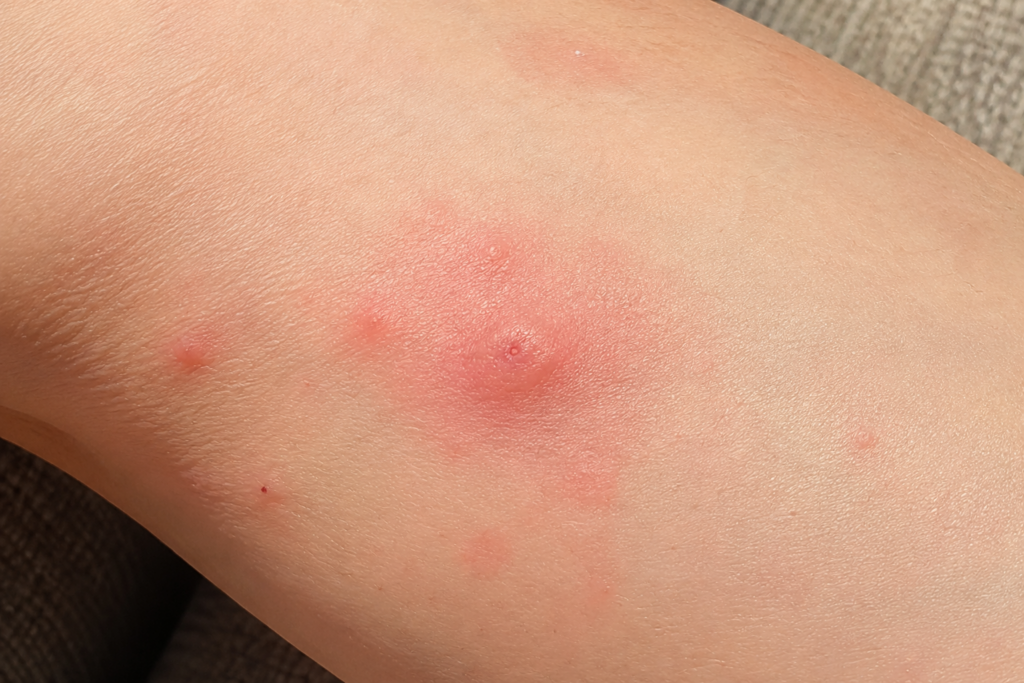
Roach bites are notably firm to the touch compared to the softer, fluid-filled quality of a mosquito bite.
A cockroach bite is bright red, raised, and firm. It typically measures between 1 and 4 millimeters wide, which is generally smaller than the average mosquito welt and easier to mistake for a pimple or small insect bite at first glance. The bite usually appears as a single isolated bump rather than in clusters.
The redness around a roach bite tends to be more defined and concentrated, and the bump itself holds its shape rather than spreading outward the way a mosquito welt does.
Mild swelling is common, and the bite can remain visible and irritated for several days if left untreated. The most commonly reported bite locations include the face (particularly around the mouth and eyelids), hands, fingers, and other areas of exposed skin not covered by clothing or bedding.
Cockroach Bite Symptoms to Watch For
Most cockroach bites produce mild, localized symptoms that are more of an irritant than a true medical concern. The initial bite may go unnoticed, but the symptoms that develop over the following hours are what draw attention. Common signs include:
- Redness, Swelling, & Itching: The swelling around a cockroach bite is typically more pronounced than what you’d see with a mosquito bite of similar size. The skin around the bite may feel warm and appear inflamed for up to several days, and itching can be persistent and intense.
- An Allergic Reaction to Roach Saliva: Some individuals may develop a more significant reaction to a roach bite. A bite in an allergic individual can trigger symptoms that go beyond the bite site, including hives, pronounced swelling, difficulty breathing in severe cases, or a generalized skin reaction.
- An Infected Bite: Signs of infection include increasing redness that spreads beyond the original bite area, warmth, pus or discharge, and a bite that gets more painful rather than less over time. If you notice any of these symptoms developing over 48 to 72 hours, it’s worth seeing a doctor.
Mosquito Bites: Appearance & Symptoms
What Do Mosquito Bites Look Like?
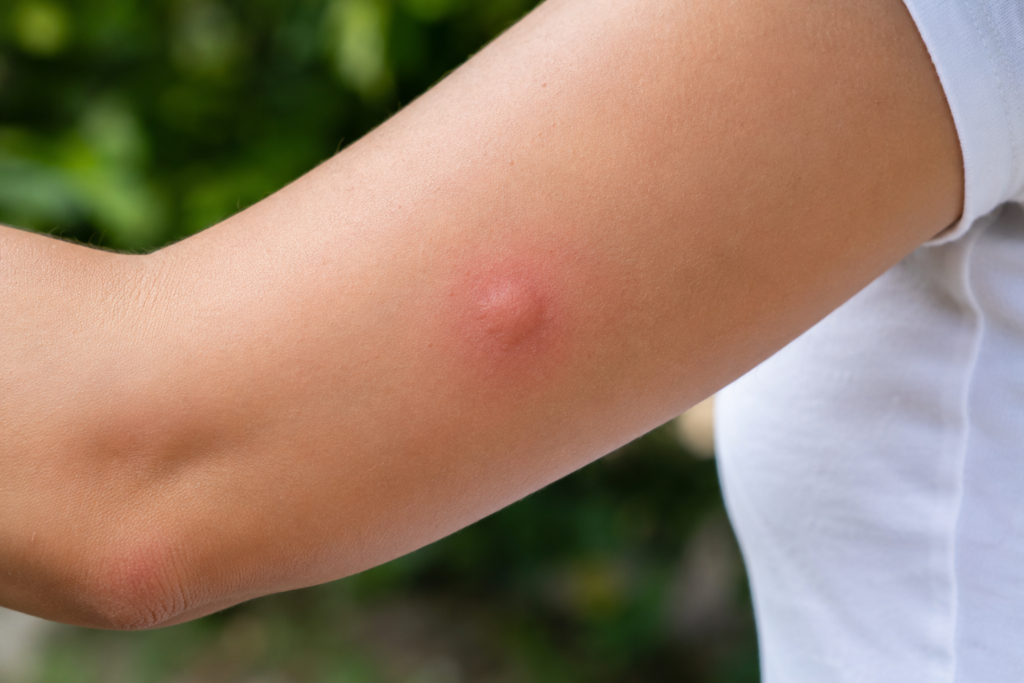
The center of the welt from a mosquito bite is sometimes marked by a small puncture point where the mosquito’s proboscis penetrated the skin.
Mosquito bites produce a soft, rounded welt that forms almost immediately after the bite occurs. The welts typically measure between 2 and 10 millimeters wide, though heavy reactions can produce larger, swollen patches several centimeters across. On lighter skin tones, the bump is typically pink to red. On medium or darker skin tones, it may appear skin colored, violet, or brown.
The center of a mosquito welt often shows a small puncture point where the proboscis penetrated the skin. Unlike cockroach bites, mosquito bites tend to appear in multiple spots across exposed areas of the body, particularly the ankles, lower legs, arms, neck, and the back of the hands.
The welts feel soft and fluid-filled rather than firm, and they tend to flatten and fade within hours to a couple of days.
Mosquito Bite Symptoms to Watch For
Mosquito bite symptoms range from mildly annoying to genuinely serious, depending on the individual and the geographic location of the bite. For most healthy adults, a mosquito bite produces nothing more than a temporary itchy welt that resolves on its own within a few hours to a couple of days. Look out for:
- Itching, Swelling, & Redness: The most universal mosquito bite reaction is a soft, puffy welt surrounded by a reddish halo. The itching can be intense and persistent, particularly in children, and scratching the site can break the skin and open the door to secondary infection.
- Signs of illness: A mosquito bite in regions where vector-borne diseases are active can expose you to illnesses like West Nile virus, Eastern equine encephalitis, and Zika, several of which have been recorded in Virginia and Maryland. Most mosquito-borne illnesses share overlapping early symptoms, including fever, headache, fatigue, and muscle aches. If you develop these symptoms after receiving multiple mosquito bites, seek medical evaluation.
- Severe Allergic Reactions: While rare, some individuals experience a severe allergic reaction to mosquito bites known as hypersensitivity to mosquito bites (HMB). Symptoms can include high fever, swollen lymph nodes, large areas of skin necrosis around the bite, and, in extreme cases, systemic involvement requiring hospitalization.
How to Treat Cockroach Bites?
While cockroach bites are rare, they can be itchy and swollen, and they can become infected if left untreated. Here’s how to handle them step by step:
- Wash the bite area with soap and warm water: Cockroaches can carry bacteria from surfaces they crawl over, so cleaning the bite area immediately reduces the risk of infection. Use mild soap and rinse thoroughly.
- Apply a cold compress to reduce swelling: Wrap an ice pack or cold cloth in a clean towel and hold it on the bite for 10–15 minutes. This eases inflammation and helps numb the itching sensation.
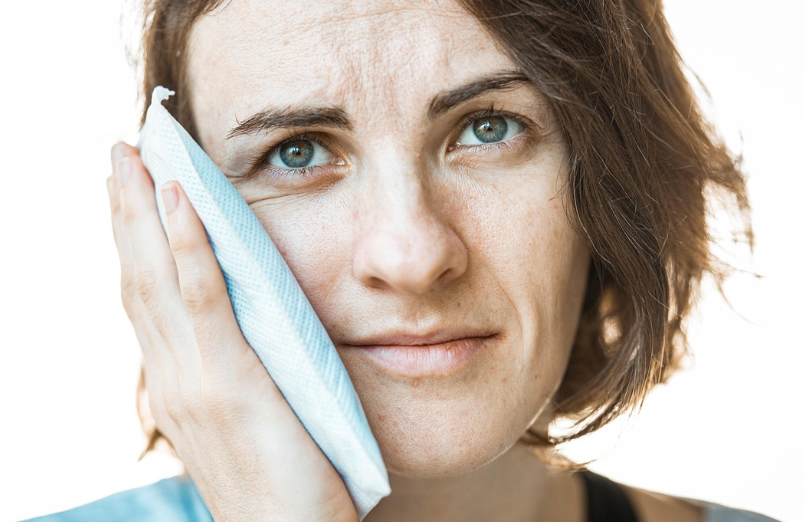
Use a cold compress on your face, hands, and other areas that appear swollen due to cockroach bites.
- Use an over-the-counter antiseptic: Dab a small amount of rubbing alcohol, hydrogen peroxide, or an antiseptic cream onto the bite to disinfect the area and prevent bacterial infection.
- Apply hydrocortisone cream or calamine lotion to manage itching: A thin layer of hydrocortisone (1%) reduces redness and irritation, while calamine lotion offers a soothing alternative for sensitive skin.
- Take an oral antihistamine if needed: If the bite causes significant itching, swelling, or an allergic reaction, an over-the-counter antihistamine like Benadryl or Claritin can provide relief and reduce the response.
- See a doctor if symptoms worsen or persist: If the bite doesn’t improve within a week, becomes infected, or triggers a serious allergic reaction (difficulty breathing, dizziness, widespread swelling), seek medical care immediately.
How to Treat Mosquito Bites?
Mosquito bites are itchy and irritating, and can easily become raw if left untreated, but most can be managed effectively at home. Here’s how to handle them step by step:
- Wash the bite area with soap and warm water: Cleaning the bite immediately removes saliva, bacteria, and dirt, reducing the risk of infection from later scratching.
- Apply a cold compress to calm the histamine reaction: Hold a wrapped ice pack or chilled, damp cloth against the welt for 10 to 15 minutes. Mosquito bites itch because of a fast histamine response, and the cold slows that reaction while numbing the nerve endings around the bite.
- Use an anti-itch cream or hydrocortisone: Apply a thin layer of 1% hydrocortisone cream, calamine lotion, or an over-the-counter anti-itch product to ease itching and reduce redness. Reapply as needed throughout the day.
- Try a baking soda paste for natural relief: Mix one tablespoon of baking soda with just enough water to form a paste, apply it to the bite, leave it on for 10 minutes, and rinse with cool water. It’s a simple home remedy that helps neutralize itching.
- Take an oral antihistamine if itching is severe: Over-the-counter antihistamines like Benadryl, Claritin, or Zyrtec reduce the body’s allergic response and offer longer-lasting relief than topical treatments alone.
- Seek medical care if symptoms worsen: If the bite triggers a serious allergic reaction (difficulty breathing, dizziness, widespread swelling, hives) or you develop fever, headache, or muscle aches in the days that follow, seek medical attention immediately. These can be early signs of mosquito-borne illness.
Cockroach Bites vs Mosquito Bites: Comparison Table
| Feature | Cockroach Bite | Mosquito Bite |
| Appearance | Bright red, firm, raised bump | Soft, puffy welt with red halo |
| Size | 1–4 mm wide | Variable; often larger and softer |
| Pattern | Single, isolated bite | Scattered or loosely grouped |
| Common Location | Face, hands, fingers, lips, eyelids, feet | Arms, legs, ankles, neck |
| When It Occurs | Most often at night | Any time, especially dusk/dawn |
| Onset of Symptoms | Gradual, hours after bite | Almost immediate |
| Itching Intensity | Moderate to intense | Intense, immediate |
| Disease Transmission | None through bite itself | Yes: multiple pathogens possible |
| Infection Risk | Higher due to bacteria on the roach | Lower from bite alone |
| Duration | Several days to a week | Hours to a few days |
| What It Signals | Possible severe infestation | Mosquito activity nearby |
Call Connor’s Pest Pros to Take Care of Your Pest Problem
A cockroach bite or mosquito bite is almost always a symptom of a larger problem. And while natural remedies can effectively address the immediate skin reaction, they can’t address what’s living in your walls, under your appliances, or breeding in your yard. That’s where professional pest control makes all the difference.
At Connor’s Pest Pros, we specialize in identifying, targeting, and eliminating both cockroach and mosquito infestations for homeowners throughout Northern Virginia, Maryland, and the DC metro area, using proven methods matched to your specific home environment. Our trained technicians use professional-grade treatments to reach harborage sites and address the conditions that make your property attractive to pests in the first place. Tackle your pest problem today.
Reach out to us for a free quote.
Frequently Asked Questions (FAQs)
How long does a cockroach bite last compared to a mosquito bite?
A typical mosquito bite resolves within a few hours to two days with minimal treatment. A cockroach bite, by contrast, tends to stay red, swollen, and irritated for anywhere from three days to a full week. Consistent application of anti-inflammatory natural remedies, such as aloe vera, cold compresses, and baking soda paste, can noticeably shorten the duration when started early.
Do cockroach bites itch as much as mosquito bites?
Cockroach bites can itch intensely, and in many cases, the itch is more persistent than that of a typical mosquito bite. Mosquito bites tend to itch fiercely for the first few hours, then gradually diminish as the histamine response subsides. However, roach bites can maintain a steady, nagging itch for several days.
How do you know if a bite is from a cockroach or a mosquito?
A single firm red bump on your face or hand that was there when you woke up points to a cockroach. Multiple softer welts scattered across your arms, legs, or neck that appeared after time spent outdoors are likely from mosquitoes.
How does Connor’s Pest Pros handle cockroach and mosquito infestations?
At Connor’s Pest Pros, we tackle cockroach and mosquito infestations with expert, eco-friendly treatments, including targeted baiting and exclusion for cockroaches, and seasonal yard treatments that significantly reduce mosquito populations. We start with a detailed property inspection to identify the entry points and harborage conditions, and we create treatment plans tailored to your property.
*Price estimates reflect current market costs and may vary based on your specific situation. For a personalized quote tailored to your needs, contact us directly or request your FREE estimate today!