
Key Takeaways
- Maryland homes commonly face four main cockroach species which are German, American, Oriental, and Brown-banded, each with distinct behaviors and control challenges.
- Effective DIY control methods include gel baits, boric acid, and diatomaceous earth, though professional treatment is recommended for severe infestations.
- Prevention strategies focusing on moisture control, food storage, and entry point sealing can significantly reduce cockroach presence in Maryland homes.
- Understanding seasonal behavior patterns of Maryland cockroaches improves year-round management effectiveness.
- Connor’s Pest Pros offers same-day service, 100% satisfaction guarantee, and specialized knowledge of Maryland’s cockroach species, providing comprehensive solutions when DIY methods fail.
The 4 Most Common Cockroaches in Maryland Homes
Maryland’s climate and diverse urban-suburban landscape create ideal conditions for several cockroach species. Each type has distinct characteristics, behaviors, and preferred habitats that affect how you should approach control.
Correctly identifying which species you’re dealing with significantly improves your chances of successful elimination.
1. German Cockroach: The Most Prevalent Indoor Pest
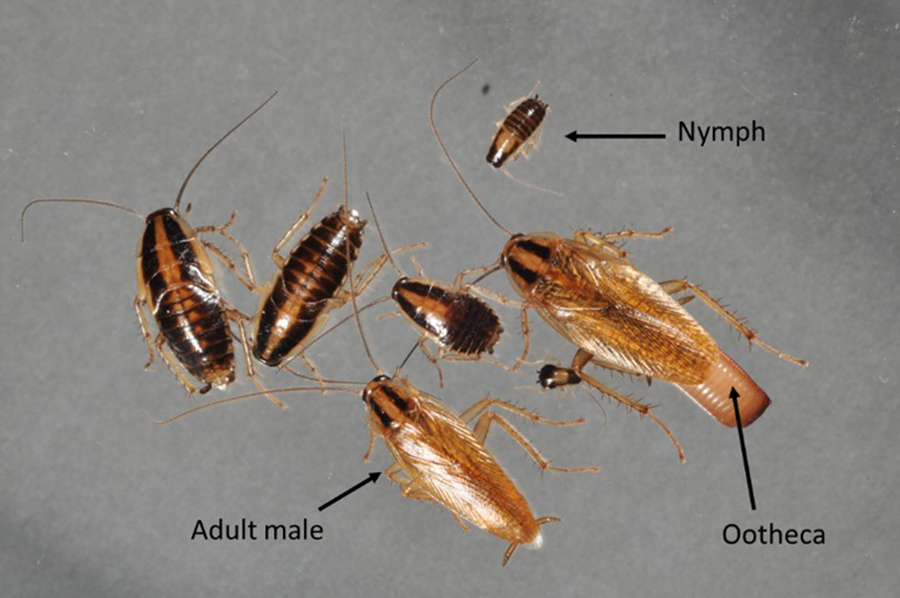
Here’s how a German cockroach looks like (image courtesy of the New Jersey Agricultural Experiment Station).
German cockroaches are the most common indoor cockroach species in Maryland, measuring 1/2 to 5/8 inches long with a light brown color and two distinctive dark stripes running down their backs.
These pests reproduce at an alarming rate, a single female can produce up to 400 offspring in her lifetime, with eggs hatching in just 28 days under ideal conditions.
Unlike other species, German cockroaches rarely venture outdoors in our climate, meaning they’re almost exclusively spread through human transportation, hitchhiking in grocery bags, secondhand appliances, or furniture.
2. American Cockroach: Maryland’s Largest Roach Species
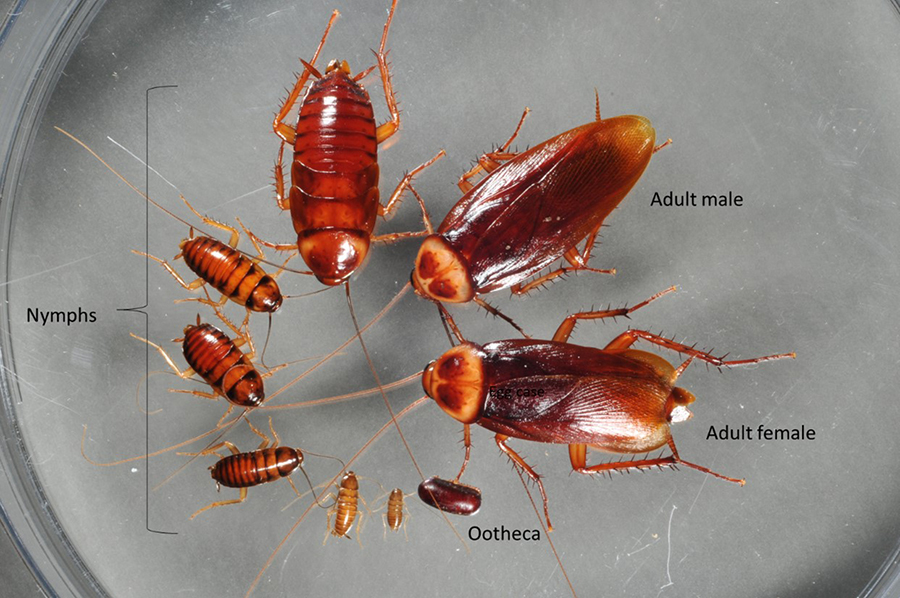
Here’s how an American cockroach looks like (image courtesy of the New Jersey Agricultural Experiment Station).
The American cockroach, despite its name, actually originated in Africa and was introduced to America in the 1600s. As Maryland’s largest cockroach species at 1.5 to 2 inches long, these reddish-brown pests are easily identified by their size and the yellowish figure-8 pattern behind their heads.
Unlike their German cousins, American cockroaches commonly live outdoors in Maryland during warmer months but move indoors when temperatures drop, particularly into basements, crawl spaces, and sewer systems where humidity remains high.
3. Oriental Cockroach: The Water-Loving Pest
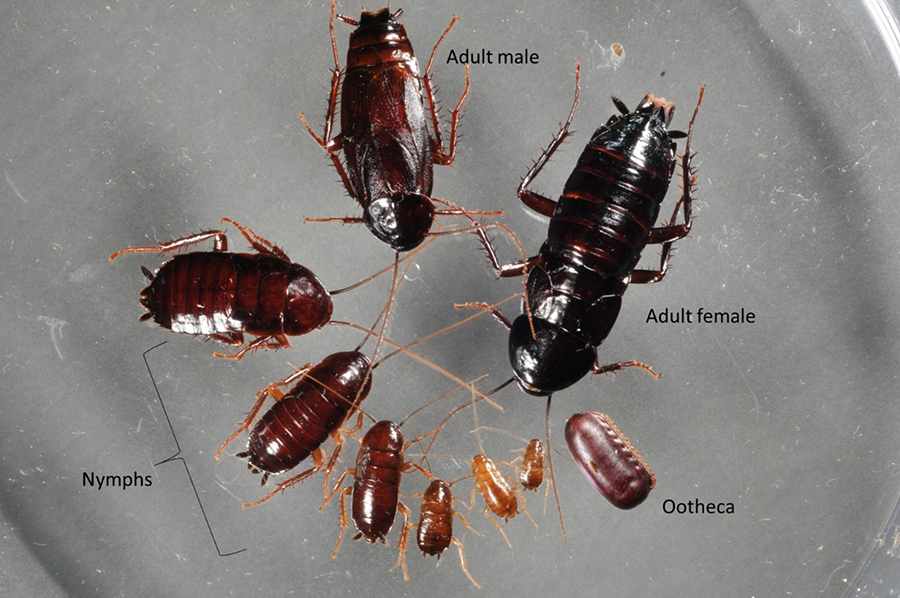
Here’s how an Oriental cockroach looks like (image courtesy of the New Jersey Agricultural Experiment Station).
Oriental cockroaches are often called “water bugs” or “black beetles” due to their dark, shiny appearance and strong preference for extremely damp environments.
Measuring about 1 inch long, these cockroaches are commonly found in Maryland basements, crawl spaces, and around exterior foundation walls where moisture accumulates. They’re particularly problematic during rainy Maryland springs when outdoor populations surge and seek shelter indoors.
4. Brown-Banded Cockroach: The Furniture Invader
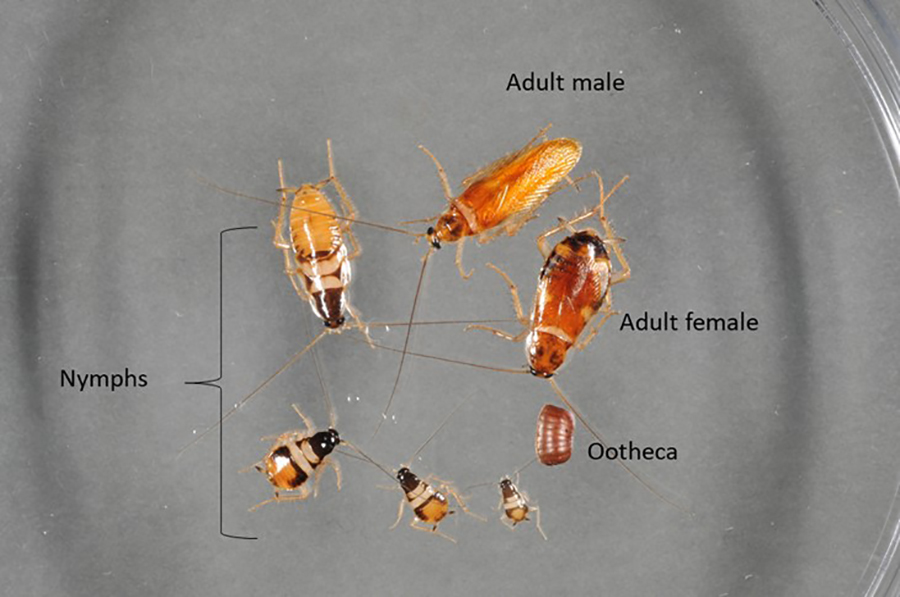
Here’s how a Brown-banded cockroach looks like (image courtesy of the New Jersey Agricultural Experiment Station).
Brown-banded cockroaches are the smallest common species in Maryland at just 1/2 inch long, identified by the light brown bands across their wings.
Unlike other cockroaches that prefer kitchens and bathrooms, brown-banded cockroaches favor warmer, drier areas of the home, particularly upper cabinets, behind picture frames, inside electronics, and within furniture.
This preference for drier locations makes them uniquely challenging as they often establish infestations far from typical cockroach treatment areas.
|
Connor’s Pest Pros: Family-Owned Pest Control Experts Choose Your Pest Protection Solution:
Customer Praise:
★★★★★ “Quick to answer my call and available same-day… I recommend them to anyone looking for pest control in NOVA.” – Jacquelyn L.
Why Choose Connor’s Pest Pros:
|
Differences Between Cockroach Species
| Species | Habitat & Behavior | Reproduction & Spread | Control Challenges & Notes | Visual Identification |
| German Cockroach | Prefers warm, humid indoor areas (kitchens, bathrooms) | Rapid reproduction; eggs hatch in 28 days; spreads via human transport | Small size allows hiding in tiny cracks; developing resistance to pesticides | Light brown, two distinctive dark stripes on back |
| American Cockroach | Outdoors in warm months; indoors in basements, crawl spaces, sewers | Slower reproduction; enters homes via sewers and drains | Larger size and flying ability distress homeowners; prefers lower-level habitats | Largest cockroach in Maryland, reddish-brown with yellow figure-8 pattern |
| Oriental Cockroach | Prefers extremely damp areas (basements, crawl spaces, foundation walls) | Enters homes through foundation cracks and utility pipes; slow moving | Distinct musty odor; limited climbing ability; frequent indoor seasonal migration | Dark shiny black or brown, often called “water bug” |
| Brown-Banded Cockroach | Favors warm, dry indoor areas (upper cabinets, furniture, electronics) | Eggs glued to surfaces; spreads easily in apartments and condos | Feeds on wide variety of materials; harder to locate due to varied habitat | Smallest common species, light brown bands across wings |
DIY Cockroach Control Methods That Actually Work
1. Gel Baits: Best for German Cockroaches
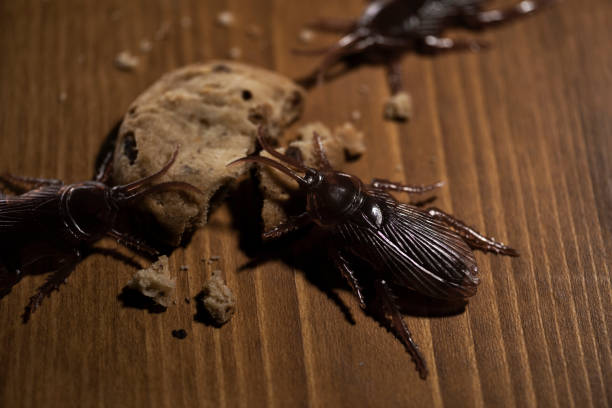
Cockroach gel baits rank among the most effective DIY treatments specifically for German cockroaches.
Gel bait products combine food attractants with slow-acting insecticides, allowing cockroaches to consume the bait and return to their harborage areas before dying.
This creates a secondary kill effect as other cockroaches cannibalize the poisoned individuals or consume their feces. For Maryland homes, where higher humidity can affect bait performance, replace applications every 2–3 weeks rather than the 4-week cycle recommended in drier climates.
2. Boric Acid Treatments: Effective Against Multiple Species
Boric acid powder remains one of the most versatile and cost-effective cockroach control methods for Maryland homeowners, working against all common species when properly applied.
This white powder damages cockroaches’ exoskeletons and digestive systems when they walk through it and later groom themselves. For effective application in Maryland’s humid environment, use a thin, barely visible layer rather than thick piles that cockroaches will avoid.
3. Diatomaceous Earth: A Natural Alternative
For Maryland homeowners seeking natural pest control options, food-grade diatomaceous earth provides an effective alternative to synthetic insecticides.
This powder consists of fossilized diatoms that mechanically damage cockroaches’ exoskeletons, causing them to dehydrate and die. It works particularly well against American and Oriental cockroaches that have entered from outside, as these species have not developed the resistance patterns sometimes seen with chemical treatments.
4. Sticky Traps: For Monitoring & Light Infestations
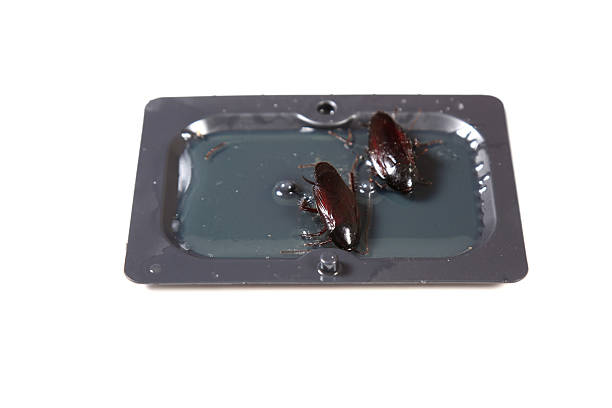
While not a complete solution on their own, sticky traps serve a dual purpose in Maryland cockroach management.
Place sticky traps along walls, in corners, and near suspected harborage areas to intercept cockroaches as they travel. The pattern and number of captures help identify cockroach travel routes and concentration areas, allowing for more targeted treatment.
In Maryland homes, place traps not only in kitchens and bathrooms but also in basements and near utility entries where Oriental cockroaches commonly enter during seasonal migrations.
5. IGRs (Insect Growth Regulators): Breaking the Breeding Cycle
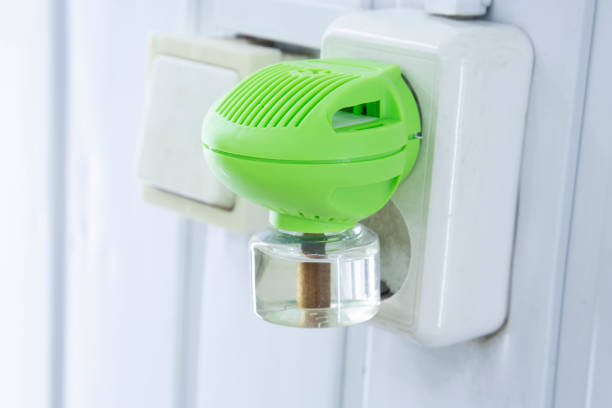
Insect Growth Regulators represent one of the most scientifically advanced DIY options for long-term cockroach control.
Insect Growth Regulators mimic insect hormones, preventing immature cockroaches from developing into reproductive adults and sterilizing adult females.
While they don’t kill existing adult cockroaches, IGRs effectively break the reproductive cycle, preventing population growth. Available as sprays or point-source dispensers, they’re particularly effective against German cockroaches with their rapid reproduction rates.
Prevention Strategies for Maryland Homeowners
Preventing cockroach infestations is significantly easier and less expensive than eliminating established populations. Here are some strategies to use:
- Seal cracks and gaps in exterior walls, foundation, and around utility penetrations.
- Reduce indoor humidity using dehumidifiers in basements and crawl spaces.
- Store food in airtight containers, including pet food.
- Repair leaking pipes and fixtures promptly.
- Clean kitchen surfaces and floors daily, especially before bedtime.
- Manage trash properly with tightly sealed containers emptied regularly.
- Declutter regularly to eliminate harborage areas.
- Inspect secondhand furniture and appliances before bringing them home.
By implementing these preventive measures, you can substantially reduce the likelihood of cockroach problems taking hold.
When to Call a Professional Exterminator
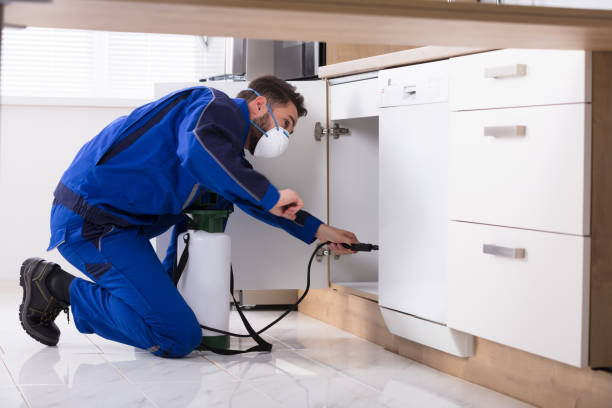
While DIY methods can be effective for minor to moderate cockroach problems, there comes a point when professional intervention becomes necessary.
Signs of Severe Infestation
If you’re seeing cockroaches during daylight hours in Maryland homes, you’re likely facing a significant infestation. Cockroaches are primarily nocturnal, and daytime sightings typically indicate overcrowding in their harborage areas.
Other warning signs include multiple cockroaches of varying sizes (indicating successful breeding), visible egg cases (oothecae) in drawers or cabinets, and a noticeable musty odor that intensifies in enclosed spaces.
Failed DIY Treatment Attempts
If you’ve diligently applied DIY treatments for 3–4 weeks without noticeable population reduction, professional intervention is warranted.
Maryland’s cockroach populations, particularly German cockroaches in urban areas, have developed resistance to many over-the-counter insecticides through decades of exposure. Professional exterminators have access to rotation protocols using different active ingredients that overcome this resistance.
What to Expect From Professional Cockroach Treatment
Professional cockroach treatment in Maryland typically begins with a thorough inspection to identify cockroach species, harborage areas, entry points, and contributing factors like moisture sources.
Treatment usually involves a multi-pronged approach including targeted insecticide application in cracks and crevices, professional-grade baiting systems, dust applications in wall voids and utility penetrations, and IGR treatments to prevent reproduction.
Many professionals also provide detailed recommendations for preventing future infestations based on your specific home characteristics and the cockroach species involved.
Connor’s Pest Pros: Expert Cockroach Control for Maryland Homes
Dealing with cockroaches in Maryland doesn’t have to be a losing battle. At Connor’s Pest Pros, our expert technicians have the knowledge and tools to eliminate these unwanted invaders.
Our same-day and next-day service ensures you won’t wait around for relief when pests threaten your family’s health and peace of mind. Serving the DC metro area and broader Northern Virginia regions, we bring decades of local expertise to every job. Our 100% satisfaction guarantee means if pests return, we’ll return too, at no additional cost, to make it right.

We offer cockroach extermination services across DC and the wider NOVA that consistently satisfy our customers.
Don’t let cockroaches compromise your home’s safety and comfort. Contact us today for your free estimate and experience the difference professional expertise makes in protecting your Maryland home.
Reach out today for a free quote!
Frequently Asked Questions (FAQ)
How quickly do cockroaches reproduce in Maryland’s climate?
German cockroaches reproduce most rapidly, with females producing 30–40 eggs every 4–6 weeks that develop into adults in just 50–60 days. A single female can theoretically produce over 30,000 offspring annually, explaining why small problems quickly become major infestations without prompt treatment.
Can cockroaches survive Maryland winters outdoors?
American and Oriental cockroaches cannot survive prolonged Maryland winter exposure outdoors, instead seeking shelter in heated buildings, sewers, or deep mulch. German cockroaches rarely live outdoors year-round, maintaining indoor populations. This explains the common fall invasion pattern many homeowners experience.
What’s the difference between cockroaches and “water bugs” in Maryland?
“Water bug” is a common misnomer for Oriental cockroaches in Maryland. True water bugs are aquatic predators found in ponds and streams, while Oriental cockroaches are terrestrial pests that prefer damp environments but don’t actually live in water.
Are over-the-counter pesticides effective against Maryland cockroaches?
Many Maryland cockroach populations, especially German cockroaches in urban areas like Baltimore and DC, have developed resistance to common pyrethroid-based over-the-counter products. Professional treatments use rotation protocols and different active ingredients to overcome this resistance.
What makes Connor’s Pest Pros different for cockroach control in Maryland?
Connor’s Pest Pros offers same-day service when you need immediate relief, backed by a 100% satisfaction guarantee. Our technicians understand Maryland’s specific pests and climate challenges, serving the DC metro and Northern Virginia areas with customized solutions and free re-treatments if pests return.