
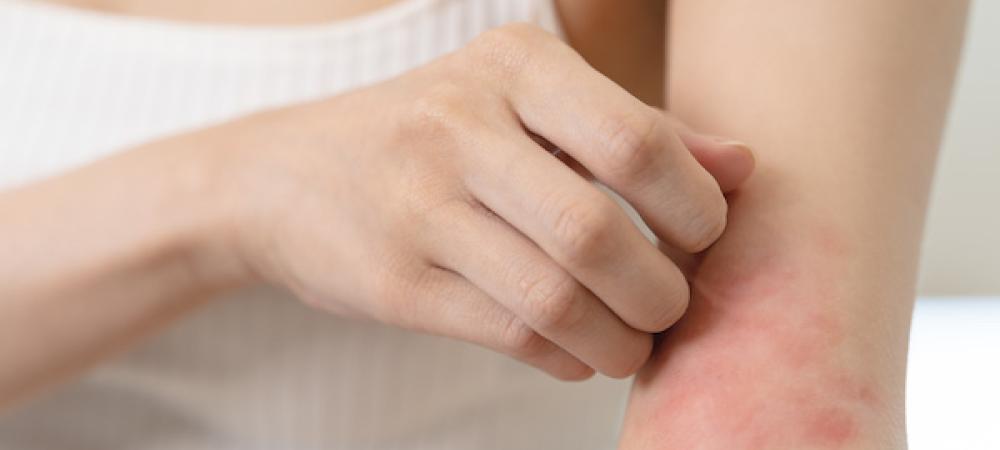
Key Takeaways
- Bed bug bites and mosquito bites look similar, but four things tell them apart: pattern, timing, location, and appearance.
- Most people guess wrong because they only look at how a bite looks. Bed bug bites cluster in rows or zigzag lines of three to five from repeated nightly feeding, while mosquito bites show up as single, scattered welts.
- Timing confirms it. Bed bug reactions build slowly over hours to days, while mosquito bites swell within minutes of being outdoors. Connor’s Pest Pros identifies the exact pest during a free inspection so you treat the right problem.
- Disease risk is the bigger stakes: mosquitoes can carry West Nile virus, Zika, dengue, and malaria, while bed bugs spread no disease but cause sleep loss and stress.
- Connor’s Pest Pros handles both pests with same-day service for calls before noon, free inspections, and customized bed bug and mosquito treatment plans across Virginia, Maryland, and Washington DC.
How Do You Tell Bed Bug Bites from Mosquito Bites?
Bed bug bites and mosquito bites come apart along four lines: pattern, timing, location, and appearance. Bed bug bites cluster in rows or zigzag lines and react over hours to days, while mosquito bites land as single welts that swell within minutes outdoors. Disease risk separates them further, since mosquitoes can carry West Nile virus, Zika, dengue, and malaria while bed bugs transmit none. Which pest you are dealing with decides how you treat the bites and how you stop the next round.
Bites that keep appearing overnight or in tight clusters point to a problem inside the home rather than the backyard, and knowing the difference early saves homeowners across Virginia, Maryland, and Washington DC weeks of guesswork.
|
Connor’s Pest Pros: Family-Owned Pest Control Experts Choose Your Pest Protection Solution:
Customer Praise:
★★★★★ “Quick to answer my call and available same-day… I recommend them to anyone looking for pest control in NOVA.” – Jacquelyn L.
Why Choose Connor’s Pest Pros:
|
What Do Bed Bug Bites Look Like?
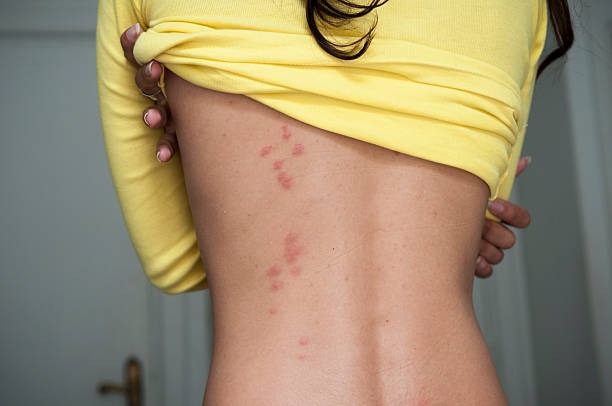
Bed bug bites are small, red, raised bumps on the skin.
Unlike mosquito bites, which tend to appear as singular welts spread out across the skin, bed bug bites are often clustered together in rows or groups because of the multiple nightly feeding sessions.
Although they resemble mosquito or flea bites, bed bug bites cause more inflammation and may include a darker red center. These bites can develop into itchy blisters or pustules in more sensitive individuals.
Because bed bugs feed on us as we sleep, you’re more likely to find bites on any exposed area, like your face, neck, arms, and hands. However, these pests will snack on other parts of your body like your legs, back, or torso, primarily depending on what you wear to sleep.
The distribution of bed bug bites varies depending on how you sleep at night, your bedding, and your clothing. While full-coverage PJs will give you adequate protection, a full comforter may provide extra hiding spots for the insects.
So, how do you know if a bed bug bites you? Symptoms of bed bug bites range from mild itching and irritation to severe allergic reactions. Others can develop redness, swelling, and intense itching within a few hours or days, noticing the marks pop up as they get out of bed in the morning.
While uncommon, you can suffer from a serious allergic reaction that could lead to difficulty breathing or anaphylaxis, requiring immediate medical attention. Excessively scratching the bites can also lead to secondary infections.
What Do Mosquito Bites Look Like?
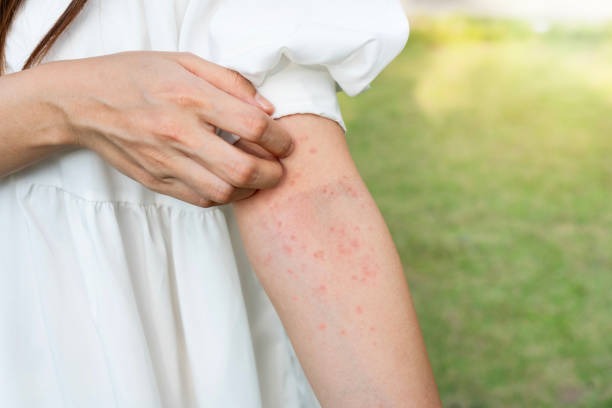
Like bed bug bites, mosquito bites typically appear as small, raised, red bumps on the skin.
Mosquito bites have a distinctive central puncture mark where the mosquito pierced the skin with its feeding tube. The bites become more raised, inflamed, and itchy as the body reacts to the mosquito’s saliva injected while feeding.
While mosquito bites can occur anywhere, they’re more likely to occur on unprotected areas of skin with blood vessels such as arms, legs, neck, and face. However, mosquitoes can bite through clothing, so no area is entirely immune to mosquito bites.
Other factors, like species and feeding patterns, can also influence where they bite. For instance, daytime biters may target your arms and legs, while nighttime biters might find any exposed skin as you sleep outdoors in a tent or enjoy a cool night in your backyard.
Mosquito bites usually result in redness, swelling, itching, and discomfort, which typically subside within a few days. However, some people may experience more severe reactions like “Skeeter syndrome,” characterized by sizable localized swelling, blistering, or an allergic reaction.
Bed Bug Bite vs Mosquito Bite: Key Differences
| Feature | Bed Bug Bite | Mosquito Bite |
| Visual Appearance | Small, red, raised bumps usually clustered in rows or groups (3–5), often in a linear or zigzag pattern; may have darker red center; can develop into blisters in sensitive individuals | Usually singular, raised red welts of varying size and shape; often has a central puncture mark where mosquito pierced the skin |
| Bite Pattern | Clusters or lines of bites, reflecting multiple feeding sessions | Isolated, randomly scattered bites without pattern |
| Common Locations | Exposed areas during sleep: face, neck, arms, hands, legs; varies with clothing and bedding | Exposed skin areas like arms, legs, neck, face; can bite through clothing |
| Reaction Time | Delayed reaction, symptoms appearing within hours to days after bite | Quick reaction, symptoms appear within minutes to hours |
| Duration of Symptoms | Symptoms may last several days to weeks, with itching and inflammation persisting | Symptoms typically resolve within a few days |
| Health Risks | No disease transmission but may cause allergic reactions, secondary infections from scratching, psychological stress | Can transmit serious diseases like West Nile, Zika, dengue, malaria |
| Feeding Behavior | Feeds multiple times overnight, causing multiple bites | Bites usually brief; often active at dawn and dusk |
| Treatment Suggestions | Use antihistamine creams, topical corticosteroids if needed; cold compresses; oral antihistamines for severe reactions | Use antihistamine creams, calamine lotion; cold compresses; oral antihistamines if needed |
| Prevention Tips | Check bedding and luggage when traveling; encase mattresses and pillows; reduce clutter; seal cracks and crevices | Eliminate standing water; use insect repellents (DEET); install screens; wear protective clothing |
| Psychological Impact | Can cause sleep disruption and psychological distress due to ongoing infestation | Less psychological impact but causes discomfort and itching |
How Do You Treat Bug Bites at Home?

Understanding how to properly treat both bed bug and mosquito bites can provide immediate relief and prevent complications.
Immediate Relief Measures
Apply cold compresses or ice packs wrapped in cloth to reduce swelling and numb the itching sensation. This works particularly well for fresh mosquito bites but can also provide relief for bed bug bites. Avoid applying ice directly to skin to prevent tissue damage.
Topical Treatments
Over-the-counter antihistamine creams, calamine lotion, or hydrocortisone cream can help reduce itching and inflammation for both bite types. For persistent bed bug bite reactions, stronger topical corticosteroids may be necessary under medical supervision.
Oral Medications
Oral antihistamines like Benadryl or Claritin can help manage widespread itching and allergic reactions, especially useful when dealing with multiple bed bug bites or severe mosquito bite reactions like Skeeter syndrome.
Prevention Tips: Protecting Your Home & Family
Prevention Tips for Bed Bugs
While traveling, routinely check your surroundings, including furniture, bedding, and luggage. Use protective covers to encase your mattresses and pillows. Keep your space clutter-free to reduce hiding spots for bed bugs. Seal any cracks and crevices around doors, windows, and baseboards to block their entry.
Prevention Tips for Mosquitoes
Eliminate standing water around your property where mosquitoes breed. Use insect repellents containing DEET outdoors, especially during peak mosquito activity times. Install insect screens on your windows and doors to prevent mosquitoes. Wear long sleeves and pants when outdoors.
These preventive measures can significantly lower the risk of infestations and bites from bed bugs and mosquitoes. However, if you’re dealing with a persistent infestation, we suggest you contact a professional pest control service like the experts at Connor’s Pest Pros!
Identify the Bite, Then Stop the Source

Our licensed technicians provide same-day service with solutions customized to your specific situation.
Telling the two apart comes down to four signals: bed bug bites cluster in rows or zigzag lines, react over hours to days, appear on skin exposed during sleep, and often show a darker center, while mosquito bites are single welts that react within minutes, land on any exposed skin outdoors, and carry a central puncture mark. Prevention splits the same way: bed bugs call for luggage checks, mattress encasements, and sealing cracks, while mosquitoes call for clearing standing water, DEET repellents, and window screens.
When the bites keep returning, the fastest way to know which pest you are fighting is a professional inspection. Connor’s Pest Pros offers same-day service for calls before noon, free inspections that pinpoint the pest behind the bites, and customized bed bug and mosquito treatment plans across Northern Virginia, Maryland, and Washington DC, all backed by a 100% satisfaction guarantee.
Reach out today for a free quote!
Frequently Asked Questions (FAQ)
How can I tell if I have bed bugs or just mosquito bites?
Look for bite patterns and timing. Bed bug bites typically appear in clusters, lines, or zigzag patterns on areas exposed while sleeping, with reactions developing over hours to days. Mosquito bites are usually single, isolated bumps that appear quickly after outdoor exposure and have a central puncture mark.
Can bed bug bites and mosquito bites appear at the same time?
Yes, it’s possible to have both types of bites simultaneously, especially during warmer months when mosquitoes are active and if you have a bed bug infestation. The key is examining bite patterns, locations, and timing to distinguish between the two pest types.
Do bed bug bites or mosquito bites require different treatments?
While both respond to similar symptomatic treatments like antihistamines and topical creams, bed bug bites often require longer treatment due to their persistent nature and potential for delayed reactions. Mosquito bites typically resolve faster but may need immediate attention if severe allergic reactions occur.
How long do bed bug bites vs mosquito bites typically last?
Mosquito bites usually resolve within 2–3 days with proper care, while bed bug bites can persist for several days to weeks, depending on individual sensitivity and the severity of the infestation. Excessive scratching can prolong healing time for both bite types.
What pest control services does Connor’s Pest Pros offer for these issues?
Connor’s Pest Pros provides full bed bug treatment and mosquito control services with same-day availability throughout Virginia, DC, and Maryland. We offer free inspections, customized treatment plans starting at $38/month, and specialized packages including the Total Protection package ($95/month) with a 100% satisfaction guarantee.
*Price estimates reflect current market costs and may vary based on your specific situation. For a personalized quote tailored to your needs, contact us directly or request your FREE estimate today!