

Key Takeaways
- Eco-friendly pest control works when it follows Integrated Pest Management (IPM), the EPA-backed framework that combines inspection, exclusion, sanitation, and targeted low-toxicity products instead of routine broad-spectrum spraying.
- Most homeowners assume “green” means weaker, so they over-rely on DIY sprays and miss the entry points and conditions that keep pests coming back.
- A trained provider like Connor’s Pest Pros handles the inspection, sealing, and product placement that make green programs stick, with same-day service across Virginia, Maryland, and the D.C. metro area.
- Green programs perform very well on ants, spiders, roaches, and mosquitoes and let families and pets back inside within minutes; termites and bed bugs usually need a hybrid plan that pairs green tactics with selectively applied conventional products.
The Truth About Green Pest Control
Yes, eco-friendly pest control works, and on common pests like ants, spiders, roaches, and mosquitoes it often outperforms conventional spraying because it fixes what attracts pests in the first place. The core method is Integrated Pest Management (IPM), an EPA-backed framework that combines inspection, exclusion, sanitation, gel baits, mineral dusts, botanical sprays, and biological controls instead of broad-spectrum chemicals on a fixed schedule. Which mix is right depends on the pest, the property, and how active the infestation is.
Demand for greener treatment has climbed steadily as Virginia and Maryland homeowners look for options that are easier on kids, pets, and pollinators. The sections below break down how green pest control actually works, the main treatment types, where it shines, and where a hybrid plan makes more sense.
|
Connor’s Pest Pros: Family-Owned Pest Control Experts Choose Your Pest Protection Solution:
Customer Praise:
★★★★★ “Quick to answer my call and available same-day… I recommend them to anyone looking for pest control in NOVA.” – Jacquelyn L.
Why Choose Connor’s Pest Pros:
|
What “Eco-Friendly Pest Control” Actually Means

Eco-friendly pest control prioritizes prevention, targeted application, and the least toxic intervention through Integrated Pest Management approaches.
Eco-friendly pest control is a philosophy that prioritizes prevention, targeted application, and the least toxic intervention to solve the problem. Most reputable green programs are built on Integrated Pest Management (IPM), which the EPA describes as an environmentally friendly, common-sense approach to controlling pests.
Rather than spraying broad-spectrum chemicals on a fixed schedule, IPM-based programs identify the specific pest, monitor activity, set thresholds for when action is needed, and then apply the least-risky effective method. IPM focuses on pest prevention and uses pesticides only as needed, providing a more effective, environmentally sensitive approach. That explains why green treatments tend to produce more durable results since they address why pests came in the first place.
Does It Actually Work? The Honest Answer
Yes, with caveats. When applied strategically, eco-friendly pest control delivers results comparable to conventional methods, often with longer-lasting outcomes due to stronger prevention. The trade-off is that natural treatments can take longer to work, and severe or hidden infestations may require more visits than a single conventional knockdown spray.
For routine pest pressure such as ants, spiders, occasional roaches, mosquitoes, and mild rodent activity, green programs perform very well. For aggressive termite colonies, established bed bug infestations, or large rodent populations inside walls, professionals often combine green tactics with selectively applied conventional products to quickly get the situation under control, then transition back to maintenance-grade green treatments.
Types of Eco-Friendly Pest Control Treatments
Botanical & Plant-Based Sprays
These use essential oils such as peppermint, rosemary, cedarwood, and clove to repel or kill insects on contact. They work well along trails, entry points, and around perimeters, and break down quickly, so residue is minimal. The trade-off is shorter residual activity, which is why technicians usually pair them with exclusion work.
Mineral & Mechanical Treatments
Diatomaceous earth and silica dusts kill insects by damaging their exoskeletons or digestive systems rather than poisoning them. Placed in voids, cracks, and behind appliances, these dusts remain effective for months and pose very low risk to humans and pets when applied correctly.
Targeted Baits
Modern bait systems use a tiny amount of active ingredient inside a food matrix. Foraging insects carry the bait back to the colony, eliminating the source. Because bait stations are sealed and contain only milligrams of product, exposure to the rest of the household is essentially zero.
Biological & Beneficial Predators
For yard and garden pests, releasing or encouraging natural predators, such as ladybugs for aphids, nematodes for grub larvae, and predatory mites for spider mites, controls populations without chemicals at all.
Physical Exclusion & Habitat Modification
This is the backbone of any serious green program. Sealing entry points with caulk and weatherstripping, installing tight-fitting screens, and maintaining cleanliness through regular vacuuming and decluttering significantly deters pest invasions by eliminating food sources and hiding spots. No spray, organic or otherwise, can compete with a home that pests cannot enter in the first place.
Best Options for Common Household Pests
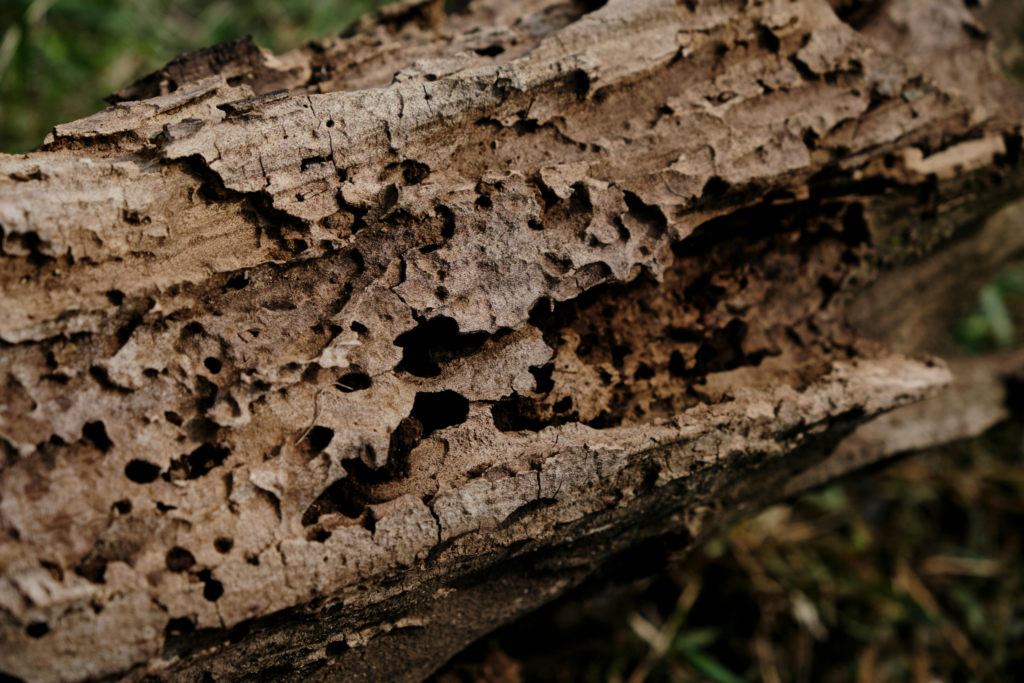
Termites and bed bugs often need a hybrid approach, combining green methods with targeted conventional treatments when infestations demand it.
- Ants and spiders: Respond exceptionally well to perimeter botanical treatments combined with crack-and-crevice exclusion to block re-entry.
- Cockroaches: Best handled with gel baits and boric acid placements in voids and behind appliances, which target the colony rather than just visible pests.
- Mosquitoes: Managed with larvicide treatments in standing water plus yard-level botanical fogging to reduce adult populations during peak season.
- Rodents: Controlled through exclusion work, snap traps, and tamper-resistant bait stations rather than open poison that poses risks to pets and wildlife.
- Termites and bed bugs: Usually require a hybrid approach, green-leaning whenever possible, but with targeted conventional applications where the infestation demands them. A reputable provider will be transparent about which products they are using and why.
Eco-Friendly vs Conventional Pest Control: Quick Comparison
| Factor | Eco-Friendly Pest Control | Conventional Pest Control |
| Primary approach | IPM, prevention, targeted low-toxicity products | Scheduled broad-spectrum chemical applications |
| Safety for kids/pets | Very high, products chosen for low exposure risk | Moderate, usually requires keeping the family away during and after treatment |
| Speed of results | Slower for some pests; fast for ants, roaches, spiders | Often faster initial knockdown |
| Long-term effectiveness | Strong, due to root-cause prevention | Strong, but it can lead to pesticide resistance over time |
The Smarter Way to Keep Your Home Pest-Free
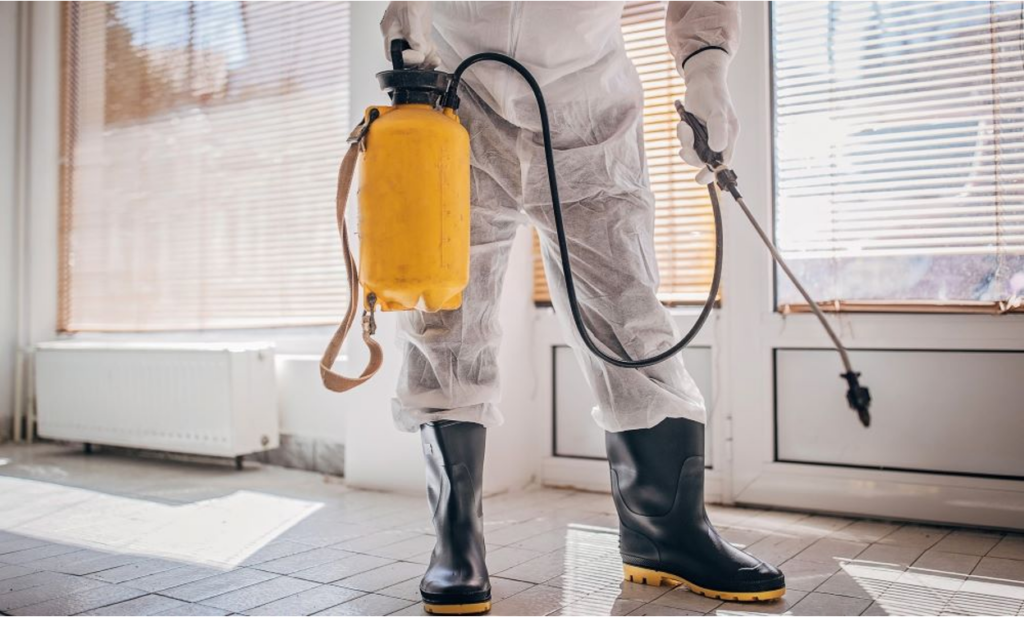
Connor’s Pest Pros offers safer, smarter IPM-based pest protection with pet and child-friendly treatments backed by a satisfaction guarantee.
Eco-friendly pest control works when an IPM-trained technician picks the right tool for the pest, places it correctly, and closes the entry points that let the problem in. For routine ants, spiders, roaches, and mosquitoes, green programs hold up well; for termites and bed bugs, a hybrid plan with selectively applied conventional products is usually the honest answer.
Connor’s Pest Pros brings IPM-trained technicians, pet and child-friendly treatments, and same-day service to homes across Virginia, Maryland, and the D.C. metro area, with seasonal adjustments and free re-treatments under our 100% satisfaction guarantee.
Schedule Your Same-Day Service →
Frequently Asked Questions (FAQs)
Is eco-friendly pest control safe for pets and children?
Yes, when applied by trained professionals. Green products are specifically chosen for low mammalian toxicity and placed in targeted locations, such as cracks, voids, and bait stations, rather than sprayed broadly. Most treatments allow you and your pets back in the treated area very quickly, often within minutes.
How long does eco-friendly pest control last?
Botanical sprays typically last two to four weeks, while mineral dusts and bait systems can remain active for several months. Most green programs run on a quarterly schedule to maintain protection, though active infestations may need more frequent visits during the initial knockdown phase.
Does eco-friendly pest control work on termites and bed bugs?
It can, but these pests usually require a hybrid approach. Severe termite or bed bug infestations often require targeted conventional products, combined with green tactics such as heat treatment, exclusion, and monitoring. A good provider will explain the trade-offs clearly before treatment.
Can I do eco-friendly pest control myself?
You can prevent infestations by sealing entry points, removing food sources, fixing moisture issues, and using diatomaceous earth in safe areas. For active infestations, professional application is essential because product placement, dosage, and pest identification significantly affect results. DIY often misses hidden colonies and entry points.
What makes Connor’s Pest Pros different from other pest control companies?
At Connor’s Pest Pros, we combine family-owned attention with professional credentials, including National Pest Management Association membership, Angi Super Service Award recognition, and 415+ five-star reviews. Our 100% satisfaction guarantee includes free re-treatments, same-day service availability, and pet and child-friendly product selection across all our residential plans in the D.C. metro area.
*Price estimates reflect current market costs and may vary based on your specific situation. For a personalized quote tailored to your needs, contact us directly orrequest your FREE estimate today!