
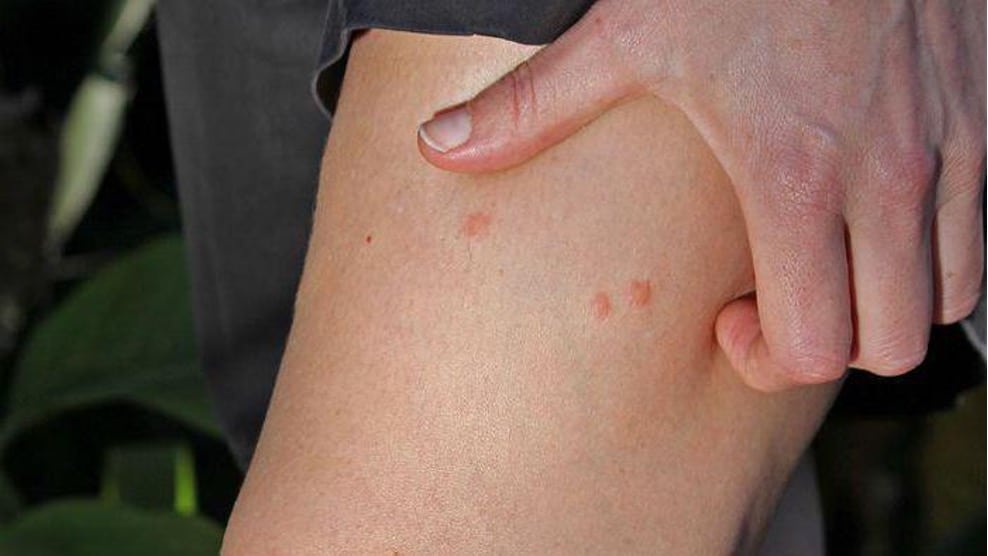
Key Takeaways
- Gnat bites, usually from biting midges (no-see-ums) just 1–3 mm long, leave a single reddish, swollen welt, while flea bites appear as small, firm red dots in clusters.
- Gnat bites land on exposed skin such as the arms, neck, and legs, while flea bites gather in tight groups on the lower legs and feet.
- Gnat bites burn the moment midges cut the skin and can swell from an allergic reaction, while flea bites cause little pain and lead to persistent itching.
- Soap and water, 10–20 minutes of ice, 0.5%–1% hydrocortisone cream, and an oral antihistamine treat most bites, but worsening swelling or infection needs a healthcare provider.
- Connor’s Pest Pros inspects homes and yards to find the gnats or fleas behind repeat bites, then builds a custom plan to remove them at the source.
Where You Were Bitten Says More Than How the Bite Looks
The place you were bitten is the most reliable way to tell a gnat bite from a flea bite, since bites after time outdoors near damp ground or standing water point to biting midges, while bites at home, especially after time with pets, point to fleas. Appearance is a weaker clue at first because both pests leave small, itchy red bumps, and neither insect is easy to spot while it feeds.
The setting also shows where to focus your fix. Home care soothes the bite you already have, but gnat bites call for outdoor changes, while bites picked up indoors usually mean fleas have settled on a pet or in the home, where they keep biting until you remove the source.
Connor’s Pest Pros traces repeat bites back to the source with a property inspection, so we can target the pest actually biting your family.
Connor’s Pest Pros: Trusted, Family-Owned Pest Control
4.9★ Google Rating | 100% Satisfaction Guarantee

Protect Your Home, Pest-Free:
Get customized, ongoing pest control that adjusts with the seasons, covering everything from ants and spiders to termites, rodents, and bed bugs. Same-day or next-day visits mean fast relief.
What Sets Us Apart:
✓ 950+ 5-star reviews on Google
✓ Family-owned, D.C. metro area
✓ Member of the NPMA
✓ Angi Super Service Award Winner (2024)
✓ 100% Satisfaction Guarantee
Don’t let pests take over your home. Act now.
Request Your Free Estimate →What do gnat bites & flea bites look like?
Gnat Bite Pattern & Pictures
Biting midges, also called no-see-ums or punkies, are tiny flies only 1–3 mm long, but they have cutting mouthparts that slice into the skin. That cutting bite is why a gnat bite can hurt far more than its size would suggest. The mark usually shows up as a reddish welt. The surrounding skin can look swollen or inflamed, especially if a local allergic reaction develops.
Gnats usually bite exposed skin on the arms, neck, and legs because they can’t easily bite through clothing. The bites tend to be spaced out across that skin, and because midges are so hard to see, most people don’t notice them until the burning starts.
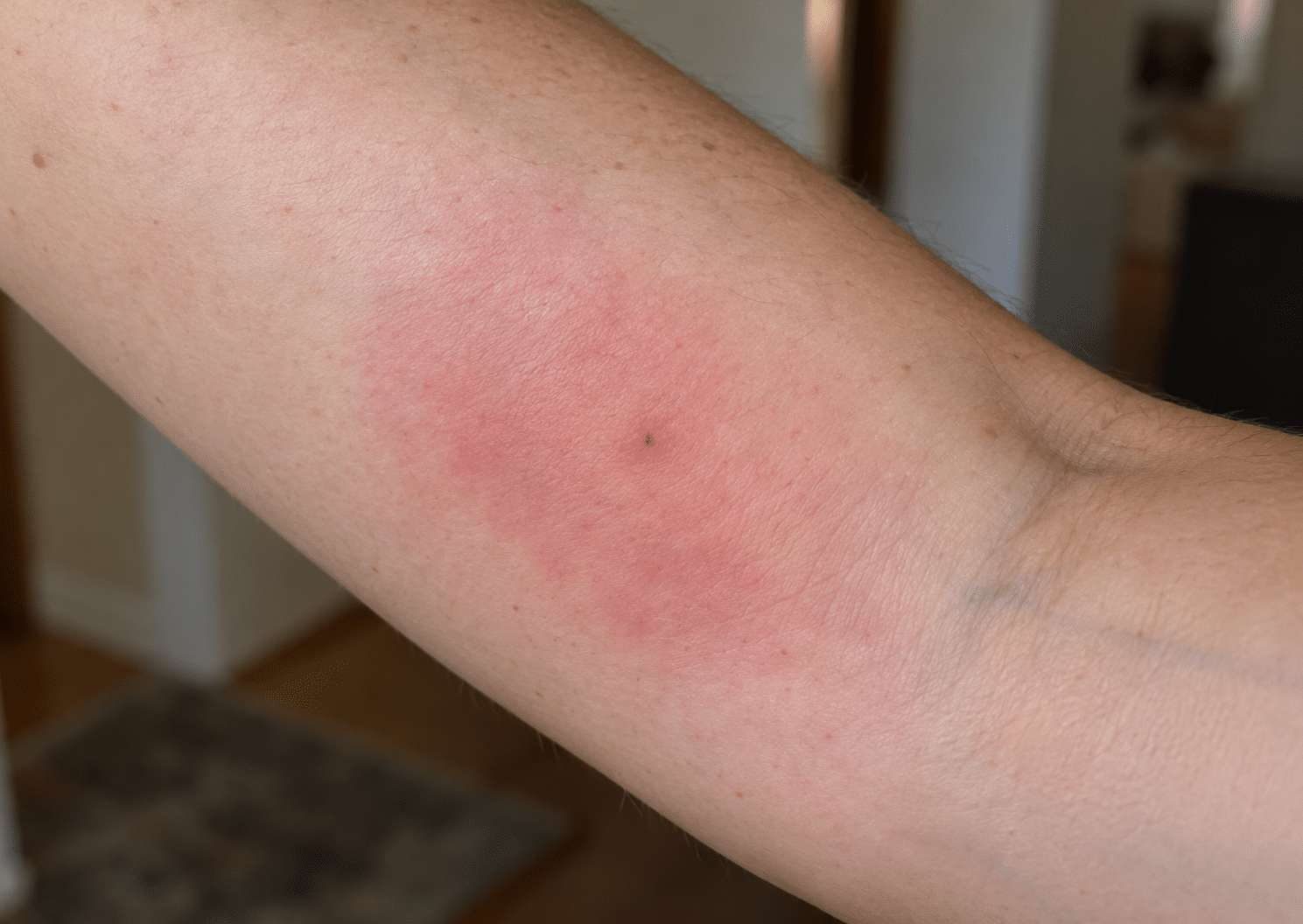
Biting midges have cutting mouthparts that slice skin, so their bites often leave a reddish, swollen welt that hurts more than expected.
Flea Bite Pattern & Pictures
Flea bites look smaller and firmer, appearing as tiny red dots instead of a single swollen welt. Fleas are small insects that feed on animal or human blood, and they often bite several times in the same area, leaving dots grouped in small clusters or short rows; this grouping is one of the more reliable clues when comparing the two bite types. They also lack the swollen, cut look of a gnat bite.
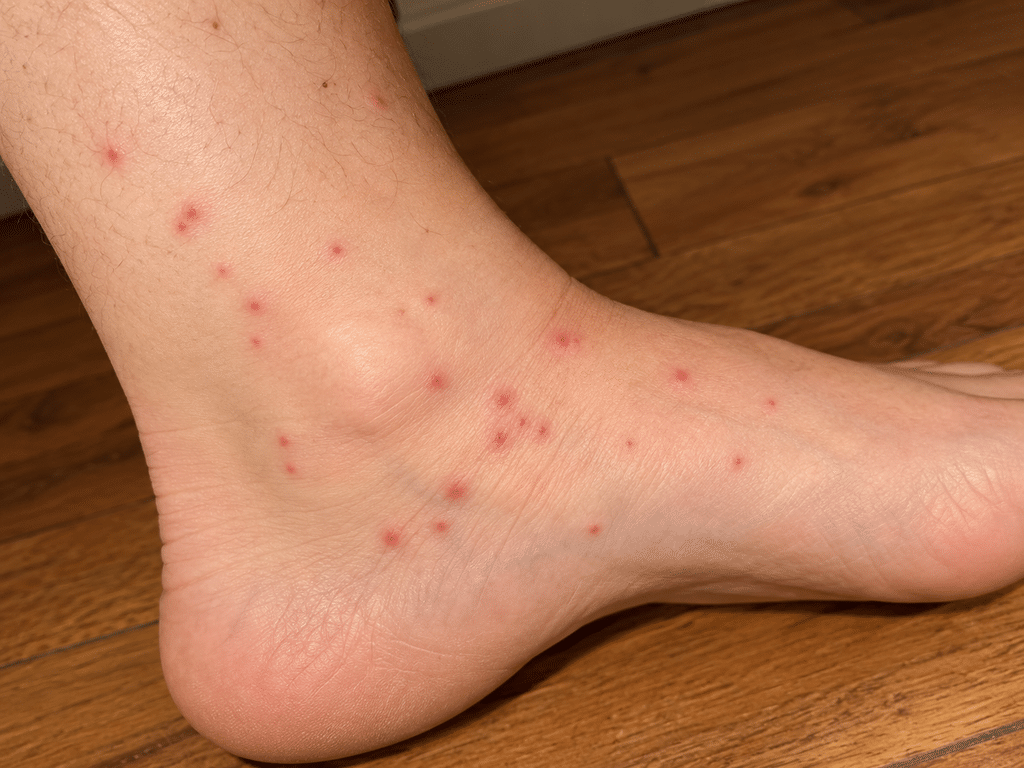
Flea bites appear as tiny, firm red dots, often grouped in small clusters or short rows, without the swollen welt of gnat bites.
Check the Pest Source
Biting midges are tied to outdoor conditions, often breeding in damp ground or standing water, so bites that follow time outside near water usually point to them. Flea bites more often trace back to a pet, a recent visit from an animal, or wildlife that has gotten close to the home. Fleas move onto people when their preferred host isn’t around, which is why a flea problem often starts with a pet carrying them inside.
Symptoms: Gnat Bite vs Flea Bite
Gnat Bite Symptoms
Gnat bites, caused by biting midges, are known for causing sharp, burning pain at the moment of the bite. Afterward, the site often develops into a reddish welt accompanied by itching. In some cases, a local allergic reaction sets in, which can intensify the itching and swelling well beyond what the initial bite suggested.
Flea Bite Symptoms
Flea bites, by contrast, typically skip the burning sensation and go straight to itchiness and irritation. Fleas prefer animal hosts, but they’ll bite people when a cat, dog, or other host isn’t available, which is why flea bites often show up after spending time around pets or in a home with a flea problem. The itching from flea bites can be persistent, and scratching the area can sometimes make the irritation worse rather than better.
Treatment for Gnat & Flea Bites

Most gnat and flea bites heal at home with washing, a cold compress for 10–20 minutes, and anti-itch care like hydrocortisone or antihistamines.
At-Home Bite Care
Most insect bites are mild and can be treated at home, and Mayo Clinic’s first-aid guidance lists the same basic steps for mild insect bite reactions that work for both gnat and flea bites:
- Move away from where you’re being bitten.
- Wash the bite with soap and water.
- Apply cold water or ice to the bite for 10–20 minutes.
- Raise the affected arm or leg if that’s where you were bitten.
- Apply calamine lotion or a baking soda paste to calm irritation.
- Use a 0.5%–1% hydrocortisone cream on the bite.
- Take an oral antihistamine to reduce itching.
- Use a nonprescription pain reliever if needed.
A cold compress helps ease the pain and swelling that often come with gnat bites, while antihistamines are a common choice for flea bites since itching is the main complaint.
When to Call a Healthcare Provider
Contact a healthcare provider if swelling worsens, signs of infection appear around the bite, or the person who was bitten starts to feel unwell. These signs point to something beyond a typical bite reaction and should be looked at.
Gnat Bite vs Flea Bite Comparison Table
| Category | Gnat Bite | Flea Bite |
| Bite Appearance | Reddish, swollen welt | Small, firm red dots in clusters or rows |
| Common Location | Exposed skin: arms, neck, legs | Lower legs and feet |
| Usual Symptoms | Sharp burning pain, itching, possible allergic swelling | Itching and irritation, minimal initial pain |
| Likely Source | Biting midges near standing water or damp outdoor areas | Fleas carried by pets, wildlife, or stray animals |
| Home Treatment | Cold compress, calamine lotion, hydrocortisone cream, antihistamine | Cold compress, calamine lotion, hydrocortisone cream, antihistamine |
Connor’s Pest Pros Helps Stop Repeat Bites
Matching a bite to its source makes home care easier, but recurring bites point to a pest problem a cold compress can’t solve. Gnats tied to damp outdoor areas and fleas brought in by pets or wildlife stop only when you address the source.
Connor’s Pest Pros inspects homes and yards across Metro DC and broader NOVA to find what is drawing biting pests in, and we build a plan around the specific pest on your property. To find out what is behind the bites in your home, request a free estimate from our team.
Frequently Asked Questions (FAQs)
Do gnat bites look like flea bites?
Gnat bites and flea bites can look alike at first, since both leave red, itchy bumps, but they differ on a closer look. Gnat bites are usually larger, swollen welts scattered across exposed skin, while flea bites are smaller, firmer dots that cluster near the ankles.
Why are flea bites usually on ankles?
Fleas live and move at floor level, so the first exposed skin they reach is usually the ankles, feet, and lower legs. Bites grouped in these areas after time around pets, or in a home where fleas have settled, are one of the clearest signs that fleas are the cause.
How long do gnat and flea bites last?
Most gnat and flea bites are mild and settle with basic home care such as cold compresses, hydrocortisone cream, and antihistamines. Gnat bites that trigger a local allergic reaction can stay swollen and itchy longer, and any bite that worsens or shows signs of infection should be checked by a healthcare provider.
Can gnat bites or flea bites make you sick?
Most gnat and flea bites cause only itching, swelling, and mild pain, but some insect bites can spread disease, so symptoms beyond the bite itself deserve attention. Contact a healthcare professional if swelling worsens, the bite shows signs of infection, or the person who was bitten starts to feel unwell.
Can Connor’s Pest Pros help with biting pests?
Connor’s Pest Pros doesn’t diagnose or treat bites, but inspects homes and yards to find the fleas, gnats, or other pests causing them, then builds a custom pest control plan for what is actually on the property. Same-day or next-day visits mean a biting pest problem won’t drag on for weeks.