
Key Takeaways
- Ant mounds dislodge grass roots, smother turf, and create uneven patches, so treating active colonies early is what stops a lawn from going thin or bald.
- Most homeowners reach for contact sprays first, which only kill visible workers and leave the queen laying replacements underground, so the colony rebuilds within weeks.
- The permanent fix is killing the queen with slow-acting baits or pet-safe alternatives like food-grade diatomaceous earth and beneficial nematodes, and Connor’s Pest Pros handles the stubborn cases (fire ants, carpenter ants, repeat invasions) with same-day, family and pet-friendly treatments.
- Professional ant treatments average around $250 per visit and typically clear an infestation in two to three weeks, while another season of failed DIY sprays usually costs more in product, time, and lawn damage.
- Connor’s Pest Pros treats every yard in the D.C. metro area with pet and child-safe products, backs every visit with a 100% satisfaction guarantee, and offers free re-treatments until the ants are gone.
Why Lawn Ants Are More Than a Cosmetic Problem
To permanently get rid of ants in your lawn, kill the queen with slow-acting baits or pet-safe alternatives like food-grade diatomaceous earth and beneficial nematodes, then keep the turf dense and well-watered so a new colony can’t move in. Contact sprays only take out visible workers, which is why infestations keep returning. For fire ants, carpenter ants, or yards with several spreading mounds, a professional treatment from a local crew like Connor’s Pest Pros clears the colony faster and more reliably than another round of DIY.
The right approach depends on the species, the size of the infestation, and how much you need to keep pets and kids out of the treated area. Identifying the ants first, choosing methods that target the colony instead of just the workers, and fixing the lawn conditions that drew them in are the three pieces that turn a temporary fix into a permanently ant-free yard.
|
Connor’s Pest Pros: Family-Owned Pest Control Experts Choose Your Pest Protection Solution:
Customer Praise:
★★★★★ “Quick to answer my call and available same-day… I recommend them to anyone looking for pest control in NOVA.” – Jacquelyn L.
Why Choose Connor’s Pest Pros:
|
Identify the Ant Species Before You Treat
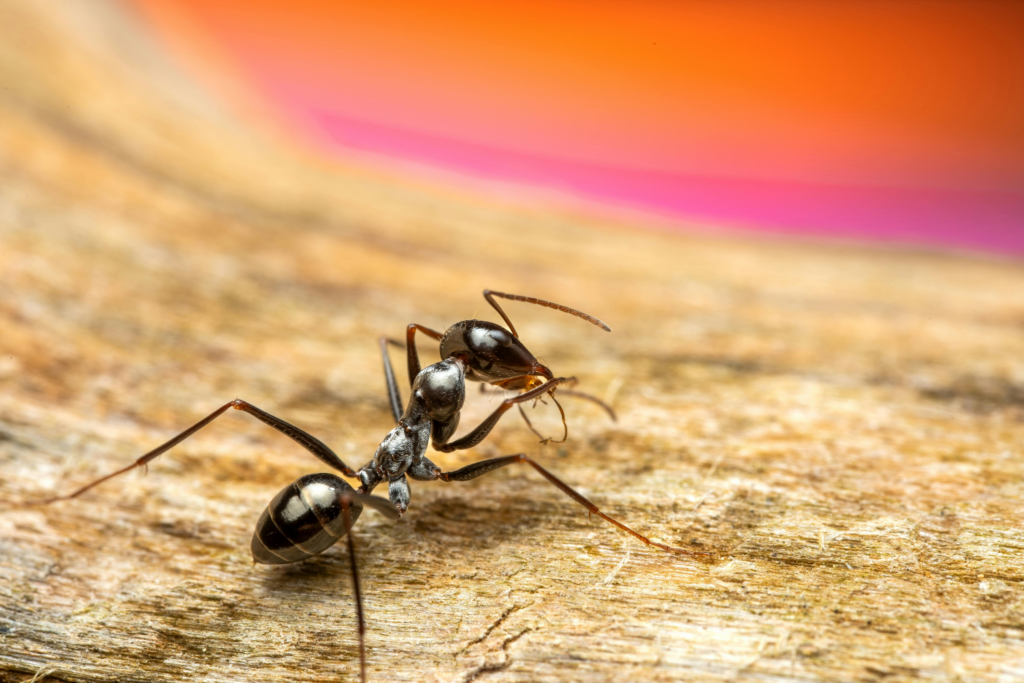
Identifying ant species correctly is essential, since treatments for fire ants, field ants, and carpenter ants differ significantly.
Treatment that works on pavement ants will not work on fire ants, and using the wrong product wastes time while the colony grows. Walk the lawn and look at the mounds. Fire ant mounds appear dome-shaped and loosely built, can measure up to 18 inches wide and 8 to 12 inches tall, and lack a visible opening because the ants use underground tunnels to exit. Disturbing one releases a swarm of reddish-brown ants with stingers, confirming they’re fire ants and indicating you need targeted bait.
Field ants and other lawn-dwelling species build mounds that break off roots and root hairs, dry out the soil, and leave the turf in the affected area thin and unattractive. Large mounds can also smother grass and damage lawn mower blades. Carpenter ants are larger and tunnel through wood rather than soil, so if you see sawdust-like debris near tree stumps or fence posts, the colony is woodborne and needs a different approach.
Pet-Safe Natural Remedies That Actually Work
For light to moderate infestations, several natural options eliminate ants without putting pets, kids, or pollinators at risk. The trick is hitting active mounds directly and reapplying as needed.
Food-grade diatomaceous earth (DE) is the most reliable natural option. The fine powder is harmless to mammals, but the microscopic edges pierce ant exoskeletons and dehydrate them within days. Sprinkle a thin layer directly on mounds, along trails, and at yard entry points, then reapply after rain or watering since moisture deactivates it.
Beneficial nematodes are another standout. These microscopic organisms enter ants’ bodies, release bacteria that kill them from within, and are safe for plants, pets, and pollinators. Mix them with water, apply to damp soil around mounds, and water again afterward to help them reach the colony.
Other pet-safe tactics include soapy water sprays (a few tablespoons of dish soap per gallon, poured directly into mounds), boiling water for isolated nests away from grass roots, and vinegar-water solutions to disrupt scent trails. Cinnamon, citrus peels, and coffee grounds work as repellent barriers around garden beds and patios, but won’t kill an established colony on their own.
Lawn-Safe Baits & Granules for Permanent Colony Kill
Sprays kill the ants you can see, while baits can go further and eliminate the queen. Slow-acting outdoor ant baits work because foragers carry the bait back to the nest, where it spreads through the colony and reaches the egg-laying queen. Without her, the colony collapses.
Look for granular products labeled “lawn-safe” or “pet-safe once dry” and apply them directly on mounds and in a perimeter band around the yard. Water lightly after application to activate the granules and carry the active ingredient into the soil. Avoid mowing or heavily watering for at least 24 to 48 hours so workers have time to find and transport the bait.
For fire ants specifically, the two-step method, broadcast bait across the yard followed by individual mound treatment with a drench or granule, gives the most reliable kill. Single-mound treatments alone often cause the colony to relocate rather than die out.
Lawn Care Habits That Prevent Reinfestation
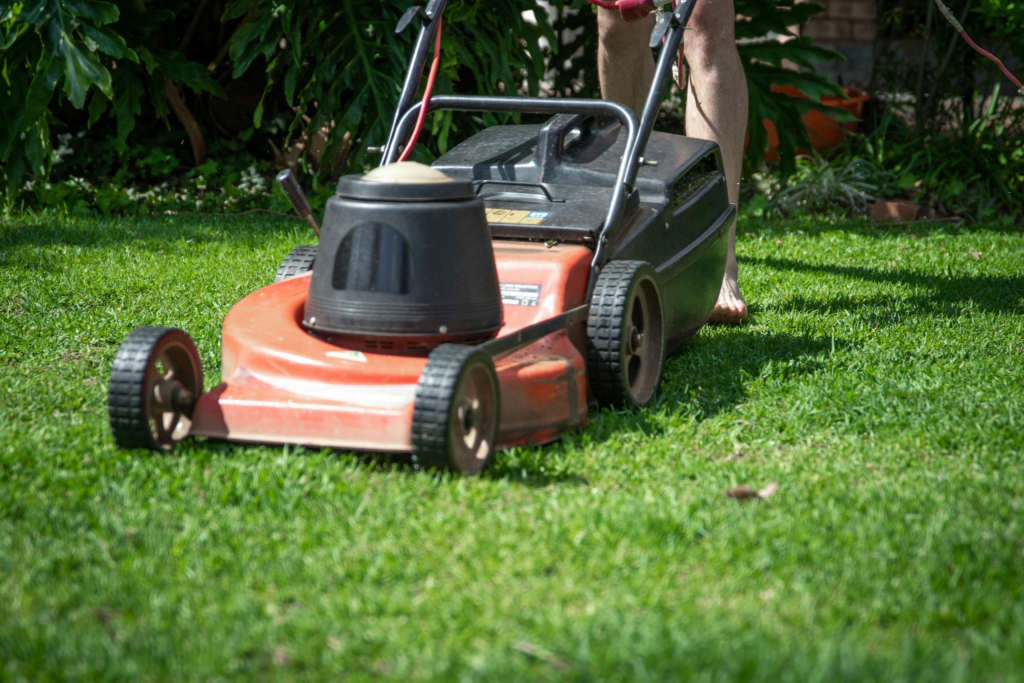
Maintaining tall grass, deep watering, annual aeration, and yard cleanliness creates conditions that discourage ants from returning.
Ants nest in lawns that suit them: dry, compacted soil with thin grass coverage and bare patches. Fixing those conditions makes the yard inhospitable, so colonies don’t return after treatment. Some things to do include:
- Mow at the higher end of your grass type’s recommended range. Taller blades shade the soil, retain moisture, and crowd out the dry, sun-baked spots ants prefer.
- Water deeply and infrequently (about 1 inch per week) to encourage deep roots and a denser turf stand.
- Aerate annually to relieve compaction and improve drainage, since standing water and damp pockets attract ants searching for moisture. Overseed bare patches promptly so ants don’t claim them first.
- Keep outdoor trash cans sealed, clean up fallen fruit and pet food bowls, and seal cracks in pavement and foundations to prevent ants from entering the home.
When DIY Isn’t Enough: Professional Treatment Costs
Some infestations outpace home remedies, including multiple mounds across the yard, fire ant colonies, carpenter ants near the house, or repeat invasions despite consistent treatment. At that point, professional intervention is faster and cheaper than another season of failed DIY attempts.
Angi reports that professional ant exterminators cost an average $250 per visit, with most homeowners paying between $200 and $300 for a standard treatment. This Old House reports that ant extermination costs range from $80 to $500, with follow-up appointments costing $40 to $70 each for ongoing maintenance. Outdoor lawn-focused treatments tend to fall on the lower end of that range, while fire ant or carpenter ant jobs run higher.
Recurring service plans usually deliver better long-term value than one-off visits because they include preventive perimeter treatments and seasonal applications timed to ant activity peaks.
The Fastest Way to a Permanently Ant-Free Lawn
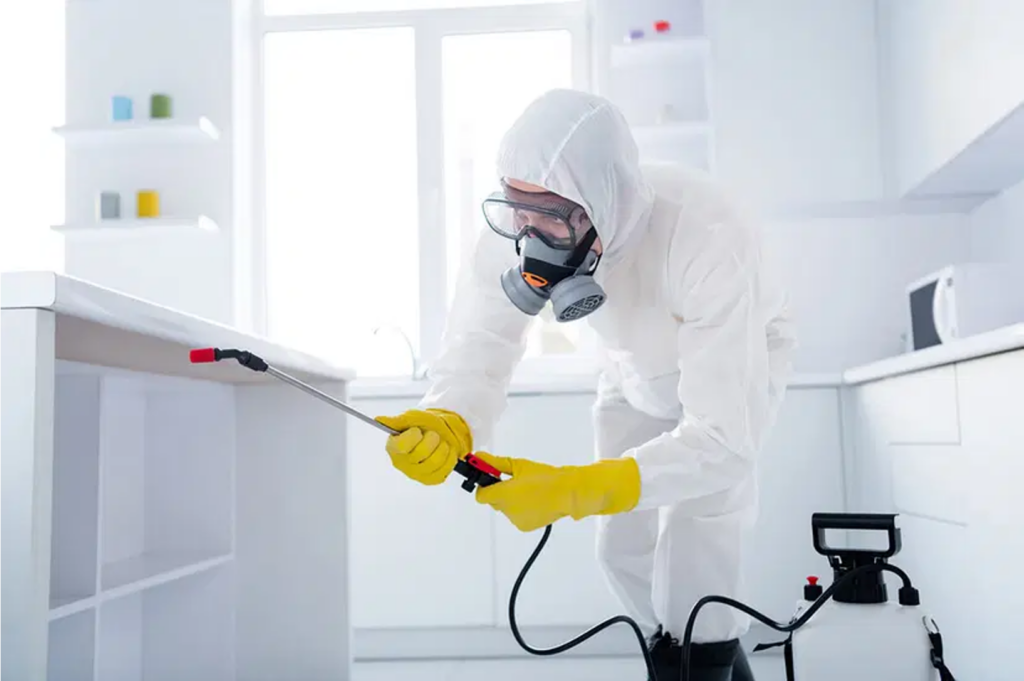
Connor’s Pest Pros offers pet-safe, same-day ant treatments backed by a satisfaction guarantee with free re-treatments until ants are gone.
Getting ants out of your lawn for good comes down to two things: killing the queen and keeping the turf in shape so a new colony doesn’t move in behind the last one. Pet-safe DIY methods handle small problems well, but once mounds multiply or fire ants show up, the time and money you spend on repeat home treatments quickly outpace a single professional visit.
That’s where we come in. At Connor’s Pest Pros, we treat every lawn in the D.C. metro area with pet and child-friendly products that target the colony at the source, every visit is backed by our 100% satisfaction guarantee with free re-treatments until the ants are gone, and same-day service is available when the yard can’t wait.
Schedule Your Same-Day Ant Treatment With Connor’s Pest Pros Today →
Frequently Asked Questions (FAQs)
Will ants permanently kill the grass in my lawn?
Ants don’t eat grass, but their tunneling dislodges roots, and their mounds smother turf, leaving brown or bald patches over time. Field ants and fire ants are the worst offenders. Treating active colonies early and overseeding affected spots usually allows the lawn to recover fully within one growing season.
Are ant mounds dangerous to pets and children?
Most lawn ants only bite if disturbed and pose minimal risk. Fire ants are the exception, since their stings cause painful welts and can trigger allergic reactions. If your yard has dome-shaped mounds without center openings, keep pets and kids away until treated, and choose pet-safe products or professional service.
How long does it take to permanently get rid of lawn ants?
Slow-acting baits typically eliminate a colony within one to four weeks because workers need time to carry the bait to the queen. Natural remedies like diatomaceous earth may take longer and need reapplication. Professional treatments often result in a noticeable reduction within days, with full elimination in 2 to 3 weeks.
Does pouring boiling water down ant hills work?
Boiling water kills ants on contact and can collapse small, shallow nests, but established colonies usually have tunnels several feet deep that the water never reaches. It also damages the surrounding grass roots. Use it as a quick fix for isolated mounds, not as a primary control method for the whole lawn.
Why should I choose Connor’s Pest Pros over other ant control companies?
We’re a family-owned business serving the D.C. metro area with 415+ five-star reviews, an Angi Super Service Award (2024), and membership in the National Pest Management Association. At Connor’s Pest Pros, we offer same-day service, pet and child-friendly treatments, and a 100% satisfaction guarantee with free re-treatments until your lawn is ant-free.
*Price estimates reflect current market costs and may vary based on your specific situation. For a personalized quote tailored to your needs, contact us directly or request your FREE estimate today!