
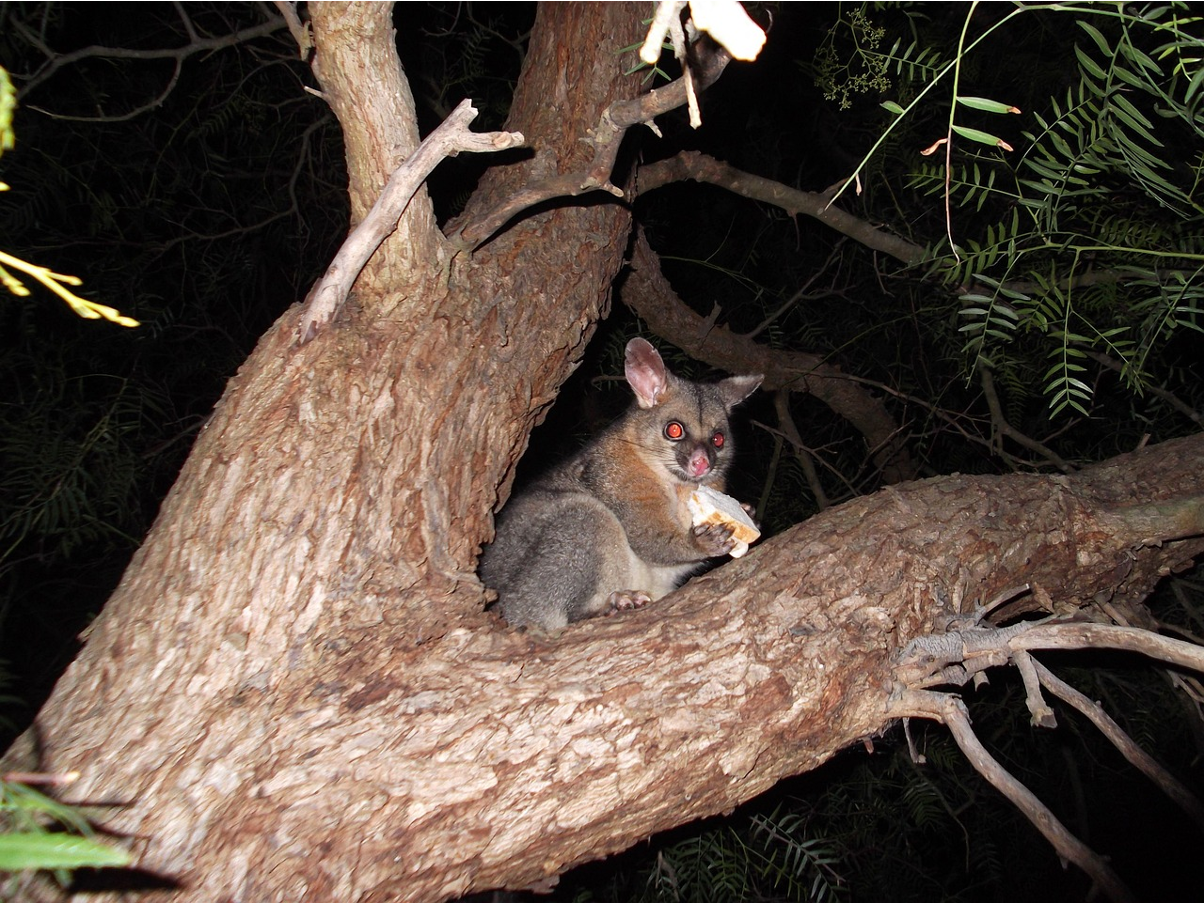
Key Takeaways
- Possum droppings measure 1 to 2 inches long with curled, tapered ends, while raccoon droppings run 2 to 3 inches long with blunt, flat ends and visible seeds or corn kernels.
- The clearest field signal is location: raccoons return to the same latrine site repeatedly, while possums scatter their droppings randomly across travel paths.
- Identifying the species directly affects cleanup, since raccoon scat carries roundworm risk while possum scat carries milder bacteria, and Connor’s Pest Pros handles both with the right protocol.
- Raccoon roundworm eggs can survive in soil for years and require EPA-approved sanitization, while possum droppings typically only call for standard PPE and disinfection.
- Connor’s Pest Pros provides same-day inspections and species-specific sanitization across the DC metro area, paired with humane removal and exclusion work to keep both possums and raccoons out.
Possum Poop vs Raccoon Poop: What You Need to Know
Possum droppings are light brown, 1 to 2 inches long, with curled, tapered ends, while raccoon droppings are dark brown to nearly black, 2 to 3 inches long, with blunt ends and visible seeds or corn kernels. The clincher is location: raccoons return to the same latrine site repeatedly, while possums scatter their waste randomly across travel paths. Which animal you’re dealing with determines how risky the cleanup is.
Identifying the species matters because raccoon roundworm eggs survive for years in soil and require EPA-approved sanitization, while possum droppings carry milder bacteria that standard disinfection handles. Getting that call wrong can leave a real health hazard on your property.
|
Connor’s Pest Pros: Family-Owned Pest Control Experts Choose Your Pest Protection Solution:
Customer Praise:
★★★★★ “Quick to answer my call and available same-day… I recommend them to anyone looking for pest control in NOVA.” – Jacquelyn L.
Why Choose Connor’s Pest Pros:
|
What Are the Key Identifiers of Possum Poop?
Possums (properly called opossums in North America) are marsupials with dietary habits that affect what their droppings look like. Their omnivorous diet includes insects, fruits, small vertebrates, and occasionally carrion, giving their scat a distinctive look.
How Big Is Possum Poop?
Possum droppings typically measure between 1 and 2 inches in length and about ¾ of an inch in diameter. The size can vary slightly depending on the age and size of the possum, but they’re generally consistent in their cylindrical shape.
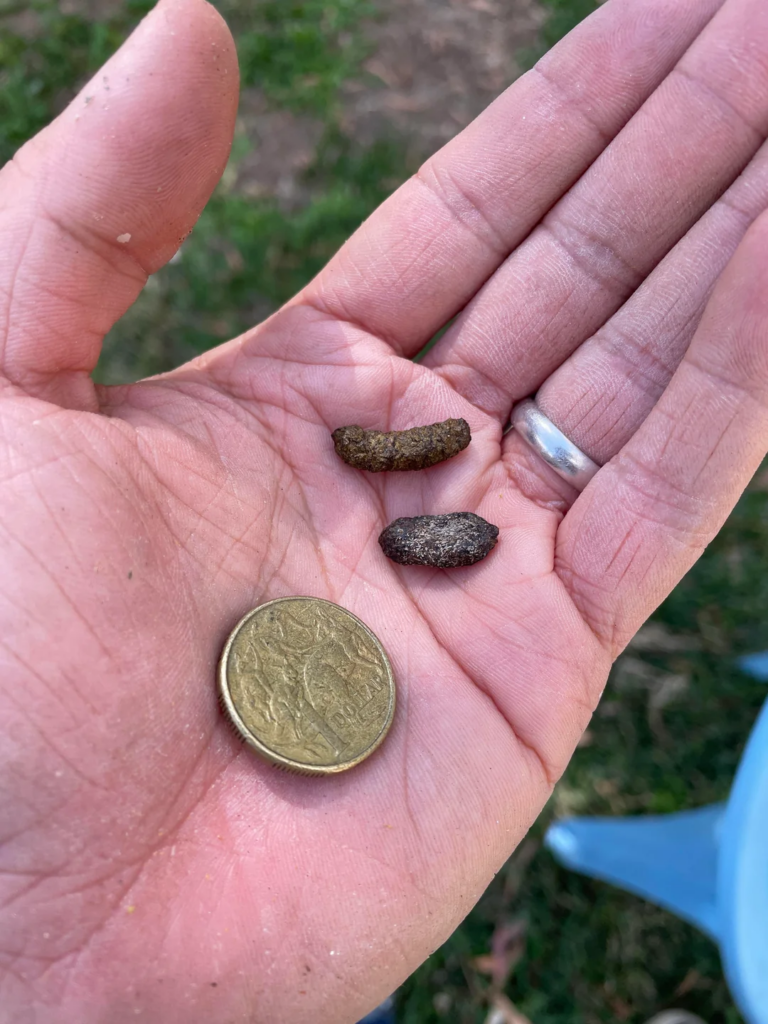
What sets possum droppings apart is their distinctly tapered ends, often described as coming to a point or having a “curled” appearance. (Image source: Reddit)
This characteristic taper is one of the most reliable ways to distinguish possum scat from that of other wildlife. If you examine multiple droppings, you’ll notice this consistent pattern, unlike raccoon droppings, which have flat, blunt ends.
When fresh, possum droppings maintain their form quite well, though they’ll begin to break down and crumble as they age. This consistency can also help distinguish them from other animal waste that might appear in similar locations.
Color & Texture Characteristics
Possum droppings typically present a light to medium brown color, though this can vary based on the animal’s recent diet. When fresh, the droppings have a moist appearance with a somewhat glossy sheen that dulls as they dry out.
The texture is relatively smooth compared to other wildlife droppings, though you may notice some roughness where undigested insect parts or small seeds are present.
Unlike some animal droppings, possum droppings typically do not have a strong or distinctive odor unless they’re present in large quantities. This can make them harder to detect by smell alone, especially when compared to the more pungent droppings of animals like foxes or skunks.
Where You’ll Find Possum Droppings
Possums leave their droppings in a scattered, random pattern rather than in a single designated spot.
You may find possum scat along their travel paths: under trees, near gardens, beside fences, or even on patios and decks. Indoors, such as in attics or crawl spaces, possums continue this behavior by leaving small deposits throughout the area as they move around.
This scattered distribution, rather than concentrated piles, is one of the clearest signs that possums are active on your property.
What Possum Poop Tells You About Their Diet
Examining possum droppings can hint at their dietary habits. As opportunistic omnivores, possums eat a diverse diet that can include insects, fruits, berries, small vertebrates, carrion, and even human food waste.
This varied diet is often reflected in their droppings, which may contain visible remains of seeds, berry skins, insect parts, and occasionally small bones.
The contents of possum droppings can change seasonally as their food sources become available. In summer and fall, you might notice more fruit seeds and berry remnants, while winter droppings might show more evidence of insect consumption and scavenging.
These seasonal changes can help wildlife enthusiasts track how local possums adjust their diet through the year.
What Are the Key Characteristics of Raccoon Poop?
Typical Size & Shape of Raccoon Droppings
Raccoon droppings are notably larger than possum scat, typically measuring 2–3 inches in length and about ½ to ¾ inch in diameter.
They have a tubular, elongated shape that can sometimes be mistaken for dog feces, though raccoon droppings tend to be more uniform in width throughout. The color ranges from dark brown to nearly black, especially when fresh, gradually lightening somewhat as they age and dry out.
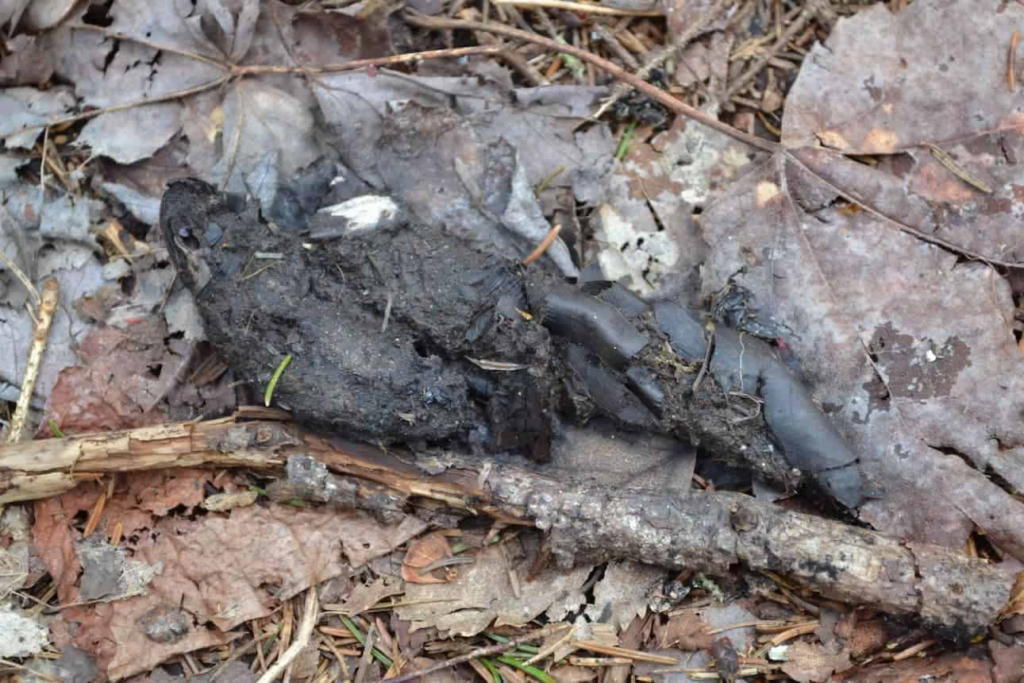
Raccoon droppings leave behind evidence that shows their habits, diet, and movement patterns. (Image source: Nature Mentoring)
The Telltale Blunt Ends & Segmentation
The most distinctive feature of raccoon droppings is their blunt and flat ends, which contrasts with the tapered points of possum scat.
This characteristic gives raccoon droppings a somewhat tubular or cylindrical shape with squared-off ends. Additionally, raccoon scat often displays visible segmentation, giving it a slightly broken or crumbly appearance, especially as it dries.
When examining raccoon droppings, you’ll typically notice a higher content of visible undigested food materials compared to possum scat. Raccoons have less efficient digestive systems, so their droppings frequently contain berry seeds, corn kernels, and other plant materials that pass through relatively intact.
This abundance of visible food remains is another reliable indicator that you’re looking at raccoon waste rather than possum droppings.
Raccoon Latrines: Why Location Matters
One of the most distinctive behavioral traits of raccoons is their habit of establishing dedicated latrine sites.
Unlike possums, which defecate randomly throughout their territory, raccoons repeatedly use the same locations to deposit their waste. These communal toilet areas, known as latrines, can contain substantial accumulations of droppings and serve as a clear indication of raccoon presence.
Raccoons typically choose elevated locations for their latrines, including:
- Tree stumps and large rocks
- Fallen logs and woodpiles
- Attic spaces and crawlspaces
- Rooftops and decks
- Horizontal surfaces at the base of trees
- Forks of tree branches
Seasonal Changes in Raccoon Scat
The appearance of raccoon droppings changes by season as their food sources shift.
During summer and fall, when fruits and berries are abundant, raccoon scat often appears darker and contains visible berry seeds, fruit skins, and sometimes corn kernels. The high moisture content of their summer diet can make these droppings appear shinier and more moist.
Winter droppings typically contain more evidence of animal proteins and human refuse, as raccoons shift to scavenging when plant foods become scarce. You might notice crayfish shells, insect parts, or even small bones in winter raccoon scat.
Spring droppings often show the shift between these dietary patterns, containing a mix of early fruits, insects, and continued evidence of scavenging.
Possum Poop vs Raccoon Poop: Comparison Table
| Characteristic | Possum Poop | Raccoon Poop |
| Size | 1–2 inches long, ¾ inch diameter | 2–3 inches long, ½–¾ inch diameter |
| Shape | Tubular with tapered ends | Tubular with blunt, flat ends |
| Color | Light to medium brown | Dark brown to nearly black |
| Location | Random, scattered throughout the territory | Concentrated in latrine sites |
| Contents | Some visible seeds, insect parts | More obvious undigested berries, seeds, and corn |
| Health Risk | Lower, but carries bacteria | Higher, contains roundworm eggs |
Protect Your Family From Wildlife Health Hazards with Connor’s Pest Pros

Connor’s Pest Pros provides in-depth inspections that identify exactly what you’re dealing with and apply species-specific sanitization to protect your family.
Tapered ends and scattered piles point to possums. Blunt ends and a repeat latrine site point to raccoons. That single distinction changes the cleanup protocol, the PPE you need, and the health risk to your family during removal.
For DC metro homeowners, Connor’s Pest Pros pairs species-specific sanitization with humane removal and entry-point exclusion, so the animals leave and the droppings get handled under the right protocol. Same-day inspections mean you know what you’re dealing with before anyone touches the mess.
Contact us today for your free quote!
Frequently Asked Questions (FAQs)
Is possum poop dangerous to touch?
While possum droppings pose a lower health risk than raccoon feces, they should still be handled with caution. Possum poop can contain bacteria like Salmonella and Leptospirosis, and it can also contain parasites.
Always wear gloves when cleaning up any wildlife droppings, use a mask to avoid inhaling particles, and wash your hands thoroughly afterward.
How can I tell if raccoon poop is fresh or old?
Fresh raccoon droppings appear dark and moist with a shiny surface and pungent odor. They maintain their tubular shape with clearly defined blunt ends.
As raccoon scat ages, it begins to dry out, turning lighter in color to a brownish or grayish hue, losing its shine, and developing cracks or a crumbled appearance.
Do possums and raccoons ever share the same territory?
Yes, possums and raccoons often inhabit overlapping territories, particularly in suburban and urban environments where food sources are abundant.
Both animals are nocturnal, opportunistic omnivores, allowing them to forage in the same areas at different times. However, they typically avoid direct confrontation with each other.
What time of year am I most likely to find possum or raccoon droppings?
Both possums and raccoons remain active year-round in most regions, though their activity patterns shift seasonally. You’re likely to find the most droppings during late spring through early fall when food sources are abundant and these animals are at their most active.
During these warmer months, breeding and raising young increases their foraging activity and territorial movements.
What makes Connor’s Pest Pros the best choice for wildlife dropping identification and cleanup?
Connor’s Pest Pros brings specialized expertise in health hazard assessment, so cleanup is done safely and humanely.
We understand that raccoon roundworm requires completely different EPA-approved protocols than possum bacteria, and standard cleaning or misidentified approaches cannot address these risks.
*Image Disclaimer: Some images used in this blog post are sourced from third-party websites and remain the property of their respective owners unless otherwise stated. We do not claim ownership of these images and use them for illustrative purposes only.