
Key Takeaways
- Raccoon poop is typically tubular with blunt ends, measuring 2–3 inches long. In contrast, cat poop is generally more segmented and pointed at the ends, measuring 1–2 inches.
- Raccoon droppings frequently contain visible undigested food like berry seeds and fruit remnants, unlike cat feces, which are more uniform in texture due to complete carnivorous digestion.
- Proper identification is crucial, as raccoon feces can carry dangerous parasites, such as Baylisascaris procyonis (raccoon roundworm), that pose serious health risks and require professional sanitization.
- Location provides important clues; raccoons often create communal “latrines” in elevated areas while cats typically bury their waste or leave isolated deposits at ground level.
- Professional wildlife removal services, such as Connor’s Pest Pros, can safely address raccoon presence and properly sanitize potentially hazardous droppings using EPA-approved protocols.
Spot the Difference: Why Raccoon & Cat Poop Look Similar
Finding unfamiliar droppings in your yard can be concerning, especially when trying to determine if you’re dealing with local wildlife or neighborhood cats.
Knowing the difference between raccoon and cat feces isn’t just about curiosity; it can help you identify potential health risks and wildlife intrusions on your property. At first glance, raccoon and cat droppings can appear deceptively similar. Both are roughly cylindrical, dark in color, and can be found in yards, gardens, or near structures.
This similarity often leads to confusion among homeowners trying to identify which animal has been visiting their property. Understanding the key differences requires examining several characteristics beyond just a casual glance.
|
Connor’s Pest Pros: Family-Owned Pest Control Experts Choose Your Pest Protection Solution:
Customer Praise:
★★★★★ “Quick to answer my call and available same-day… I recommend them to anyone looking for pest control in NOVA.” – Jacquelyn L.
Why Choose Connor’s Pest Pros:
|
Physical Characteristics That Set Raccoon Poop Apart
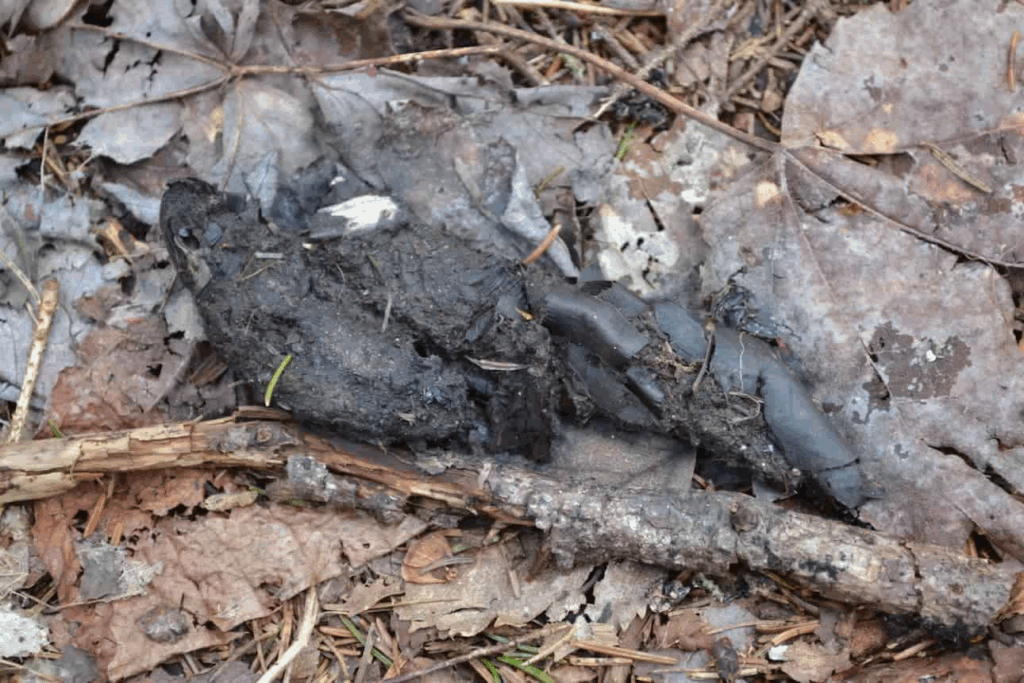
Raccoon droppings have distinctive characteristics that help differentiate them from other animal waste. (Image source: Nature Mentoring)
Size & Shape Comparison
Raccoon scat typically measures between 2 and 3 inches in length and about ½ inch in diameter, making it roughly the size of a small to medium dog’s waste.
Unlike cat droppings, which tend to be more segmented and taper to pointed ends, raccoon feces have a characteristic tubular shape with blunt, rounded ends. The droppings often appear in broken segments, rather than as a single continuous piece, and are sometimes described as resembling “broken hot dogs” in appearance.
The overall form is more cylindrical and uniform compared to cat waste, which is often more irregular in shape. Fresh raccoon droppings maintain their tubular form, while older specimens may flatten or crumble as they dry out.
When examining multiple droppings, you’ll notice raccoon scat maintains relatively consistent dimensions, unlike cat waste, which can vary considerably based on diet and hydration.
Color & Texture Differences
The color of raccoon poop ranges from dark brown to nearly black, sometimes with a reddish tint depending on recent diet. This is darker than typical cat droppings, which tend toward medium brown or tan shades.
The exterior surface of raccoon scat often has a coarser, rougher texture than the smoother surface commonly seen with cat waste. Fresh raccoon droppings appear moist and may glisten slightly, while older specimens become dry and chalky or crumble easily.
Unlike cat feces, which typically maintain a relatively consistent texture throughout, raccoon droppings often show varying textures even within a single specimen due to their diverse diet and less complete digestion of certain materials.
The Telltale “Blunt Ends” of Raccoon Droppings
One of the most reliable identifying features of raccoon scat is the distinctly blunt ends on each segment.
While cat droppings typically taper to at least one pointed end, raccoon feces segments appear almost as if they’ve been cut flat on both ends. This characteristic, blunt-ended appearance, is consistent across specimens regardless of diet or season, making it an excellent identification marker when in doubt.
The flat ends result from how raccoons’ digestive tracts process food and the sphincter muscles that shape the waste as it’s eliminated. This distinctive feature is particularly noticeable in fresh droppings before environmental factors might affect their shape.
When multiple segments are present, each typically displays this same blunt-ended characteristic.
Undigested Content: Seeds, Berries & Other Clues
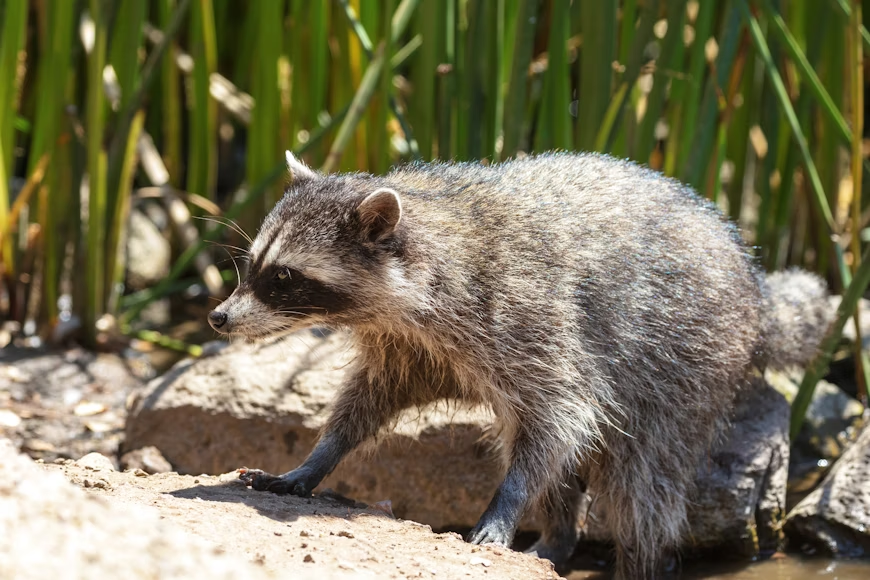
Perhaps the most definitive feature of raccoon droppings is the visible undigested content within.
Raccoons are omnivores with a diverse diet. Their digestive system often leaves evidence of recent meals intact. You’ll frequently observe:
- Berry seeds (blackberry, raspberry, etc.)
- Fruit pits and fragments
- Insect parts (beetle shells, etc.)
- Small bone fragments
- Corn kernels
- Other plant material
If you find dark tubular droppings with visible berry seeds or food fragments, you’re likely looking at raccoon scat. Cat droppings rarely contain visible undigested food particles due to their more complete digestion and carnivorous diet.
This undigested content creates a somewhat “chunky” appearance that differs significantly from the more homogeneous texture of cat waste.
The presence of seasonal foods, such as blackberry seeds in summer or apple fragments in fall, can also help confirm raccoon activity and provide insight into their local feeding habits.
Cat Poop Identification Features
Cat Droppings Characteristics
Cat droppings are generally smaller than raccoon droppings, usually measuring about 1 to 2 inches in length. They are typically segmented with at least one pointed or tapered end, and in healthy cats, the stool is firm and well-formed.
The color is most often medium brown to tan, though it may appear darker depending on the cat’s diet. Unlike some wildlife scat, cat droppings rarely contain visible pieces of undigested food.
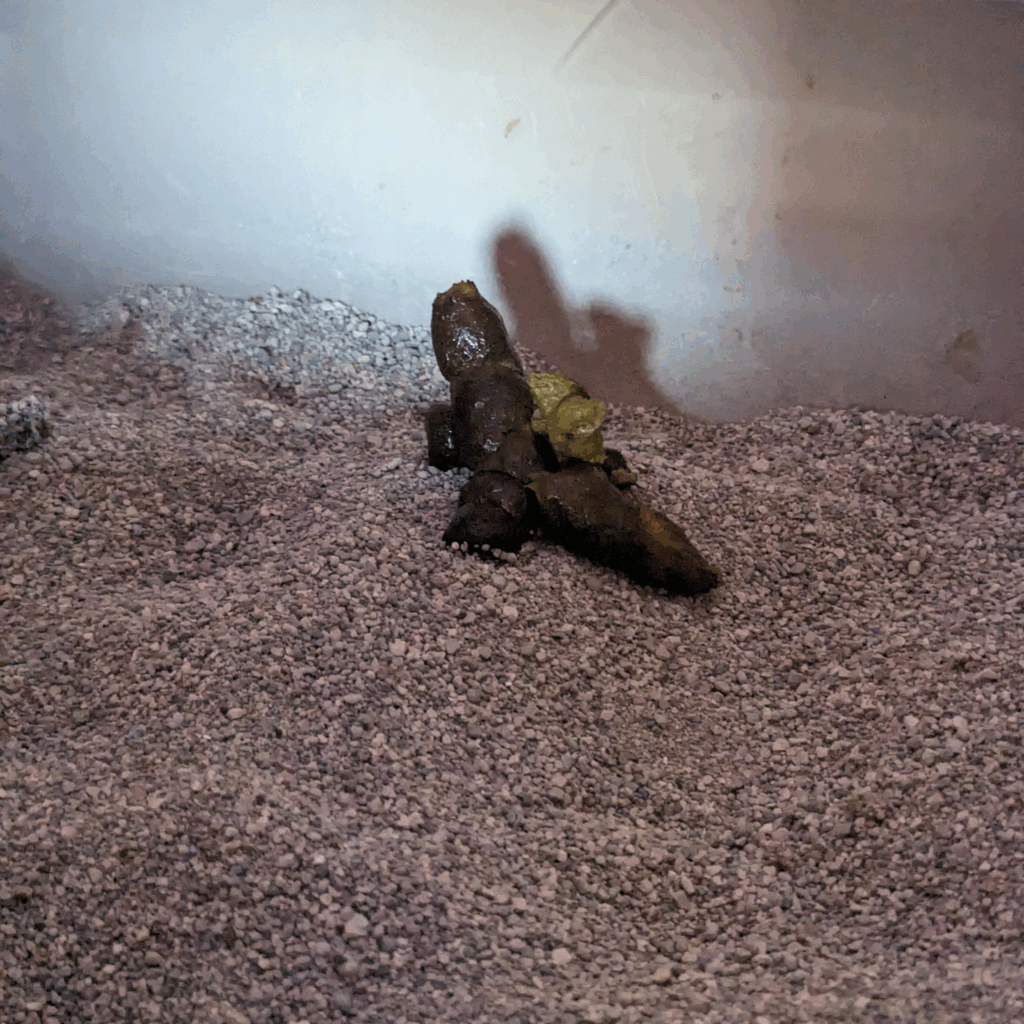
Cat droppings tend to have a stronger, more pungent odor than raccoon scat due to different digestive processes and diet composition. (Image source: Reddit)
Domestic vs. Feral Cat Droppings
The appearance of feline waste can vary significantly depending on whether it comes from a well-fed house cat or a feral cat surviving on whatever it can hunt.
Domestic cats fed commercial diets typically produce more uniform, well-formed stools with consistent coloration. Their droppings tend to have less odor variance and seldom contain visible bone fragments or other undigested materials.
Feral cats, by contrast, often produce scat that contains small bone fragments, fur, or feathers from prey animals. Their droppings may appear darker, have irregular shapes, and vary more in consistency depending on recent meals.
This characteristic can occasionally cause confusion with raccoon scat, though feral cat droppings still retain the pointed ends and smaller overall size typical of felines.
Litter-Trained Cats vs. Outdoor Deposits
Cat owners familiar with litter box cleaning will recognize the characteristic appearance of cat feces—typically firm, segmented, and often partially or entirely buried in litter.
When cats eliminate outdoors, they maintain their instinctive burying behavior, often covering their droppings with dirt or nearby debris. This burial habit provides another key differentiator from raccoon droppings, which are typically left exposed on the surface.
Finding exposed cat waste outdoors usually indicates either an interrupted elimination (perhaps the cat was startled) or possibly territorial marking behavior. Even when left exposed, cat droppings are typically found as isolated deposits rather than in the communal latrine arrangements preferred by raccoons.
Diet Impact on Appearance
A cat’s diet significantly influences the appearance of its waste.
Cats fed primarily dry commercial food typically produce firmer, drier stools with a more uniform texture and color. Those consuming wet food or raw diets often produce darker, softer droppings with slightly different odor profiles.
Unlike the varied and omnivorous raccoon diet, cats are obligate carnivores, meaning their waste seldom contains visible plant material. When plant matter does appear in cat droppings, it’s typically grass that has been deliberately consumed and passes through relatively undigested.
This differs from the berry seeds, fruit remnants, and other diverse materials commonly visible in raccoon scat.
Step-by-Step Visual Identification Guide
1. Check the Size
Begin by assessing the overall dimensions of the droppings without touching them. Raccoon scat typically measures 2–3 inches in length and approximately ½ inch in diameter, similar to droppings from a small or medium-sized dog. Look for segments that appear to be broken pieces of a tube-like structure.
Cat droppings are generally smaller, usually 1–2 inches long and more slender in diameter. If the waste appears significantly larger than what you’d expect from a house cat, you’re likely dealing with something else—possibly a raccoon or other wildlife.
Use a nearby object, such as a leaf or twig, for scale if needed, especially when taking photos for later identification or to show to wildlife professionals.
2. Note the Shape
Scrutinize the ends of the droppings. Raccoon scat has characteristic blunt, flat ends on tube-shaped segments, while cat waste typically tapers to at least one pointed end. This distinction remains one of the most reliable visual identifiers when comparing these two animals.
Also note whether the droppings appear in a pile or are scattered. Raccoons often create “latrine sites” where multiple individuals repeatedly defecate in the exact location, resulting in accumulated waste. Cats typically eliminate in isolated spots, usually covering their waste, though they may return to general areas for territorial reasons.
3. Examine Contents
Without touching the droppings, look for visible contents that might indicate the animal’s recent diet.
Raccoon scat frequently contains berry seeds, fruit fragments, small bones, insect parts, or other partially digested materials. These undigested elements create a chunky, heterogeneous appearance throughout the dropping.
Cat droppings rarely contain visible food particles and typically have a more homogeneous texture throughout. When content is visible in cat waste, it’s usually limited to occasional grass blades or, in outdoor cats, small bone fragments from prey animals.
Safety Note: Never handle wildlife droppings with your bare hands. If collection is necessary for testing or removal, use disposable gloves, a plastic bag turned inside out over your hand, or dedicated tools that can be disinfected properly afterward.
4. Consider Location
The placement of droppings provides valuable contextual clues about their source. Raccoons deliberately create communal bathroom areas called latrines, often in elevated locations like:
- Tree crotches or fallen logs
- Rooftops or roof edges
- Attics or crawlspaces
- Flat rocks or stumps
- Deck corners or under porches
Finding multiple droppings of various ages concentrated in one area strongly suggests raccoon activity rather than cat waste.
Cats typically either bury their waste or leave it exposed for territorial marking. They rarely create concentrated latrine areas, unlike raccoons. Domestic cats often eliminate in loose soil, mulched garden beds, or sandboxes where burying is easy.
The height of the deposition can also provide clues—raccoons frequently defecate in elevated locations, while cats typically eliminate at ground level unless they’ve climbed structures for other reasons.
Raccoon Poop vs Cat Poop: Comparison Table
| Characteristic | Raccoon Poop | Cat Poop |
| Size | 2–3 inches long, ½ inch diameter | 1–2 inches long, narrower |
| Shape | Tubular with blunt, flat ends | Segmented with pointed/tapered ends |
| Color | Dark brown to black, sometimes reddish | Medium brown to tan |
| Texture | Coarse, rough surface | Smoother surface |
| Contents | Visible seeds, berries, insect parts | Rarely contains visible food particles |
| Location | Communal latrines, elevated areas | Buried or isolated deposits at ground level |
| Odor | Milder, earthy smell | Strong, pungent ammonia-like odor |
Protect Your Family From Wildlife Health Hazards with Connor’s Pest Pros

At Connor’s Pest Pros, every wildlife removal service comes with our 100% satisfaction guarantee.
Proper identification of animal droppings helps you recognize when professional intervention is necessary. If you’ve determined that raccoons are regularly visiting your property or have established latrines, don’t attempt cleanup without proper protection and equipment.
At Connor’s Pest Pros, we specialize in safe, humane wildlife removal combined with comprehensive EPA-approved sanitization that eliminates the dangerous pathogens raccoons leave behind. Our technicians understand the serious health risks these animals pose and use proven protocols to protect your family.
Our 415+ five-star reviews on Google and our website demonstrate our commitment to providing thorough solutions that prioritize your family’s health and safety. Our 2024 Angi Super Service Award recognizes our dedication to excellence in wildlife management and customer satisfaction.
We’re also proud members of the National Pest Management Association, staying current on the latest wildlife control techniques and safety protocols. Join hundreds of satisfied families who trust us to protect their homes from wildlife hazards!
Reach out today for a free quote!
Frequently Asked Questions (FAQs)
Does raccoon poop smell different from cat poop?
Yes, raccoon droppings typically have a less intense odor than cat feces, despite their larger size.
Cat waste contains higher concentrations of proteins that produce distinctive ammonia-like compounds during decomposition, resulting in a more pungent odor. Raccoon droppings tend to have a milder, earthy odor influenced by their varied omnivorous diet, though this can change based on recent food consumption.
Can I get sick from touching raccoon droppings?
Absolutely—raccoon feces present serious health risks and should never be handled directly.
The primary concern is Baylisascaris procyonis (raccoon roundworm), a parasite whose eggs can survive in the environment for years and cause severe neurological disease if accidentally ingested. Even brief contact can transfer microscopic eggs to hands, clothing, or tools, creating cross-contamination risks.
What diseases can be transmitted through raccoon feces?
Raccoon droppings can transmit several serious diseases. The most significant concern is Baylisascaris procyonis (raccoon roundworm), a parasite capable of causing severe or even fatal neurological disease in humans, especially young children. Its microscopic eggs can survive in soil for years and remain infectious long after the visible droppings have decomposed.
Other potential pathogens found in raccoon feces include Leptospirosis, a bacterial infection that affects the kidneys and liver; Salmonella, which causes gastrointestinal illness; Giardia, an intestinal parasite; and E. coli, another harmful bacterial infection.
Does Connor’s Pest Pros handle both wildlife removal and sanitization?
Yes, Connor’s Pest Pros provides comprehensive wildlife services that address both the animal problem and the hazardous waste they leave behind. Our process includes humane raccoon removal in accordance with Virginia wildlife regulations.
We also perform a comprehensive property inspection to identify all entry points and damage, apply EPA-approved sanitization to eliminate dangerous pathogens, and complete exclusion work to prevent future raccoon invasions.
This integrated approach ensures your property is both raccoon-free and safe for your family, unlike companies that only address removal without proper decontamination protocols in place.
*Image Disclaimer: Some images used in this blog post are sourced from third-party websites and remain the property of their respective owners unless otherwise stated. We do not claim ownership of these images and use them for illustrative purposes only.