
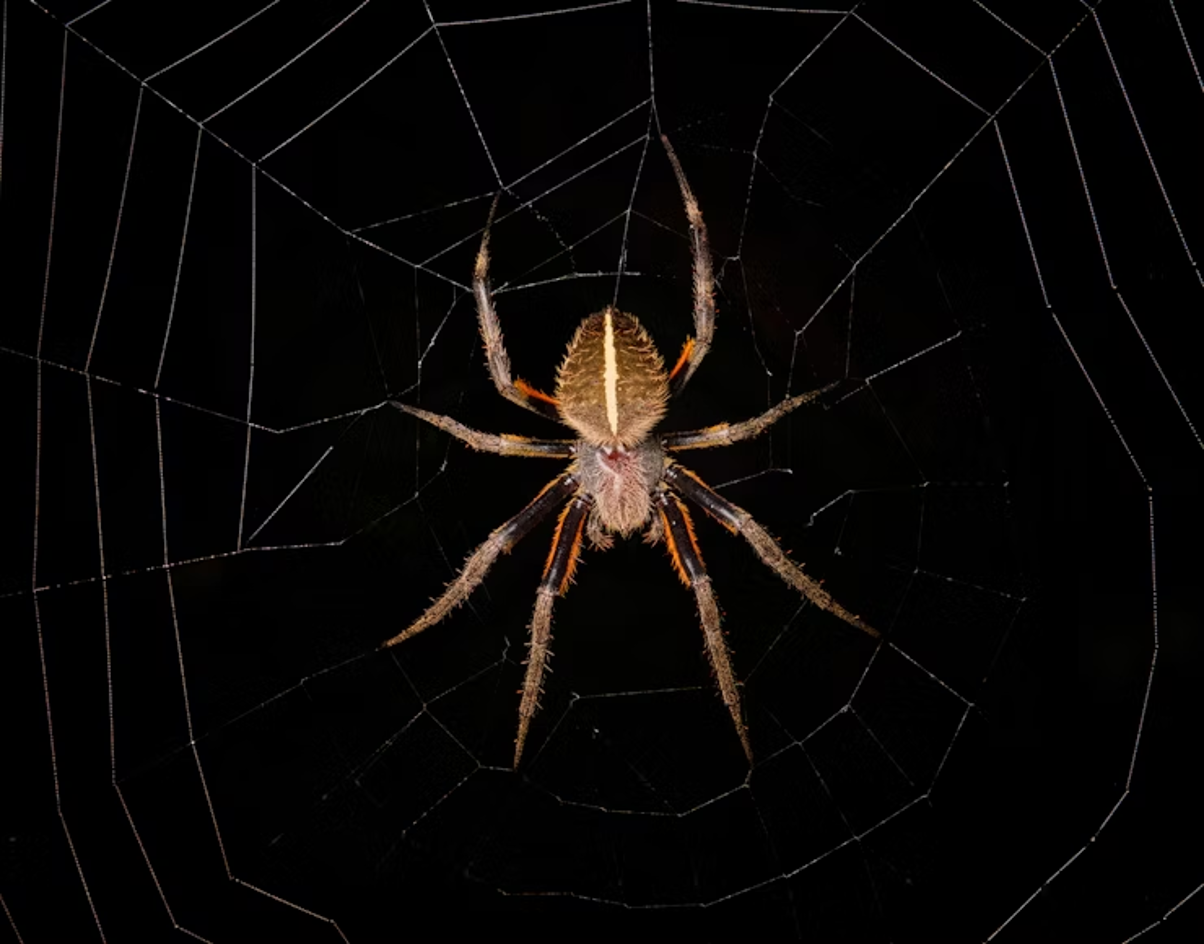
Key Takeaways
- Spider bites usually show up as a single puncture with a red bump and pale center, while ant bites appear in clusters or lines of small welts because ants bite repeatedly as they move across skin.
- Most people assume any painful welt is harmless and skip identification, but missing a black widow or brown recluse bite costs hours of safe treatment time and risks lasting tissue damage.
- For garden spider and regular ant bites, cold compresses, baking soda paste, aloe vera, and honey handle the symptoms at home, while Connor’s Pest Pros handles the source when bites keep happening indoors.
- A brown recluse bite forms a bullseye pattern in 3 to 8 hours and can ulcerate for months, while a fire ant sting turns into fluid-filled pustules within 24 to 48 hours, so the species changes the entire treatment plan.
- Connor’s Pest Pros runs property assessments across Virginia, Maryland, and the D.C. metro area to locate spider hiding spots and ant colonies, then eliminates them at the source with pet-safe, child-safe treatments.
*Medical Disclaimer: This article is for informational purposes only and does not constitute medical advice. Spider and ant bites can cause serious reactions in some individuals. If you experience severe symptoms, allergic reactions, or signs of infection, seek immediate medical attention. Always consult with a qualified healthcare professional for proper diagnosis and treatment. For more information about our pest control services, visit Connor’s Pest Pros.
Spider vs Ant Bites: What You Need to Know Immediately
Spider bites usually show up as a single puncture with a red bump that builds pain over hours, while ant bites land in clusters or lines and burn or pinch on contact. Black widow and brown recluse bites need emergency care because their venom causes systemic symptoms and tissue damage, while garden spider and regular ant bites respond to home remedies like cold compresses, baking soda paste, aloe vera, and honey. Which response fits depends on what bit you, where the bite is, and whether the bites keep happening at home.
Spider and ant bites are among the most common pest-related injuries in Virginia, Maryland, and the D.C. metro area, especially through warmer months when both pests get active indoors. The side-by-side photos, identifiers, and remedies below cover each common species and tell you when the real fix is removing the pests, not treating the bites.
|
Connor’s Pest Pros: Family-Owned Pest Control Experts Choose Your Pest Protection Solution:
Customer Praise:
★★★★★ “Quick to answer my call and available same-day… I recommend them to anyone looking for pest control in NOVA.” – Jacquelyn L.
Why Choose Connor’s Pest Pros:
|
How Can You Identify Spider Bites?
Common Spider Bite Characteristics
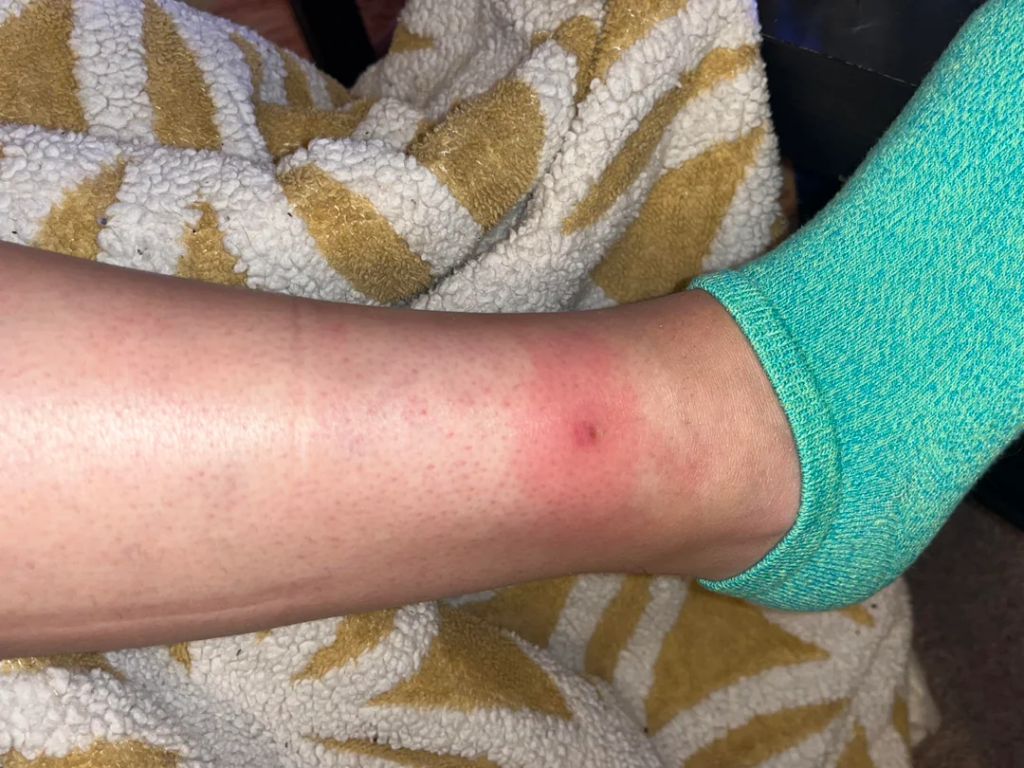
Typical harmless spider bite showing a single red bump with a visible central puncture point and mild surrounding redness. (Image source: Reddit)
Most harmless spider bites look like small, red, slightly raised bumps with a central puncture mark from the fangs. They often resemble mosquito bites at first, then may form a harder, pale center as they heal. Spider bites usually appear as a single bite, since spiders bite once when threatened, while ant bites cluster or line up across the skin.
Common features of spider bites include:
- Small, red bump with a visible puncture point
- Mild swelling and redness around the bite
- Generally appears as a single bite rather than clusters
- May develop a small white blister at the center
- Usually causes mild pain or itching
Black Widow Spider Bites
Black widow bites need immediate medical attention. The mark may start small, but pain radiates to nearby lymph nodes within an hour, around a target-like red ring with a pale center. Whole-body symptoms can follow:
- Severe abdominal cramping
- Muscle rigidity
- Excessive sweating
- High blood pressure
- Nausea and vomiting
If you suspect a black widow bite, get to an emergency room right away.
Brown Recluse Spider Bites
Brown recluse bites are among the most concerning in North America. The bite is often painless at first, but a “bull’s-eye” pattern develops within 3 to 8 hours: pale center, red ring, whitish outer ring. The center can blister, rupture, and form an ulcer that takes months to heal as venom enzymes destroy tissue. Whole-body symptoms are common and need medical care:
- Fever and chills
- Nausea
- Joint pain
- General weakness
- Tissue destruction at the bite site
Garden Spider Bites
Garden spiders look intimidating but rarely pose a serious threat. A bite feels like a bee sting: brief, sharp pain followed by mild redness and swelling. The bumps are small and easy to confuse with ant bites. Pain fades within a few hours, and full healing takes 1 to 3 days without medical care.
How Can You Identify Ant Bites?
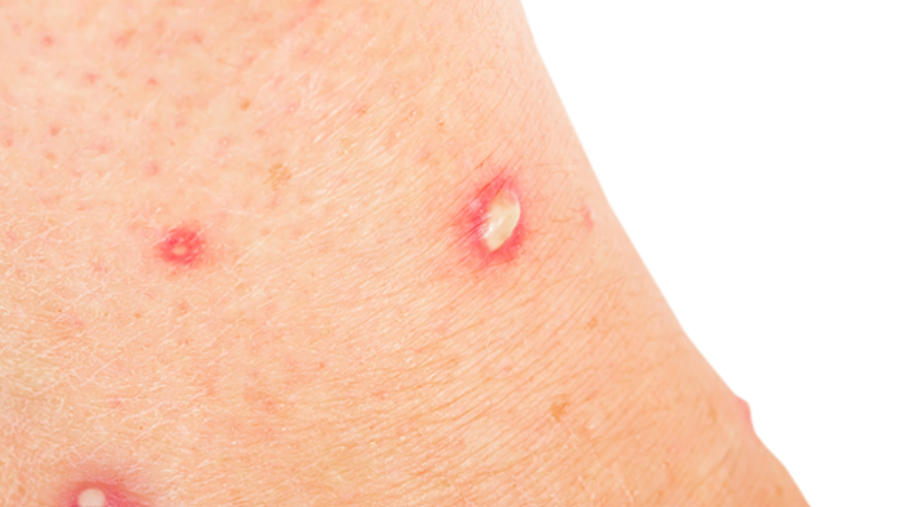
Unlike spider bites, which typically present as individual punctures, ant bites frequently occur in clusters or lines as the insects travel across your skin. (Image source: Cleveland Clinic).
Regular Ant Bite Characteristics
Common household and garden ant bites appear as small, red, raised welts that develop right after contact, with sharp pinching followed by persistent itching. The welts measure 1 to 3mm and may form a tiny white blister at the center. Reactions are rarely severe unless you are allergic to ant venom.
Fire Ant Bites
Fire ants anchor themselves, then sting in a circular pattern, leaving clusters of raised, red welts that turn into white, fluid-filled pustules within one to two days. The sting burns intensely on contact, followed by swelling and itching. The area usually heals within several days if left alone.
Carpenter Ant Bites
Carpenter ants bite rather than sting, using powerful mandibles to break the skin and spray formic acid into the wound. The result is an immediate stinging sensation that fades faster than fire ant or spider bite pain.
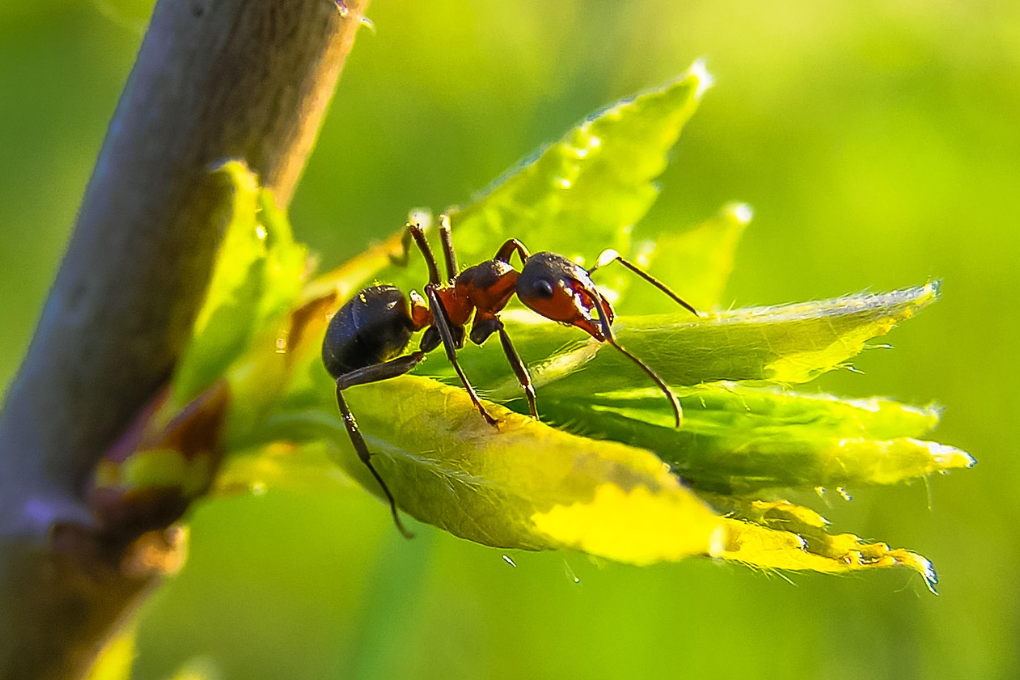
Carpenter ant bites appear as small red marks that may develop slight swelling but rarely form pustules like fire ant stings.
Spider Bites vs Ant Bites: Comparison Table
| Feature | Spider Bites | Ant Bites |
| Appearance | Single puncture, red bump, pale center | Cluster of red welts, 1 to 3mm |
| Pattern | One bite (spiders bite once when threatened) | Multiple bites in clusters or lines |
| Pain Onset | Gradual, builds over hours | Immediate on contact |
| Initial Sensation | Painless or mild at first | Sharp pinch or intense burn (fire ants) |
| Pustules | Rare, except brown recluse blisters | Common with fire ants, within 24 to 48 hours |
| Healing Time | 1 to 3 days for garden spiders, months for brown recluse | 3 to 10 days for most; fire ant pustules longer |
| Dangerous Species | Black widow, brown recluse | Fire ants (allergic reactions possible) |
| Seek Medical Care | Suspected black widow or brown recluse, spreading redness, severe pain | Severe allergic reaction, difficulty breathing, facial swelling |
Natural Remedies for Spider Bites
Important Reminder: Bites from black widows or brown recluse spiders can be potentially dangerous and require immediate medical attention. These remedies are for common garden spider bites only.
Cold Compress Treatment
Cold constricts blood vessels near the bite, slowing venom spread and easing pain and swelling. Apply within the first 24 hours.
- Wrap ice in a towel or use a frozen gel pack.
- Hold against the bite for 10 minutes.
- Break for 10 minutes, then repeat.
Baking Soda Paste

Nature provides numerous effective remedies for treating spider bites, particularly those from non-venomous species.
Baking soda’s alkaline properties neutralize the acidic venom in spider bites. Add a drop of lavender oil for extra relief.
- Mix baking soda with water to form a thick paste.
- Apply directly to the bite and let dry for 15 to 20 minutes.
- Rinse and reapply 3 to 4 times daily.
Apple Cider Vinegar Application
Apple cider vinegar’s acidity and antimicrobial properties help treat bites and prevent infection. Mild stinging is normal and fades quickly.
- Soak a cotton ball in raw, unfiltered apple cider vinegar.
- Hold against the bite for 5 to 10 minutes, several times daily.
- Dilute with equal parts water if too intense.
Effective Home Treatments for Ant Bites
Aloe Vera Gel
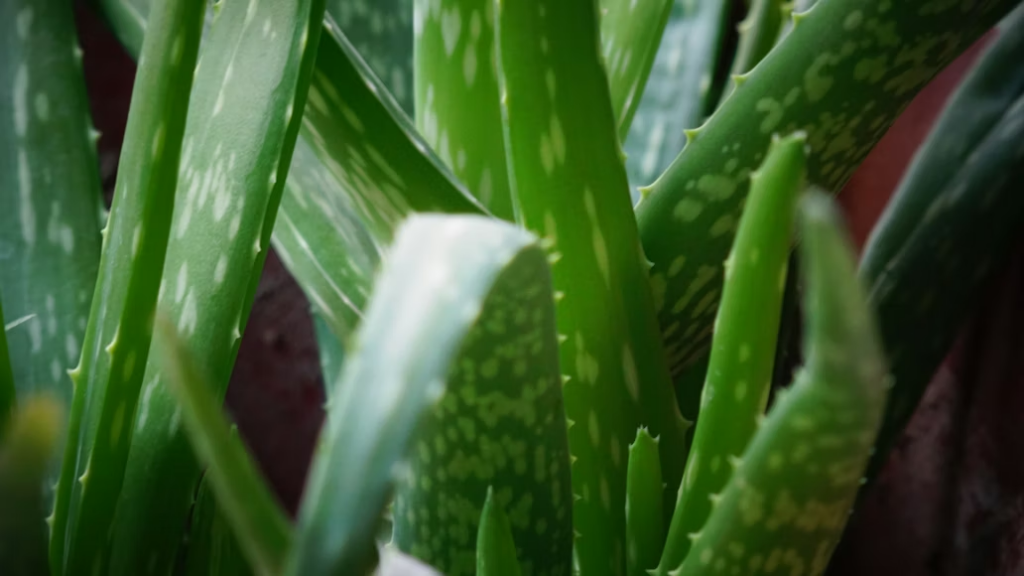
Aloe vera’s natural anti-inflammatory compounds reduce swelling while its moisturizing properties prevent the dry, itchy skin that often develops as ant bites heal.
Fresh aloe vera cools the burn from ant bites, especially fire ant stings. If you don’t have fresh leaves, use 98% pure aloe gel.
- Slice an aloe leaf and squeeze out the gel.
- Apply directly to the bite.
- Reapply every few hours as needed.
Honey as an Antibacterial Agent
Raw honey prevents infection, especially when scratching breaks skin. For fire ant pustules, it draws fluid and reduces inflammation.
- Apply raw honey to the bite.
- Cover with a bandage.
- Reapply with each bandage change.
Plantain Leaf Remedy
Plantain leaves (Plantago major) counteract ant venom, reduce histamine, cut swelling, and prevent infection.
- Pick fresh plantain leaves.
- Crush between your fingers to release juices.
- Apply to the bite.
Protect Your Family From Dangerous Pest Bites with Connor’s Pest Pros

Connor’s Pest Pros specializes in expert pest infestation prevention.
The right response to a bite starts with identifying the species: emergency care for black widow or brown recluse, home remedies like cold compresses, baking soda, aloe vera, and honey for garden spiders and regular ants. That handles one bite, but it doesn’t address why the bites are happening.
Connor’s Pest Pros locates spider hiding spots, ant colonies, and the cracks pests use to get inside, then eliminates the source with pet-safe and child-safe treatments backed by a 100% satisfaction guarantee. Families across Virginia, Maryland, and the D.C. metro area rely on our property assessments and same-day service to stop the cycle of repeat bites for good.
Reach out today for a free quote!
Frequently Asked Questions (FAQs)
Can I get sick from a spider or ant bite?
Yes. Black widow and brown recluse bites can cause systemic symptoms like fever, nausea, and muscle cramps that need medical care. Fire ant bites rarely cause illness unless you have an allergic reaction. Any bite with spreading redness or extreme pain warrants medical evaluation.
Do I need a tetanus shot after being bitten by a spider?
Consider a tetanus booster if your last shot was more than five years ago, especially after a brown recluse bite that creates an open wound. Tetanus bacteria thrive in dead tissue, making necrotic spider bites a potential entry point for infection. Call your doctor to confirm if you are due.
What’s the best way to remove an ant that’s still biting me?
Brush the ant off with a firm sweep rather than pinching, since squeezing releases more venom. Wash with soap and cool water, then apply a cold compress to reduce inflammation.
Do repeated bites mean that I need professional pest control?
Multiple bites indoors usually mean an infestation needing professional help. Connor’s Pest Pros runs property assessments to find attractants and entry points, then eliminates the colony at the source. Our treatments stop ongoing exposure and protect your family.
*Image Disclaimer: Some images used in this blog post are sourced from third-party websites and remain the property of their respective owners unless otherwise stated. We do not claim ownership of these images and use them for illustrative purposes only.