
Key Takeaways
- Aphids, cutworms, slugs, flea beetles, and cabbage worms are the five spring pests that do the most damage to Northern Virginia and Mid-Atlantic gardens, and each one needs its own identification approach and treatment.
- Most gardeners reach for broad-spectrum pesticides first, which kills the ladybugs, lacewings, and parasitic wasps that would otherwise keep pest populations in check once the season balances out.
- Integrated pest management works on most spring pest problems without conventional chemicals, and Connor’s Pest Pros handles the cases where infestations spread past the vegetable bed into ornamentals or keep coming back despite consistent DIY effort.
- Row covers, beer traps, insecticidal soap, and iron phosphate baits each target a specific pest biology, so matching the treatment to the pest is the difference between one week of control and a full season of it.
- Connor’s Pest Pros offers property-wide inspection and pet and child-friendly treatments across Northern Virginia, with same-day service when you call before noon and a 100% satisfaction guarantee on every visit.
Spring Garden Pests in Northern Virginia: Identification and Treatment
Aphids, slugs and snails, flea beetles, cutworms, and cabbage worms are the five spring pests that cause the most garden damage in Northern Virginia and the Mid-Atlantic, and each one calls for a different treatment. Aphids respond to insecticidal soap and beneficial insects, slugs to beer traps and iron phosphate baits, flea beetles to row covers, and cutworms and cabbage worms to collars and spinosad. Which approach you reach for depends on the pest, the crop, and how far the infestation has already spread.
Spring is the most critical window in the garden because warming soil activates overwintering eggs and larvae right when seedlings are at their most vulnerable, and natural predators lag pest emergence by several weeks. The sections below walk through each of these pests, which treatments work at each stage of infestation, and when a DIY approach has run its course.
|
Connor’s Pest Pros: Family-Owned Pest Control Experts Choose Your Pest Protection Solution:
Customer Praise:
★★★★★ “Quick to answer my call and available same-day… I recommend them to anyone looking for pest control in NOVA.” – Jacquelyn L.
Why Choose Connor’s Pest Pros:
|
Aphids: The Most Common Spring Garden Pest
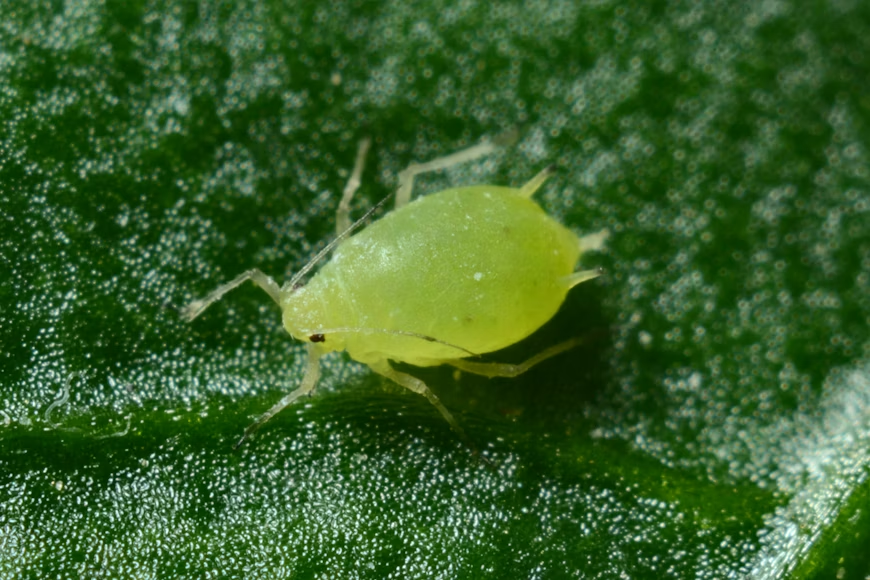
Identifying aphids is straightforward once you know what to look for. Check the growing tips of your plants and the undersides of young leaves.
Aphids top the list of spring garden pests for good reason. These small, soft-bodied insects reproduce with astonishing speed, and a single overwintering female can generate thousands of offspring in a few weeks. You will find them clustered on new growth, flower buds, and the undersides of leaves, where they pierce plant tissue and feed on sap.
The damage goes beyond the feeding itself. Aphids excrete a sticky substance called honeydew that coats leaves and attracts sooty mold fungus. More seriously, aphids transmit viral diseases from plant to plant as they feed, which can infect an entire garden from a single source. Tomatoes, peppers, squash, beans, and most leafy greens are all susceptible.
Aphids range from green to black, red, yellow, or nearly translucent, depending on species. They may be winged or wingless. Curling leaves, stunted growth, and sticky residue on foliage all indicate aphid presence even before you spot the insects themselves.
Treatment Options for Aphids
For small infestations, a strong spray of water from your garden hose knocks aphids off plants and often provides sufficient control if repeated every few days. Aphids are poor climbers and many won’t make it back to your plants after being dislodged.
Insecticidal soap sprays kill aphids on contact without leaving harmful residues. They work by disrupting cell membranes and must contact the aphids directly to be effective. Spray in early morning or evening to avoid leaf burn, and cover all plant surfaces including leaf undersides. Neem oil provides similar contact control while also deterring feeding.
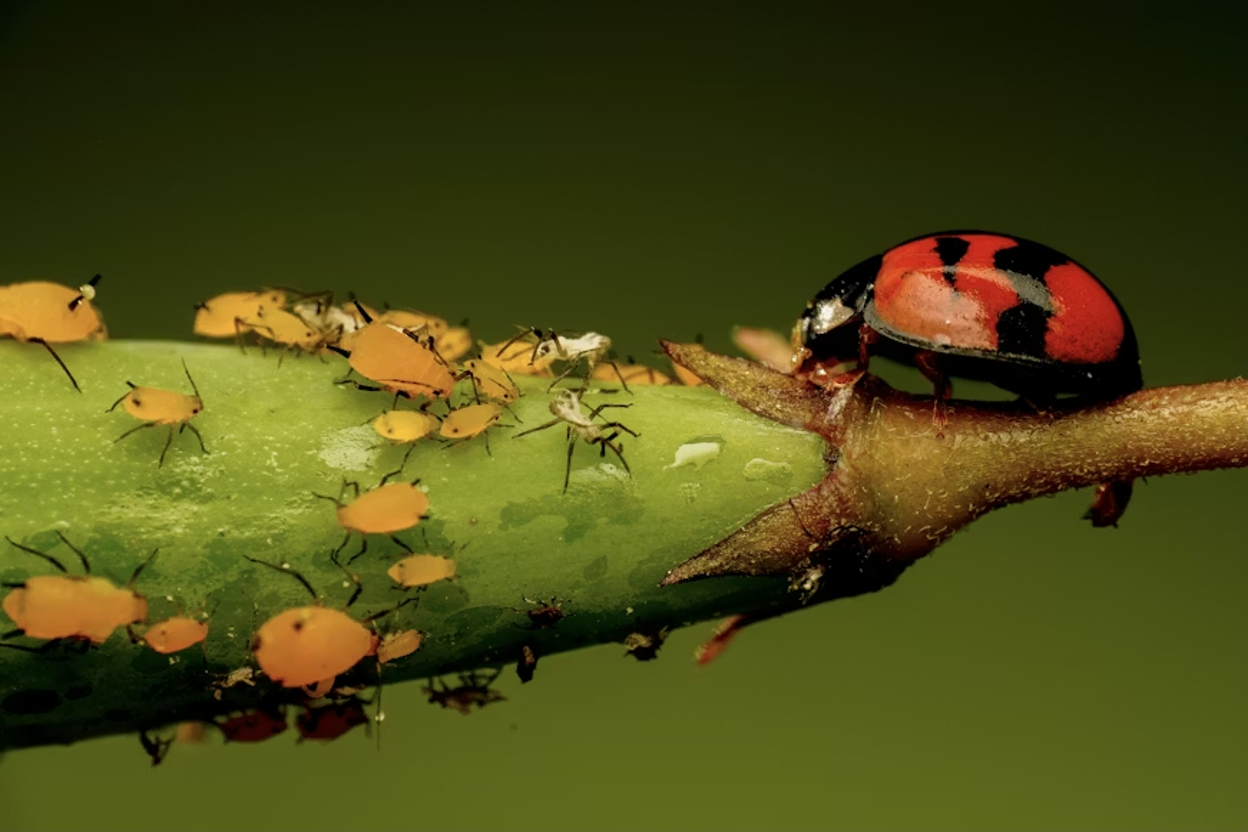
Beneficial insects offer the most sustainable long-term solution. Ladybugs, lacewing larvae, and parasitic wasps all prey heavily on aphids. You can buy these beneficials for release, but creating habitat that attracts and keeps them naturally works better. Let some flowering herbs and native plants bloom throughout the garden, and avoid broad-spectrum pesticides that kill predators along with pests.
For severe infestations threatening valuable plants, pyrethrin-based organic insecticides provide rapid knockdown. Systemic insecticides absorbed by plant roots offer longer protection but should be avoided on edibles and flowering plants visited by pollinators.
Slugs and Snails: Wet Weather Troublemakers
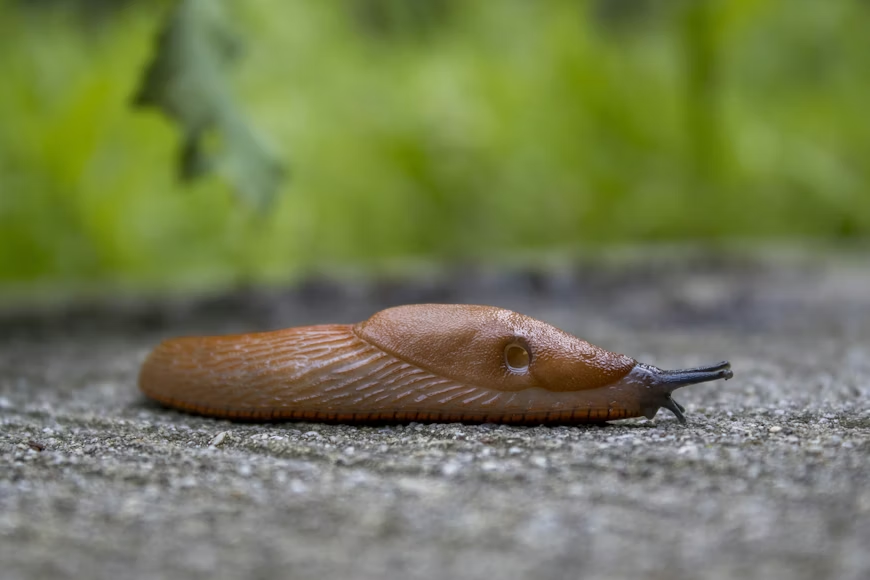
Slugs hide during the day under mulch, boards, rocks, and plant debris, emerging when humidity rises in the evening.
Spring rains create ideal conditions for slugs and snails, and these moisture-loving mollusks can devastate tender seedlings and ornamental plants seemingly overnight. They feed primarily after dark or on overcast days, rasping irregular holes in leaves and leaving distinctive silvery slime trails as evidence of their presence.
Slugs and snails damage a wide range of garden plants, but hostas, lettuce, strawberries, cabbage, and young seedlings of almost any variety are favorite targets. Damage appears as ragged holes in leaves rather than the clean edges left by caterpillar feeding. Severe infestations can completely defoliate young plants before they have a chance to establish.
Treatment Options for Slugs and Snails
Beer traps are a classic control method that actually works. Sink shallow containers into the soil so the rim sits at ground level, then fill with cheap beer. Slugs are attracted to the yeast, fall in, and drown. Empty and refill traps every few days. Place multiple traps throughout problem areas for best results.
Iron phosphate baits (sold under brand names like Sluggo) control slugs effectively while remaining safe around pets, children, and wildlife. Scatter granules around susceptible plants according to label directions. Slugs and snails that eat the bait stop feeding and die within a few days. Reapply after heavy rain.
Copper barriers also create a mild electrical charge when slugs contact them, causing the pests to turn away. Copper tape around raised bed frames or containers protects plants inside. Copper mesh or screening provides similar protection for larger areas.
Reducing habitat discourages slug populations over time. Water in the morning rather than evening so soil surfaces dry before slugs become active. Remove unnecessary mulch from around susceptible plants during peak slug season. Eliminate hiding spots like boards, pots, and debris where slugs shelter during the day.
Flea Beetles: Tiny Pests, Big Damage
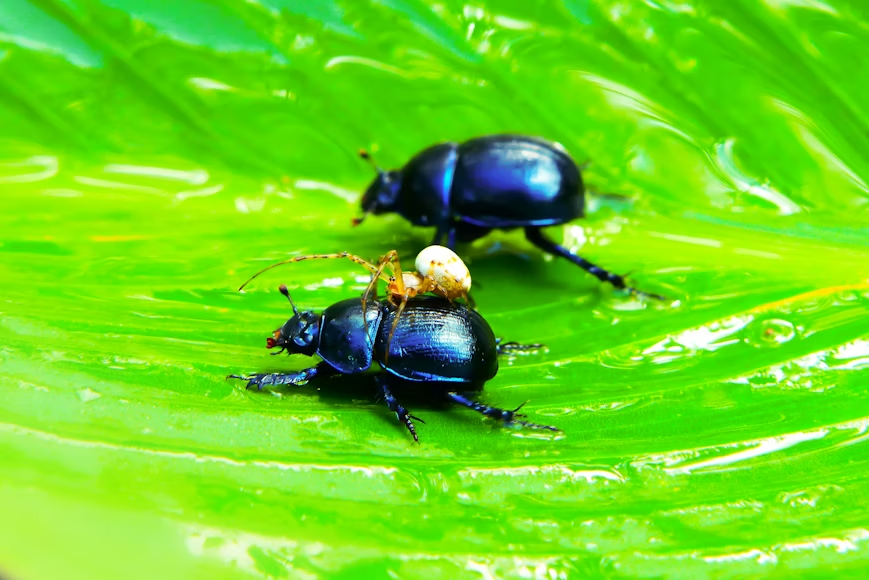
Flea beetle damage on eggplant leaves showing characteristic shothole pattern that weakens plants and provides entry points for disease.
Flea beetles earn their name from their ability to jump like fleas when disturbed. These tiny metallic or black beetles emerge from overwintering sites in early spring and immediately begin feeding on young plants. Their damage appears as countless small round holes in leaves, creating a shothole pattern that is hard to miss.
The holes themselves rarely kill plants, but heavy flea beetle pressure weakens seedlings during the critical establishment period. The damage also creates entry points for bacterial and fungal diseases. Eggplants are famously susceptible to flea beetles, but tomatoes, peppers, potatoes, radishes, and most brassicas also attract them.
Flea beetles are most active during warm, sunny weather and often seem to appear from nowhere as temperatures rise. Their small size and jumping ability make them difficult to catch or hand-pick, requiring different control strategies than larger, slower pests.
Treatment Options for Flea Beetles
Row covers provide the most effective organic flea beetle control. Lightweight fabric barriers placed over crops immediately after planting exclude beetles entirely while allowing light, air, and water to reach plants. Secure edges with soil, boards, or pins to prevent beetles from crawling underneath. Remove covers when plants flower if pollination is required.
Yellow sticky traps catch adult beetles and help monitor population levels. While unlikely to provide complete control alone, traps reduce numbers and indicate when treatment is needed.
Neem oil and spinosad-based organic insecticides control flea beetles when applied thoroughly to all leaf surfaces. These products work best as deterrents and contact killers, so repeat applications every seven to ten days during heavy beetle pressure. Apply in early morning or evening to avoid affecting pollinators.
Diatomaceous earth dusted on plants creates an abrasive coating that damages beetle exoskeletons. Effectiveness decreases after rain or heavy dew, requiring reapplication. Some gardeners mix DE with kaolin clay for improved adherence.
Get Ahead of Spring Garden Pests with Connor’s Pest Pros
Professional pest control technician inspecting garden and landscape plants for pest damage requiring expert treatment beyond typical DIY garden pest management.
Aphids, slugs, flea beetles, cutworms, and cabbage worms do the most damage in Northern Virginia gardens, and matching the right treatment to the right pest (insecticidal soap, beer traps, row covers, collars, spinosad) stops most infestations before they spread. DIY works when you catch the problem early and the pest stays in the garden bed.
When infestations move into ornamental plantings, foundation beds, or lawn areas, or keep coming back year after year, Connor’s Pest Pros provides property-wide inspection and pet and child-friendly treatment plans that address the root cause, backed by same-day service when you call before noon and a 100% satisfaction guarantee.
Contact us today for your free quote!
Frequently Asked Questions (FAQs)
What are the most common garden pests in spring?
Aphids are the most common spring garden pest, appearing on nearly every type of vegetable and ornamental plant. Slugs and snails thrive during wet spring weather. Flea beetles attack eggplants, tomatoes, and brassicas as soon as temperatures warm.
When should I start checking my garden for pests?
Begin pest monitoring as soon as you transplant seedlings or seeds germinate. Check plants at least twice weekly, examining both upper and lower leaf surfaces, stems, and the soil around plant bases. Early morning inspections often reveal slugs and cutworms before they hide for the day.
Are organic pest control methods effective?
Yes, organic methods effectively control most common garden pests when applied correctly and consistently. Physical barriers like row covers and collars prevent pest access entirely. The key to organic success is early intervention before populations explode and thorough coverage when applying treatments.
How do I prevent garden pests naturally?
Prevention starts with fall cleanup, removing crop debris where pests overwinter. Rotate crop families to different locations each year to break pest cycles. Attract beneficial insects by planting flowers and herbs that provide nectar and habitat. Maintain healthy soil that produces vigorous plants with natural pest resistance. Use physical barriers like row covers on susceptible crops. Water in the morning so foliage dries before evening when many pests become active.
When should I call a professional instead of treating garden pests myself?
DIY treatments work well for most spring garden pest problems when infestations are caught early. Professional intervention becomes the stronger choice when pest populations spread from your vegetable garden to ornamental plantings, foundation beds, or lawn areas where scale and access make DIY treatment impractical. Recurring year-after-year infestations despite consistent DIY efforts usually point to a root cause that surface-level treatment is not reaching. Connor’s Pest Pros provides property-wide inspection, professional-grade treatment, and integrated solutions that address what DIY cannot.