

Key Takeaways
- Stink bugs showing up in your house in March or April are not a new invasion. They entered last fall and spent winter dormant in your walls, attics, and voids, and they wake up as indoor temperatures climb in late February through April.
- Crushing them or spraying indoor insecticide makes the problem worse. Crushing releases the defensive odor that stains walls and fabric and attracts more bugs, and indoor sprays leave dead bugs inside your walls to smell.
- For live bugs you can see, vacuum with a shop vac or dedicated handheld unit and empty the canister into a sealed bag outdoors right away. For the overwintering population still hidden in your walls, Connor’s Pest Pros applies wall void treatment that DIY tools cannot reach.
- Sealing gaps around windows, door frames, utility penetrations, and siding in August and September, before bugs seek shelter, is what actually stops next spring’s emergence. Spring sealing is already too late.
- Connor’s Pest Pros delivers same-day stink bug service across Northern Virginia, including wall void treatment, exterior barrier application, and entry-point exclusion, backed by 415+ five-star reviews and a 100% satisfaction guarantee.
Why Stink Bugs Appear in Your House Every Spring
The fastest way to handle stink bugs appearing in your house this spring is to vacuum the ones you can see with a shop vac or dedicated handheld unit, knock others into a shallow dish of soapy water, and avoid crushing or spraying indoors. That handles the visible population, but the real fix happens in late summer: sealing gaps around windows, door frames, utility penetrations, and siding between August and mid-September, before next fall’s bugs arrive looking for shelter. Which steps matter most depends on how many bugs are emerging and whether you are seeing them in one room or across the whole house.
If you are dealing with spring stink bugs in Northern Virginia or the D.C. metro, the steps in this guide cover DIY removal, fall prevention, and the point where a professional visit from Connor’s Pest Pros makes more sense than another round of vacuuming.
|
Connor’s Pest Pros: Family-Owned Pest Control Experts Choose Your Pest Protection Solution:
Customer Praise:
★★★★★ “Quick to answer my call and available same-day… I recommend them to anyone looking for pest control in NOVA.” – Jacquelyn L.
Why Choose Connor’s Pest Pros:
|
The Overwintering Cycle Explained
Stink bugs follow a predictable annual pattern. In late summer and fall, adults seek sheltered overwintering sites as temperatures drop. Your home’s wall voids, attics, crawl spaces, and gaps behind siding become prime targets. Throughout winter they enter diapause, a hibernation-like state, while concealed inside your home’s structure. When spring arrives and temperatures warm, they become active and move toward light and warmth. By late spring they exit structures to feed, mate, and lay eggs on outdoor plants.
The stink bugs in your home this spring entered last fall. Spring treatment manages the current population, but preventing next fall’s entry is the real long-term solution.
DIY Methods: How Do You Remove Stink Bugs Without Triggering the Smell?
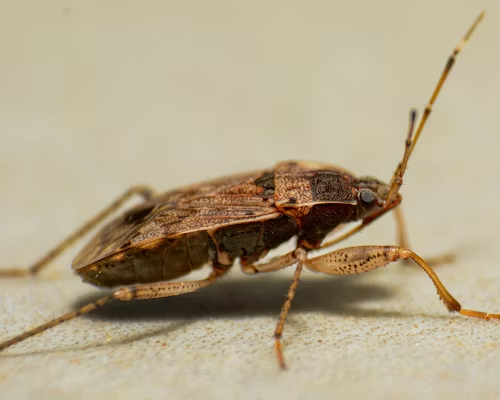
When stink bugs emerge indoors, the wrong removal approach creates bigger problems than the bugs themselves.
Stink bugs earn their name from defensive chemicals released when threatened or crushed. This odor persists for hours to days on surfaces, can stain fabrics, walls, and furniture, and may attract additional stink bugs to the area.
Vacuum Removal
Vacuuming is the fastest and most effective DIY method. Use a shop vac or dedicated handheld vacuum rather than your primary household vacuum to prevent odor transfer to the canister. Vacuum bugs directly without agitating them first, using a hose attachment for precision, and empty contents into a sealed outdoor bag immediately after each session. Some homeowners keep a small handheld vacuum exclusively for stink bugs for quick response when bugs appear throughout the season.
Soapy Water Trap
A dish soap solution kills stink bugs on contact without odor release. Fill a wide container with water and add one to two tablespoons of dish soap. Flick or knock stink bugs directly into the solution. The soap breaks surface tension, causing bugs to sink and drown quickly. Keep a container near windows where bugs commonly appear for fast, odor-free removal throughout spring emergence.
Light Trap
Stink bugs are attracted to light, making overnight collection traps effective. Fill a shallow pan with soapy water and position a small lamp or LED light above it in a dark room where stink bugs are active. Bugs fly toward the light and fall into the soapy water below. Check and empty each morning. This works best in attics, spare bedrooms, or rooms with known stink bug activity.
Manual Collection
For small numbers of bugs, use a piece of paper or cardboard to gently scoop and deposit them into soapy water or a sealed container, moving slowly to avoid triggering their defensive response. This approach works for occasional bugs but is not practical for heavy infestations.
Methods to Avoid
- Crushing or squishing releases strong odor and may stain surfaces.
- Indoor insecticide sprays cause bugs to die in walls and smell, don’t prevent entry, and create chemical exposure concerns.
- Bug zappers may rupture bugs and release odor while posing fire risk indoors.
- Sticky traps alone catch some bugs but don’t address the population hidden in walls.
DIY Prevention Tips
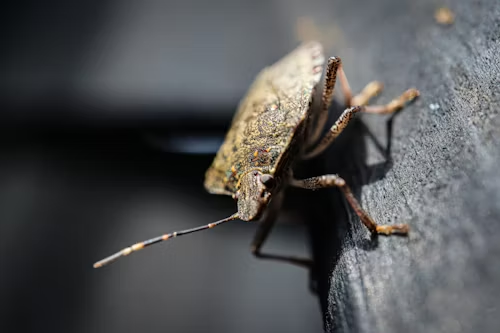
Spring stink bugs reveal a fall prevention problem. The bugs inside your home now entered months ago through gaps that can be sealed before next season.
Timing Is Everything
Watch where bugs emerge this spring to identify entry points. Complete all sealing work in late summer, specifically August through September, before bugs begin seeking overwintering sites. In Northern Virginia, complete all exterior sealing by mid-September. Once temperatures drop in fall, bugs are already entering or inside.
Entry Point Identification
Watch where stink bugs appear; these locations indicate nearby entry points. Common entry points include gaps around window and door frames, damaged weatherstripping, torn screens, worn door sweeps, gaps around utility penetrations (pipes, wires, cables, vents), cracks where siding meets trim or foundation, gaps around chimneys, vents, soffits, and fascia boards, foundation cracks and gaps around basement windows, and damaged screening on attic vents.
Sealing Methods
For small cracks and gaps under 1/4 inch, use silicone or acrylic latex caulk. Larger gaps between 1/4 and 1/2 inch require foam backer rod plus caulk, or expanding foam. Around windows and doors, replace worn weatherstripping and install new door sweeps. For utility penetrations, use expanding foam, escutcheon plates, or caulk. Fix torn screens with patch kits or full replacement. For weep holes in brick, insert stainless steel wool (this allows drainage while blocking bugs). Soffit and fascia gaps can be addressed with hardware cloth or aluminum flashing.
Exterior Treatment in Late Summer
Preventive exterior insecticide application in late summer creates a barrier that kills or repels stink bugs before they enter. Apply pyrethroid-based residual sprays (bifenthrin, cyfluthrin, or lambda-cyhalothrin) in late August through September, before bugs begin seeking entry. Target the foundation perimeter, areas around windows and doors, under siding edges, and around utility penetrations. Reapplication may be necessary if heavy rain occurs.
Exterior barrier treatment supplements sealing; it doesn’t replace it. Bugs that don’t contact treated surfaces can still enter through unsealed gaps.
Reducing Outdoor Attraction
Stink bugs congregate on homes before entering. Reducing attraction minimizes the population seeking entry. Minimize exterior lighting during fall evenings since bugs attract to light, and replace white bulbs with yellow “bug light” bulbs near entries. Remove or relocate vegetable gardens and fruit trees away from your home’s foundation. Clear vegetation touching siding and foundation, and address moisture issues that create attractive habitat.
When DIY Isn’t Enough

DIY methods effectively manage typical stink bug emergence, but some situations require professional intervention.
Signs You Need Professional Help
Consider professional treatment if you are seeing hundreds of bugs emerging daily, which points to a large overwintering population that needs targeted wall treatment. Multiple rooms or floors showing emergence suggests several entry points and extensive wall void populations. Inaccessible entry points like high rooflines, areas behind siding, or structural gaps need specialized access.
Year-after-year infestations despite DIY efforts often mean hidden entry points that professionals can identify. Commercial properties where customer or employee impact requires rapid, thorough resolution also benefit from professional service.
What Professional Treatment Includes
Connor’s Pest Pros provides comprehensive stink bug management, including entry point inspection identifying gaps DIY efforts may miss, wall void treatment targeting overwintering populations directly, exterior barrier application with professional-grade products, exclusion work sealing entry points with appropriate materials, and ongoing monitoring to verify treatment effectiveness.
Our service includes stink bug management alongside comprehensive coverage for ants, spiders, rodents, termites, and other common pests, preventing multiple pest problems with one service.
Contact Connor’s Pest Pros for same-day service when stink bug populations exceed what DIY methods can handle. Our 415+ five-star reviews and 100% satisfaction guarantee back every treatment.
Stop Next Spring’s Stink Bugs Before They Enter This Fall
Spring stink bug emergence is a diagnostic event, not a mystery. The bugs at your windows in March and April are the same population that slipped through gaps in your siding, window frames, and utility penetrations last September, which means the locations where you see them now are the exact spots that need sealing before late summer.
DIY removal handles what you can see, but wall void populations, inaccessible entry points, and repeat yearly emergence call for professional access. Connor’s Pest Pros treats overwintering populations inside your walls directly, applies professional-grade exterior barriers in late summer, and seals the entry points DIY inspections usually miss. Request your free quote today and close the gap before next fall’s bugs start looking for a way in.
Contact us today for your free quote!
Frequently Asked Questions (FAQs)
Why do stink bugs suddenly appear in my house in spring?
Stink bugs appearing in spring aren’t new invaders; they entered your home last fall seeking overwintering shelter and have been dormant in your walls, attic, and voids all winter. When spring temperatures warm your home’s exterior walls, dormant bugs become active and move toward light and warmth.
What is the fastest way to get rid of stink bugs?
Vacuuming is the fastest effective method. Use a shop vac or dedicated handheld vacuum to remove bugs without crushing them (which releases odor). Empty the vacuum contents into a sealed bag and dispose outdoors immediately. For ongoing management, keep a container of soapy water near windows where bugs appear; knock bugs directly into the solution for quick, odor-free removal.
Will stink bugs eventually go away on their own?
Yes, spring stink bugs will naturally leave your home over several weeks as they seek outdoor food sources and mates. However, waiting it out means tolerating bugs indoors for weeks and doesn’t prevent them from returning next fall. Active removal speeds up the process, and sealing entry points in late summer prevents the cycle from repeating. Without prevention, you’ll face the same emergence every spring.
What smell keeps stink bugs away?
Stink bugs are reportedly repelled by mint, garlic, and neem oil, though effectiveness varies and typically provides only temporary deterrent rather than lasting control. Some homeowners report success with peppermint oil sprays around windows and entry points. However, these repellents don’t address bugs already inside walls and don’t prevent entry as effectively as physical sealing. Use scent deterrents as a supplement to sealing and exclusion, not as a primary control method.
Why should I call Connor’s Pest Pros for stink bugs instead of handling it myself?
DIY methods like vacuuming and soapy water traps work well for managing the stink bugs you can see, but they do not reach the population still dormant inside your walls, attics, and voids. Connor’s Pest Pros uses targeted wall void treatment to address overwintering populations directly, professional-grade exterior barrier products that outperform retail sprays, and inspection methods that identify the hidden entry points DIY efforts consistently miss.