
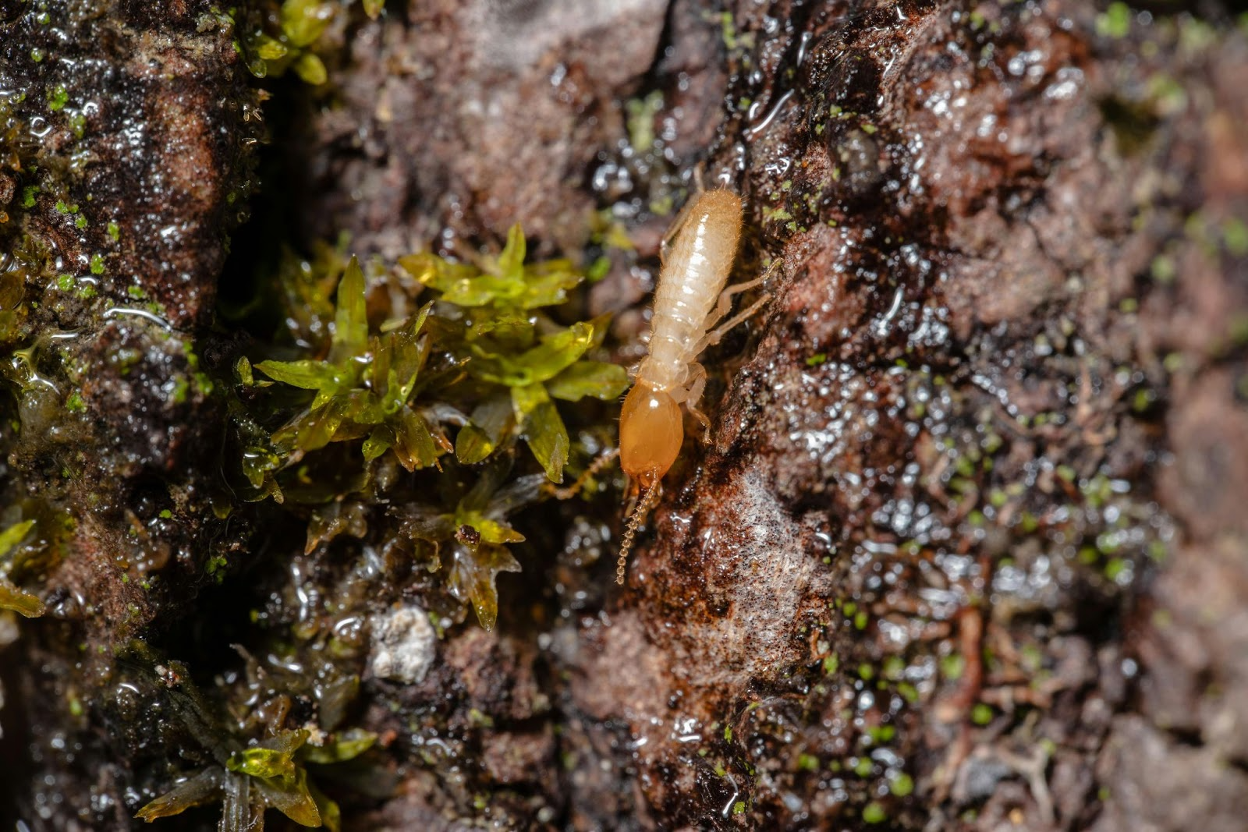
Key Takeaways
- DC’s warm, humid climate, historic homes, and nearby green spaces make termite infestations common, often causing silent damage before being noticed.
- Top local companies provide expert inspections, treatments, and preventative measures specific to DC homeowners’ needs.
- Termite treatment costs vary widely ($225–8,000) depending on infestation severity, method, and termite type; early professional intervention saves long-term repair costs.
- Connor’s Pest Pros offers customized, prevention-focused pest management, advanced termite and rodent control, humane wildlife removal, fast service, and a 100% satisfaction guarantee.
Termites in DC: Why Your Home Might Be at Risk Right Now
Washington DC lies in the “termite belt,” where warm, humid summers and mild winters create ideal conditions for subterranean termites. Eastern subterranean termites, the most common in the area, contribute to billions in property damage nationwide, with a significant share affecting the DMV.
Historic DC homes are especially vulnerable. Wooden foundations, crawl spaces, and aging structural components provide easy entry for colonies, putting neighborhoods like Georgetown, Capitol Hill, and Brookland at high risk. Even newer homes aren’t immune because any property with wood-to-soil contact or moisture issues can become a target.
Climate change has lengthened the termite season, now stretching from spring well into fall, and some colonies remain active year-round in heated basements or crawl spaces. DC’s trees, parks, and green spaces, while attractive, also harbor termite populations that can spread to homes. Termites often cause silent damage for 3–5 years before signs appear, leading to repair costs ranging from $3,000 to $8,000.
DC Termite Risk Factors
Several factors significantly influence termite risk levels for DC properties:
- Historic homes (pre-1940s): Very High Risk
- Homes with previous termite history: Very High Risk
- Properties near wooded areas: High Risk
- Buildings with moisture issues: High Risk
- Newer construction with proper barriers: Moderate Risk
|
Connor’s Pest Pros: Family-Owned Pest Control Experts Choose Your Pest Protection Solution:
Customer Praise:
★★★★★ “Quick to answer my call and available same-day… I recommend them to anyone looking for pest control in NOVA.” – Jacquelyn L.
Why Choose Connor’s Pest Pros:
|
Top 3 Termite Control Companies in Washington, DC
For termite control in Washington, DC, selecting a trusted, experienced company is crucial to protect your home from costly damage. Here are three top providers in the area.
1. Connor’s Pest Pros

Trusted by DC homeowners for fast, effective service backed by guarantees.
Serving the DC metro area, we at Connor’s Pest Pros provide same-day or next-day termite treatments backed by our 100% satisfaction guarantee. Our expert team performs thorough inspections, custom treatment plans, and ongoing protection to prevent future infestations.
Beyond termites, we offer comprehensive pest control, including bed bugs, rodents, mosquitoes, and wildlife removal, making us a reliable choice for complete home protection.
Our commitment to excellence is reflected in our 400+ five-star reviews on Google and our website, demonstrating consistent customer satisfaction across all our services. As a proud member of the National Pest Management Association, we adhere to industry best practices and professional standards.
We’re also honored to be an Angi Super Service Award Winner for 2024, recognizing our outstanding service quality and customer care in the pest control industry.
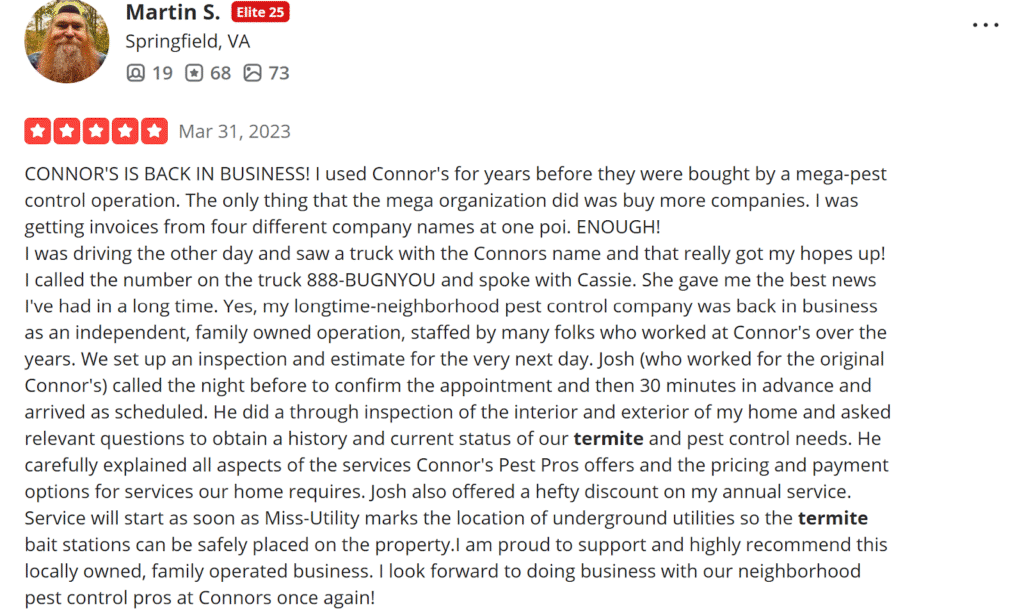
Here’s a positive customer review highlighting our personalized service and local expertise.
2. Alpha Pest Management
Alpha Pest Management uses preventative treatments to protect historic homes.
Established in 2012, Alpha Pest Management combines years of experience with a wide range of services, including termite inspections, WDI reports, rodent control, and general pest removal.
Their team also handles wildlife exclusion, insulation replacement, and preventative treatments, ensuring homes remain protected long-term. Known for fast, reliable service and a personalized approach, they tailor solutions to each property’s unique needs.
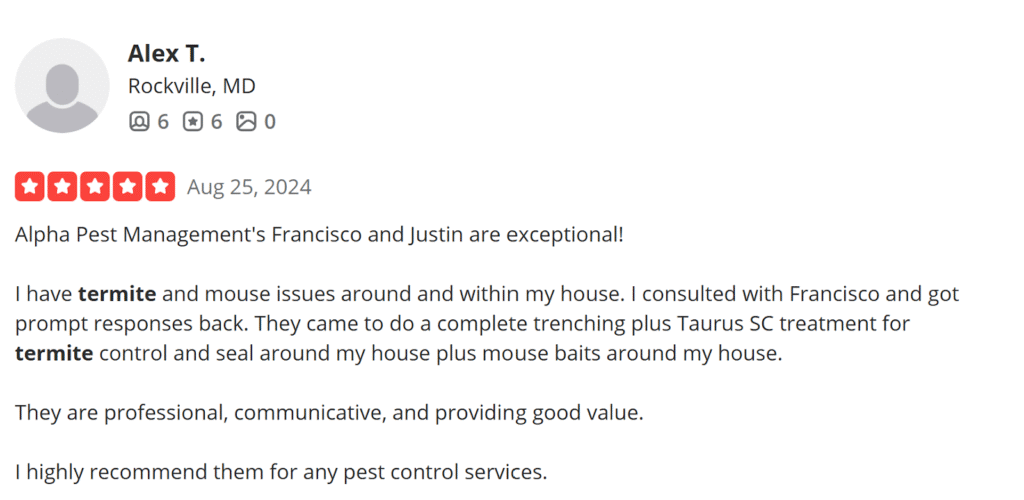
Alpha Pest Management’s comprehensive pest solutions address multiple issues simultaneously, providing better value than single-service treatments.
3. Potomac Pest & Termite Control

Owner-led inspections ensure personal attention and expert solutions.
Family-owned and operated since 2017, Potomac Pest & Termite Control offers hands-on service and expertise from owner John Earley, who has over 15 years in the field.
They specialize in termite inspections, liquid and baiting treatments, and ongoing preventative measures. The company emphasizes eco-friendly methods, early detection, and proactive solutions to safeguard homes while minimizing risk to residents and pets.

Potomac Pest & Termite Control’s success is built on strong word-of-mouth recommendations from satisfied customers throughout the local community.
What Termite Control Actually Costs in Washington DC
Termite treatment costs in DC vary widely depending on the infestation type, home size, and method used. Most chemical or baiting treatments range from $225 to $2,500, while severe infestations requiring whole-home tenting can cost $2,000 to $8,000.
The right approach depends on if your home is affected by subterranean, drywood, dampwood, or Formosan termites.
Termite Treatment Methods & Costs in Washington DC
| Treatment Method | Cost Range | Application Type & Notes |
| Bait Stations | $7–12 per linear foot | Installed around exterior perimeter; ideal for drywood/early infestations; annual monitoring $200–400 |
| Chemical Soil Treatments | $3–20 per linear foot | Liquid pesticides create a barrier around the foundation; targets subterranean termites |
| Micro Treatments | $6–8 per sq. foot | Spot treatments using heat, microwaves, or liquid termiticides for small infestations |
| Gas Fumigation | $1–4 per sq. foot | Tent entire home; eliminates colonies in severe infestations; preparation may take up to 72 hours |
| Heat Treatment | $1–3 per sq. foot | Tents home and heats to 120–140°F; suffocates drywood termites without toxic gases |
Termite Types & Typical Treatment Costs
| Termite Type | Average Treatment Cost | Recommended Treatment Method |
| Subterranean | $250–2,000 | Liquid soil barriers; bait stations for early infestations |
| Drywood | $225–2,500+ | Bait stations, tented fumigation, or heat treatments |
| Dampwood | $225–2,500+ | Remove infested wood; gas fumigation for severe cases |
| Formosan | $800–5,000+ | Combination of bait stations, liquid soil treatment, and gas fumigation |
Professional inspections ($75–150) and ongoing termite protection plans may add to costs but help prevent future infestations. DC homeowners benefit from early detection, proper treatment, and professional monitoring to minimize long-term repair expenses.
Factors Affecting Costs
Home size, foundation type, infestation severity, and treatment method all influence pricing. Homes with basements or crawl spaces, larger square footage, or severe infestations will generally require higher costs and more intensive methods.
*Price estimates reflect current market costs and may vary based on your specific situation. For a personalized quote tailored to your needs, contact us directly or request your FREE estimate today!
Prevent Future Termite Problems: 7 Steps for DC Homeowners
Preventing termite infestations is far easier and more cost-effective than dealing with active colonies. DC’s unique climate, clay-heavy soil, and abundance of historic homes make specific preventative measures crucial. Implementing these seven strategies can help safeguard your property for years.
1. Fix Water Drainage Issues
Termites thrive in moist environments. Ensure gutters and downspouts direct water at least 3 feet away from your foundation. Consider French drains, regrading, or adding splash blocks to prevent pooling, particularly after DC’s frequent summer storms. Proper drainage reduces soil moisture that attracts subterranean termites.
2. Maintain Proper Wood-to-Soil Distance
Maintain at least a 6-inch gap between wood elements, siding, doors, window frames, and the soil. Regularly inspect these areas, as termites can bridge even concrete foundations using mud tubes. This precaution is especially important for row homes and older buildings where settling may create new gaps.
3. Reduce Mulch Around Foundations
Mulch can retain moisture and attract termites when placed against walls. Keep mulch 12 inches away and consider non-cellulose options like rubber mulch or decorative stone. If using wood mulch, cedar or cypress is preferable, as natural oils repel termites. Proper landscaping helps protect your home without sacrificing aesthetics.
4. Store Firewood Properly
Keep firewood at least 20 feet from the home and place it on concrete or metal supports. Termites can use stacked wood as a bridge to enter your home. Inspect wood carefully before bringing it indoors, as infested pieces can introduce colonies directly into living spaces.
5. Schedule Annual Inspections
Even modern homes benefit from professional termite inspections each spring. Inspectors can catch early infestations, monitor soil movement, and check for freeze-thaw damage. Companies that maintain detailed records help homeowners track changes over time, ensuring issues are caught before they become serious.
6. Install Termite Monitoring Stations
Monitoring stations placed around your property detect activity before colonies reach your home. Many advanced systems include bait that termites carry back to the colony, eliminating them at the source. This approach is particularly useful in historic DC neighborhoods where full barrier treatments may be restricted.
7. Address Foundation Cracks Immediately
Seal all cracks and gaps in foundation walls and around utility entry points with proper masonry sealant. Older homes may require specialized mortar to prevent entry. Combining crack sealing with targeted soil treatments adds an extra layer of defense, reducing the risk of infestations.
Why Choose Connor Pest Pros
At Connor Pest Pros, we stand out as a top choice for Washington DC homeowners thanks to our comprehensive, tailored, and reliable pest control solutions. We combine prevention-focused strategies with expert treatments to keep homes protected year-round.
- Customized Pest Management: Our team creates personalized plans for each property, addressing specific pest concerns—from ants, spiders, and termites to rodents and bed bugs. Regular, seasonally adjusted treatments ensure long-term protection and peace of mind.
- Expert Rodent & Pest Control: Tough pests like termites, bed bugs, and rodents are handled with advanced techniques. Each treatment targets the pest’s behaviour and habitat, delivering immediate results while preventing future infestations.
- Humane Wildlife & Seasonal Services: We provide safe, humane wildlife removal for raccoons, squirrels, bats, and more. Seasonal pest challenges, like mosquito or mole control, are addressed with specialized care to maintain year-round home protection.
- Fast, Flexible Service: Same-day or next-day appointments ensure quick relief. Recurring service plans and packages like Connor’s 365 or Total Protection provide flexible scheduling, covering basic pest control, termites, mosquitoes, and more.
- Satisfaction Guaranteed: Every service comes with a 100% satisfaction guarantee. If pests return, we will re-treat your home at no extra cost. With countless 5-star reviews, our commitment to quality and customer care is unmatched.
Reach out today for a free quote!
Frequently Asked Questions (FAQs)
How often should DC homeowners get termite inspections?
DC homeowners should schedule annual termite inspections, with twice-yearly checks recommended for older homes or properties with prior infestations. Early spring and early fall inspections catch swarming activity and post-summer damage before major problems develop.
Can termites return after professional treatment?
Yes, termites can return depending on treatment type, soil shifts, and local conditions. Liquid barriers last 5–8 years, while bait stations need quarterly maintenance. Preventative measures and monitoring help reduce retreatment risk in DC’s high-moisture, densely populated neighborhoods.
What are the early signs of termite activity in DC homes?
Early signs include mud tubes along foundations, hollow-sounding wood, discarded wings near windows, and small pellet-like frass. Connor’s Pest Pros provides thorough inspections to catch infestations early, preventing costly structural damage.
How long do termite treatments typically last in the DC climate?
Liquid barrier treatments typically provide 5–8 years of protection, while bait systems offer indefinite coverage with regular servicing. DC’s humidity, heavy rainfall, and clay soils can shorten liquid treatment effectiveness compared to drier regions.
What’s the difference between termites and flying ants in DC?
Termites have straight antennae, uniform wings, and thick waists. Flying ants have bent antennae, uneven wings, and pinched waists. Termites swarm in spring, shed wings near light sources, and consume wood, unlike flying ants or carpenter ants.