

Key Takeaways
- Virginia’s humid summers, mild winters, and steady food supply let mice thrive year-round, with infestations peaking in fall and early winter as cooler weather pushes rodents indoors.
- Four mouse species invade Virginia homes (house, deer, white-footed, and field mice), and each carries different behaviors, nesting habits, and health risks, so a single trap-and-hope approach rarely clears them.
- The fastest way to stop an active infestation is to confirm it early through droppings, gnaw marks, nighttime noises, nesting material, and pet behavior, then have Connor’s Pest Pros handle removal across Northern Virginia, Maryland, and Washington DC.
- Mice slip through gaps as small as 1/4 inch, and a single pair can produce hundreds of descendants a year, so catching the problem in the first weeks decides whether you face a few traps or a full home treatment.
- Connor’s Pest Pros runs recurring rodent control programs with same-day service for calls before noon, customized treatment plans that combine exclusion work and commercial-grade baiting, and a 100% satisfaction guarantee.
Why Does Virginia Have a Mice Problem?
Four mouse species drive most Virginia infestations: the house mouse, the most common indoor invader at 2.5 to 3.75 inches; the deer mouse, a rural and semi-rural carrier of Hantavirus; the white-footed mouse, a strong climber that reaches attics; and the field mouse, which moves in from lawns and gardens. Confirming which one you have and how far the infestation has spread decides whether traps will clear it or whether you need professional rodent control.
Mice are built to exploit a home, slipping through a quarter-inch gap about the width of a pencil and breeding fast enough to turn a small problem into a serious one within weeks. Virginia’s humid summers, mild winters, and the seasonal cold snap that drives rodents indoors make the state especially friendly to them.
If you own a home anywhere across Northern Virginia, Maryland, or Washington DC, this guide walks through each species, the five clear signs of infestation, the health risks, prevention that works, and when to call in a professional.
|
Connor’s Pest Pros: Family-Owned Pest Control Experts Choose Your Pest Protection Solution:
Customer Praise:
★★★★★ “Quick to answer my call and available same-day… I recommend them to anyone looking for pest control in NOVA.” – Jacquelyn L.
Why Choose Connor’s Pest Pros:
|
4 Common Mouse Species in Virginia Homes
1. House Mouse
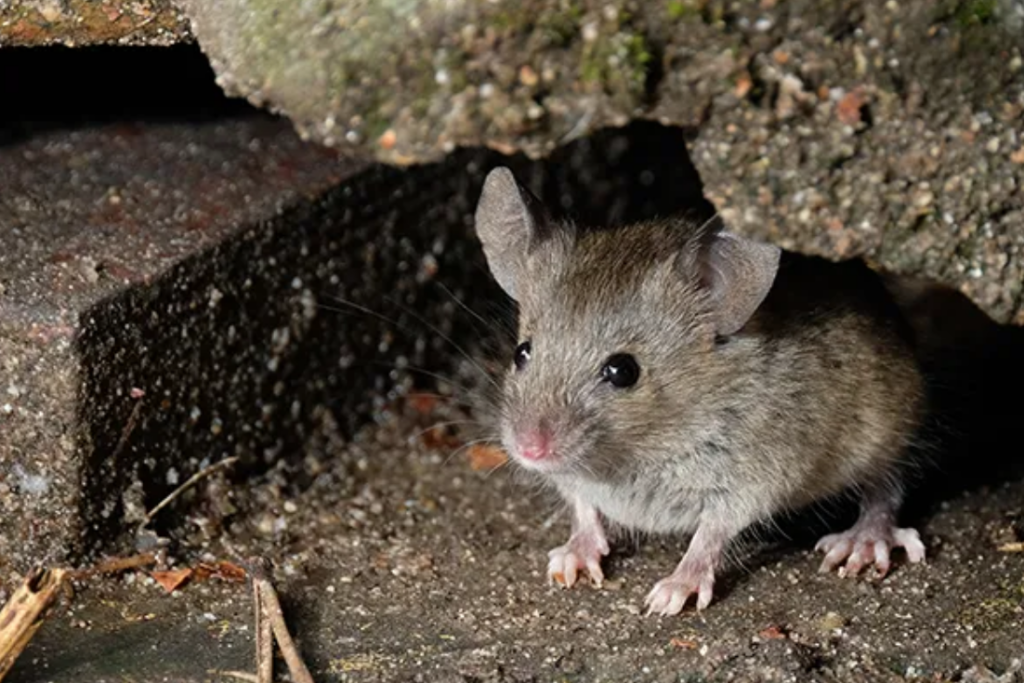
One of the earliest signs of an indoor infestation is the tiny, rice-sized droppings that house mice leave behind (image courtesy of All Pest Control & Solutions).
The most common indoor invader, house mice measure 2.5–3.75 inches with gray to brown fur and lighter underbellies. Females can produce up to 10 litters a year, so small infestations escalate quickly. They nest near food in walls, under appliances, and in storage areas. Their constant gnawing damages wiring, insulation, and wood, creating fire hazards and costly repairs.
2. Deer Mouse
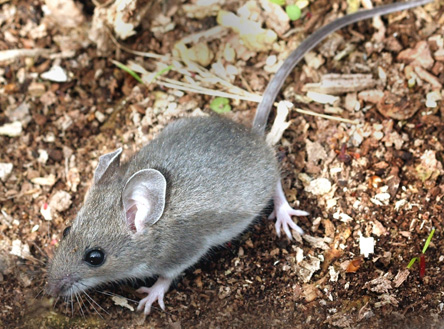
North American deer mice remain active year-round but reduce activity during cold or wet weather, operating nocturnally and potentially carrying Lyme disease (image courtesy of USDA Forest Services).
Deer mice are 3–4 inches long with reddish-brown backs, white underbellies, and bicolored tails. They prefer rural or semi-rural homes, garages, and seasonal properties. Deer mice carry Hantavirus Pulmonary Syndrome (HPS), a potentially fatal disease spread through contaminated dust, making professional removal especially important.
3. White-Footed Mouse
Slightly larger at 3.5–4.5 inches, these mice have white feet and reddish-brown backs. Often found near forests or parks, they climb into attics and upper stories with ease. They carry Hantavirus and ticks that can transmit Lyme disease. Nesting in walls or ceilings can cause nighttime noises, disturbing residents.

Deer and white-footed mice can carry dangerous diseases, making professional control essential (Image Courtesy of Animal Diversity Web).
4. Field Mouse

The two most common species of voles are the meadow vole (pictured above) and the pine vole (image courtesy of Maryland Biodiversity Project).
Field mice, also called voles or meadow mice, are 3–5 inches long and inhabit lawns, gardens, and fields. They damage roots, bulbs, and landscaping, and may move indoors into basements or crawl spaces. Their presence often signals gaps that other rodent species can exploit, making combined indoor and outdoor control essential.
What Are the 5 Clear Signs of Mice in Your Home?
1. Droppings
Fresh droppings are dark and moist; older ones are gray and crumbly. House mouse droppings are 1/8–1/4 inch long, shaped like dark rice grains, and often appear along baseboards, under sinks, inside cabinets, or near food. The number and placement can indicate infestation severity and key activity areas. Always wear gloves when handling droppings to prevent disease exposure.
2. Gnaw Marks
Mice gnaw to keep their teeth trimmed, leaving small holes or rough edges in food packages, cardboard, or plastic containers. Structural elements like baseboards, door frames, and furniture are also common targets. Fresh gnaw marks are light-colored, while older ones darken over time. Damaged electrical wiring poses serious fire risks and requires immediate professional attention.
3. Strange Noises
Mice are mostly nocturnal, producing scratching, scurrying, and squeaking sounds in walls, ceilings, and floors. Noises often peak at dawn and dusk. Persistent sounds, especially near kitchens or storage areas, indicate active travel routes and possibly a growing population.
4. Nesting Materials
Mice gather shredded paper, fabric, insulation, or plant matter to build nests. Common hiding spots include wall voids, attics, crawl spaces, and behind appliances. Nests often indicate established infestations with breeding pairs. Protective gloves and masks are recommended when inspecting nesting materials.
5. Pet Behavior & Sightings
Dogs and cats may paw, sniff, or stare at walls, cabinets, or appliances where mice hide. Actual daytime sightings usually signal a large or desperate population. Even a single sighting suggests many more are likely hidden in your home.
How to Mouse-Proof Your Virginia Home?
Seal Entry Points
Mice can enter through openings as small as 1/4 inch. Inspect foundations, gaps around pipes, vents, and doors. Use concrete patch, copper mesh, steel wool, and door sweeps to block access. Replace damaged vent screens with 1/4-inch hardware cloth. Don’t forget attic vents, crawl spaces, and garage openings, which are common entry points.
Proper Food Storage
Store dry goods, pet food, and other attractants in airtight containers. Clean counters, wipe spills promptly, and avoid leaving dishes overnight. Feed pets at set times and remove leftovers before nightfall. Even small items like bird seed, decorative corn, or chocolate can attract mice.

Droppings in cabinets or along baseboards are a key sign of active mouse infestations.
Yard Maintenance
Maintain an 18-inch vegetation-free perimeter around your home. Remove leaf piles, woodpiles, and debris. Store firewood elevated off the ground and at least 20 feet from the house. Harvest garden produce promptly, cover compost bins, and position bird feeders away from the home. Keep lawns trimmed and inspect outdoor storage areas for signs of mice.
Seasonal Prevention
Fall is critical as cooling temperatures drive mice indoors, seal gaps, repair screens, and check vents before winter. Spring cleaning disrupts potential nesting sites and prepares your home for breeding season. Summer maintenance should focus on trimming vegetation, clearing debris, and monitoring outdoor storage to prevent colonies from forming.
DIY Mouse Control Methods That Actually Work
Snap Traps
Wooden snap traps remain highly effective when positioned correctly, perpendicular to walls with the trigger facing the wall. Place traps in pairs along runways, behind appliances, and under sinks. Use strong-smelling, high-calorie baits like peanut butter, chocolate, or bacon bits. Check and reset traps daily, wearing gloves to avoid transferring human scent or contacting contaminated surfaces.
Live Traps
Live traps allow capture-and-release for humane control. Bait traps with aromatic foods and check frequently. Captured mice should be released at least 5 miles away in a safe habitat. Keep in mind that live trapping requires frequent monitoring and can stress animals, with survival uncertain once released.
Ultrasonic Repellers
These devices emit high-frequency sounds intended to repel mice. Effectiveness is inconsistent, and mice may acclimate over time. Sound waves cannot penetrate walls or furniture, creating coverage gaps. Use as a supplement, not a primary method, alongside traps and exclusion techniques.
Natural Repellents
Peppermint oil, predator urine, cayenne pepper, cloves, mothballs, or ammonia may deter mice. Scents dissipate quickly, requiring frequent reapplication. Natural repellents are most effective as part of a broader strategy rather than as standalone solutions.
Safety Tips for Cleaning Contaminated Areas
When cleaning up after rodents, wear gloves and N95 respirator masks for protection. Ventilate spaces for at least 30 minutes before beginning work, then spray surfaces with disinfectant before removal. Clean all affected areas with a bleach solution using a 1:10 ratio, and seal and dispose of all waste in plastic bags.
Professional Mouse Removal Options
When to Seek Professional Help
Signs that an infestation has outgrown DIY solutions include daytime sightings, multiple nests, or widespread activity inside walls and ceilings. Continuous captures without a decrease in activity also indicate a well-established population.
Homes with young children, elderly residents, or immunocompromised individuals face added risks from mouse-borne pathogens, making expert decontamination important when droppings appear in kitchens, bedrooms, or ventilation systems.
What Professional Services Offer
Technicians begin with a detailed inspection to locate entry points, travel routes, and nesting areas. Treatment plans are specific to your home, often combining exclusion work, strategically placed traps, and commercial-grade baiting.
Follow-up visits ensure progress is tracked and strategies adjusted as needed. Many services also provide guidance on preventing future infestations and offer guarantees or warranties to protect against reinfestation.
Stop a Virginia Mouse Problem Before It Spreads

Regular inspections and seasonal prevention strategies help keep mice out year-round.
Most Virginia mouse problems are manageable when you act on the steps above. Identify the species, watch for the five reliable signs of an active infestation (rice-grain droppings, gnaw marks, nighttime scratching, nesting material, and changes in pet behavior), then seal entry points down to 1/4 inch with copper mesh, steel wool, and concrete patch, store food in airtight containers, and keep an 18-inch vegetation-free perimeter around the house with adjustments each season.
When an infestation outgrows traps, the next step is professional rodent control. Connor’s Pest Pros serves homeowners across Northern Virginia, Maryland, and Washington, DC, with recurring programs that combine exclusion work, strategically placed traps, and commercial-grade baiting. We also offer same-day service for calls before noon, plus free re-treatments backed by our 100% satisfaction guarantee until the mice are gone. Reach out today for a free quote.
Frequently Asked Questions (FAQs)
Are any mice in Virginia protected or endangered species?
Virginia has protected species like the rock vole and eastern harvest mouse, but these rarely invade homes. Common residential mice, house, deer, white-footed, and field mice are not protected and may be legally controlled when causing property damage or health risks.
How quickly can mice reproduce in a Virginia home?
Mice reproduce rapidly. Females mature at 6–8 weeks and can produce 5–10 litters per year, each with 5–6 pups. A single pair can theoretically produce hundreds of descendants annually. Gestation lasts 19–21 days, and young begin reproducing almost immediately after weaning.
Can mice climb walls and get into my attic?
Yes. Mice climb vertical surfaces like brick, siding, and textured walls, using claws and tails for balance. They can jump up to 12 inches and run along wires or pipes, allowing access to attics, roof vents, eaves, and other upper-level nesting areas.
What’s the difference between mice and rats in Virginia?
Mice are smaller (2.5–4 inches) with thin tails, while rats are larger (7–10 inches) with proportionally shorter tails and bigger feet. Mice need 1/4-inch openings to enter homes, rats need larger gaps. Droppings and behavior patterns also differ, affecting control methods.
Do cats effectively control mouse populations in homes?
Cats may help reduce visible mouse activity, but their effectiveness depends on hunting instinct, population size, and home layout. Even active cats rarely reach nests in walls or crawl spaces. For reliable, comprehensive control of established infestations, professional services like Connor’s Pest Pros provide targeted solutions and long-term protection.
*Price estimates reflect current market costs and may vary based on your specific situation. For a personalized quote tailored to your needs, contact us directly or request your FREE estimate today!