

Key Takeaways
- Finding mystery droppings in the attic, kitchen, or basement means the first job is identifying the pest before any trap, bait, or cleanup decision gets made.
- Misidentifying squirrels and rats wastes money on the wrong traps and can trigger legal trouble, since squirrel trapping in Virginia and Maryland often requires a state permit that rat control does not.
- Connor’s Pest Pros identifies the species in one visit, pulls any required squirrel permits, and runs species-specific traps so you do not waste a season on the wrong fix.
- Squirrel droppings are about ⅜” long with rounded ends and show up in attics and near vents, while rat droppings run ½” to ¾” with pointed ends and collect along baseboards near food, with a single rat leaving up to 50 pellets a day.
- Connor’s Pest Pros provides same-day rodent control across Virginia, DC, and Maryland with licensed technicians, free inspections, and free re-treatments until the problem is gone.
How Can You Tell Squirrel Droppings from Rat Droppings?
Squirrel droppings run about ⅜” long with rounded ends and turn up in attics or near vents, while rat droppings are ½” to ¾” with pointed ends and collect along baseboards near food sources. Connor’s Pest Pros, the licensed pest team serving Virginia, DC, and Maryland, uses three quick checks (size, shape, and where you found them) to ID the species before setting a single trap, since which pest you have decides which trap is legal. Squirrel removal in Virginia and Maryland often requires a state permit that rat control does not.
Mystery droppings in the attic or behind the fridge are rarely a one-off, and the wrong removal plan can stretch a fix out for months. The rest of this guide walks through the visual clues, the health risks tied to each species, and the cleanup steps that keep you safe and legal.
|
Connor’s Pest Pros: Family-Owned Pest Control Experts Choose Your Pest Protection Solution:
Customer Praise:
★★★★★ “Quick to answer my call and available same-day… I recommend them to anyone looking for pest control in NOVA.” – Jacquelyn L.
Why Choose Connor’s Pest Pros:
|
Squirrel Droppings
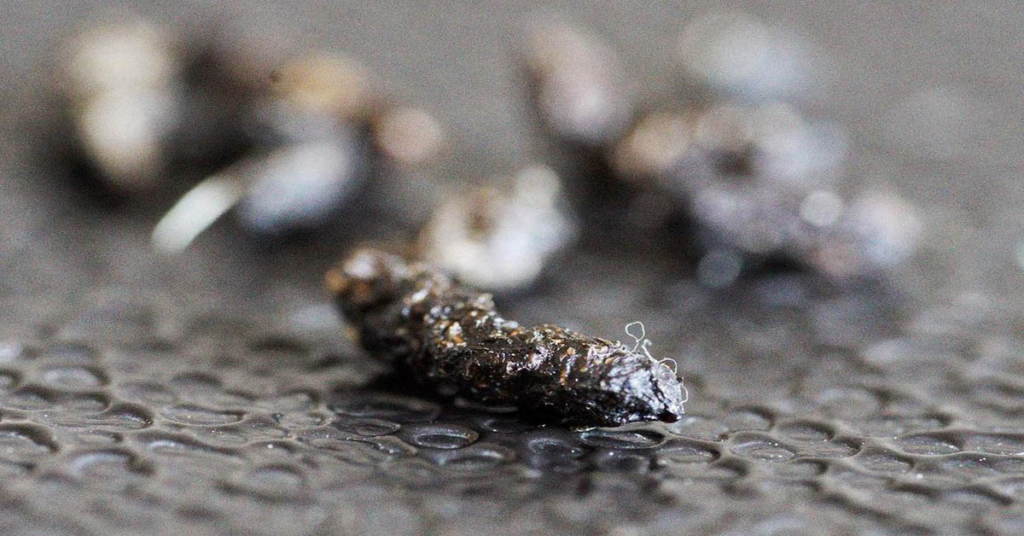
Squirrel droppings are small and oblong, somewhat resembling round capsules (image courtesy of Learn About Animal).
Squirrel droppings look like nature’s tiny Tootsie Rolls, but far less appealing. Typically, they’re about ⅜” long with rounded edges and a smooth texture.
The color varies depending on how fresh they are. New droppings appear dark brown or almost black, while older ones fade to a lighter brown or gray as they dry out.
You can find these droppings in areas where squirrels are likely to frequent, such as attics, near vents, or around insulation. Attics are common nesting areas for squirrels, where they shove aside insulation and leave deposits of tiny droppings near their hiding spots. If you find droppings next to chewed-up materials like wood or paper, it’s likely squirrels you’re dealing with.
Spot squirrel droppings, and it’s unlikely they’re just passing through. In most cases, finding them means the squirrels are planning to stick around and are setting up their nesting areas.
Rat Droppings
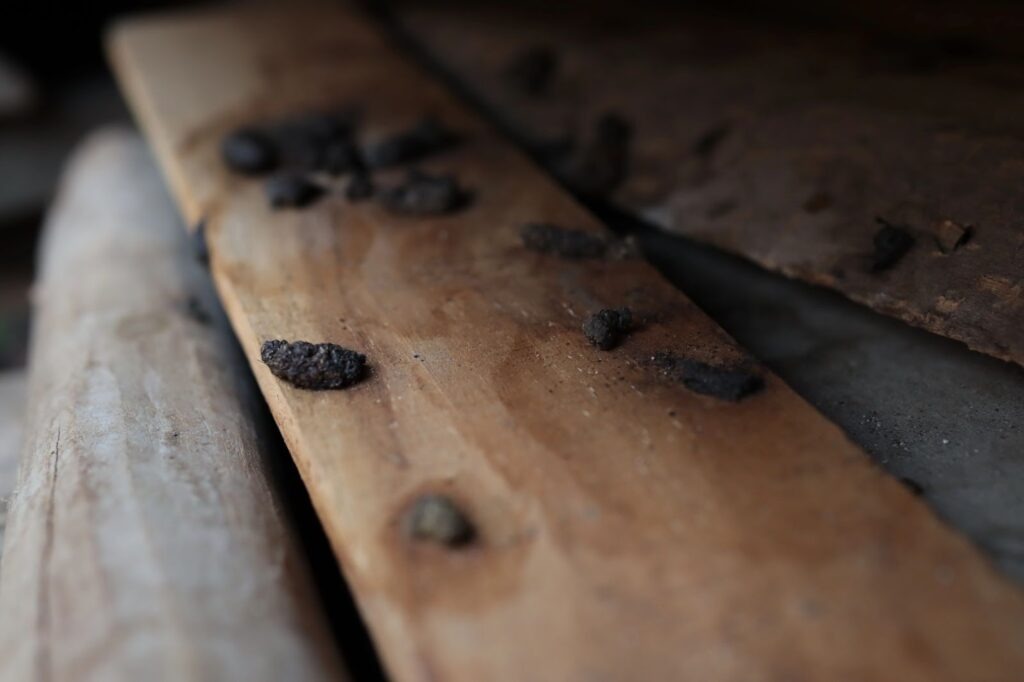
The shape of rat droppings remain relatively consistent.
Rat droppings are somewhat bulkier and more consistent in shape than squirrel droppings. On average, they’re ½ to ¾” inch long and have pointed ends. Less smooth than squirrel droppings, they have a rougher texture.
Another indicator may be the quantity. Rats can produce up to 50 droppings daily, meaning you’re more likely to find them scattered across a variety of surfaces, like hidden spots near food or water sources.
Some common locations for rat droppings include dark, enclosed areas like basements, under appliances, and along baseboards. Rats tend to stick close to their food sources, so you may notice droppings in your kitchen or near pet food containers.
Fresh rat droppings are dark and moist, becoming dry and crumbly over time. Spotting droppings of varying sizes (some bigger, some smaller) can mean both adult and juvenile rats are present. This is bad news, as it means the scale of the infestation is likely growing.
Squirrel Droppings vs. Rat Droppings Key Differences
| Feature | Squirrel Droppings | Rat Droppings |
| Size | About 3/8 inch long | 1/2 to 3/4 inch long |
| Shape | Small, oblong, rounded edges resembling tiny capsules | Bulkier, pointed ends |
| Texture | Smooth texture | Rougher texture |
| Color | Dark brown to light brown or gray when old | Dark and moist when fresh, dry and crumbly when old |
| Typical Locations | Attics, near vents, insulation, high areas, near chewing sites | Basements, under appliances, along baseboards, near food and water sources |
| Quantity | Usually fewer in number, indicating nesting | Up to 50 droppings daily, scattered widely |
| Health Risks | May carry tularemia and leptospirosis | Can spread Hantavirus, Lassa Virus, Salmonella, leptospirosis |
| Pest Behavior Indication | Usually indicates squirrels nesting in the area | Presence of adults and juveniles can indicate growing infestation |
| Cleanup Note | Requires careful cleaning, permits might be needed for trapping squirrels | Requires careful cleaning, rats harder to trap due to neophobia |
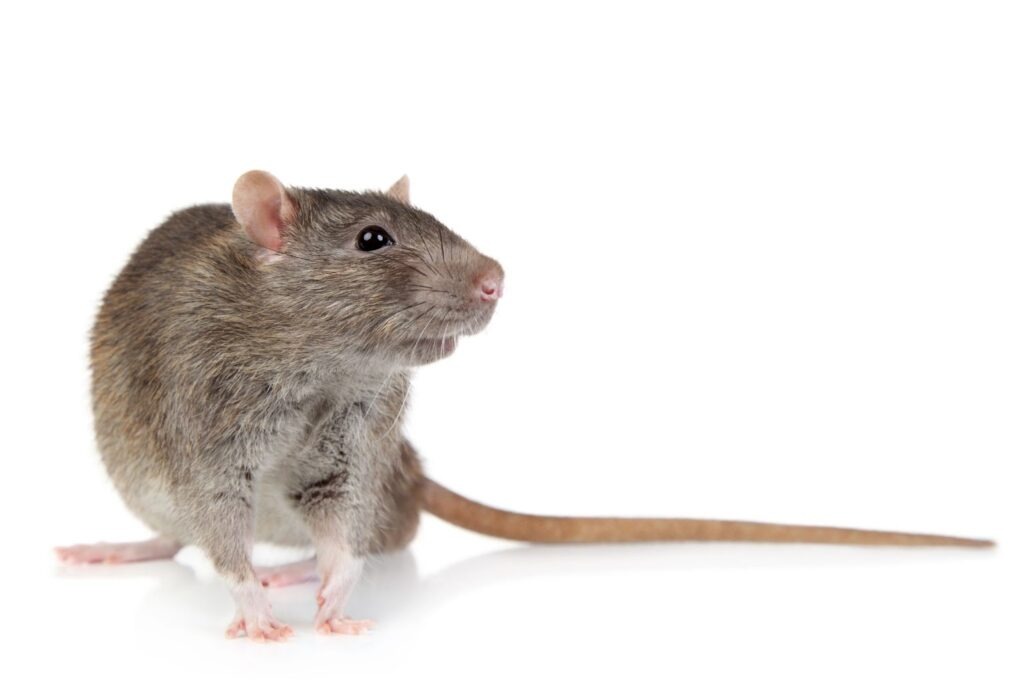
Without knowing if it’s a rat or squirrel doing its business in your home, you can’t effectively treat it.
What Should You Do if You Spot Droppings of Any Kind?
Regardless of what kind of pest you’re dealing with, avoid direct contact with any kind of animal droppings. Clean them up carefully, wearing gloves and ideally, a face mask, to minimize your exposure to harmful bacteria and viruses. Disinfect the area thoroughly to kill any lingering contaminants.
Next, address the source. Many homeowners attempt a do-it-yourself approach by setting traps or baits, but for squirrels, you need to tread carefully. Trapping squirrels is subject to state laws and often requires a permit.
Without the proper approach, you also risk injury.
Rats might seem to be easier to trap, but their intelligence and tendency to avoid unfamiliar items (a trait called neophobia) can make it tricky to catch them without the right know-how.
The Fast Way to Get the Right Rodent Out of Your Home
Reading those tiny clues right (pellet size, shape, and where they landed) turns a months-long guessing game into a single targeted visit. Squirrels need attic exclusion and, in Virginia and Maryland, a permitted trap, while rats need baseboard-level baiting and sealed entry points around the kitchen and basement.
If you’re dealing with squirrels chewing through insulation or mice contaminating your kitchen, we’ve got the expertise to handle it all.
Connor’s Pest Pros runs the species ID, pulls any required squirrel permits, sets the right traps, and handles cleanup so the same droppings do not turn up again next week. Free inspections, free re-treatments, and same-day service across Northern Virginia, DC, and Maryland keep one rodent sighting from becoming a season-long problem.
Get a free inspection from Connor’s Pest Pros and have the right rodent out of your home by tomorrow.
Reach out today for a free quote!
Frequently Asked Questions (FAQ)
How quickly can I tell if droppings are from squirrels or rats?
You can usually identify the pest within minutes by examining the size, shape, and texture of the droppings. Squirrel droppings are smaller with rounded edges, while rat droppings are larger with pointed ends. Location also provides immediate clues, as squirrel droppings in attics versus rat droppings near food sources at ground level.
Are fresh droppings more dangerous than old ones?
Fresh droppings pose higher immediate health risks as they contain more active pathogens and are more likely to spread disease. However, old droppings can become airborne when disturbed, creating respiratory hazards. Both require careful handling with protective equipment regardless of age.
Can I use the same removal methods for both squirrel and rat droppings?
While cleanup safety procedures are similar, the pest control approaches differ significantly. Squirrel removal often requires permits and specialized techniques due to legal protections, while rat control involves different trapping methods and bait strategies. Proper species identification makes treatment work.
How many droppings indicate a serious infestation?
Finding more than 10–15 droppings suggests an active infestation requiring professional intervention. Rats produce up to 50 droppings daily, so large quantities indicate established colonies. Even small amounts of squirrel droppings often mean they’ve established nesting sites and won’t leave on their own.
What makes Connor’s Pest Pros different for rodent identification and control?
Connor’s Pest Pros offers same-day service with licensed professionals who specialize in accurate pest identification and customized treatment plans. We provide free inspections, use humane and legal removal methods, and back our work with free re-treatments and a 100% satisfaction guarantee. Our expertise gets you the right solution for your specific rodent problem the first time.
*Price estimates reflect current market costs and may vary based on your specific situation. For a personalized quote tailored to your needs, contact us directly or request your FREE estimate today!