
Key Takeaways
- Squirrel droppings are barrel-shaped, about 3/8 inch long, and often have rounded ends compared to the pointed ends of mouse droppings.
- Mouse poop is significantly smaller (1/4 inch long), darker, and more frequently scattered throughout a home compared to squirrel droppings.
- Squirrel droppings are commonly found in attics and near trees, while mouse droppings appear in kitchens, cabinets, and along walls.
- Connor’s Pest Pros helps homeowners identify and address rodent issues with thorough inspections, expert guidance, and targeted treatment solutions, backed by fast service and a 100% satisfaction guarantee.
Spot the Difference: Squirrel Poop vs Mouse Poop
Identifying the source of droppings in your home is a critical first step in effective pest management. When homeowners find small, dark pellets indoors or around the property, it’s common to question whether squirrels or mice are responsible, as the droppings can look similar at first glance.
However, squirrel and mouse droppings differ in size, shape, colour, and where they’re typically found. Recognising these differences helps pinpoint the specific pest involved, allowing you to take targeted control measures instead of relying on general solutions that may not resolve the issue.
|
Connor’s Pest Pros: Family-Owned Pest Control Experts Choose Your Pest Protection Solution:
Customer Praise:
★★★★★ “Quick to answer my call and available same-day… I recommend them to anyone looking for pest control in NOVA.” – Jacquelyn L.
Why Choose Connor’s Pest Pros:
|
Identifying Squirrel Droppings in Your Home
Squirrels are relatively large rodents compared to mice, and their droppings reflect this size difference. Typically measuring about 3/8 inch in length, squirrel droppings are significantly larger than mouse droppings.
They have a characteristic barrel or pellet shape with slightly bulged centers and rounded ends. This rounded end feature is one of the most reliable ways to distinguish them from mouse droppings, which have pointed ends.
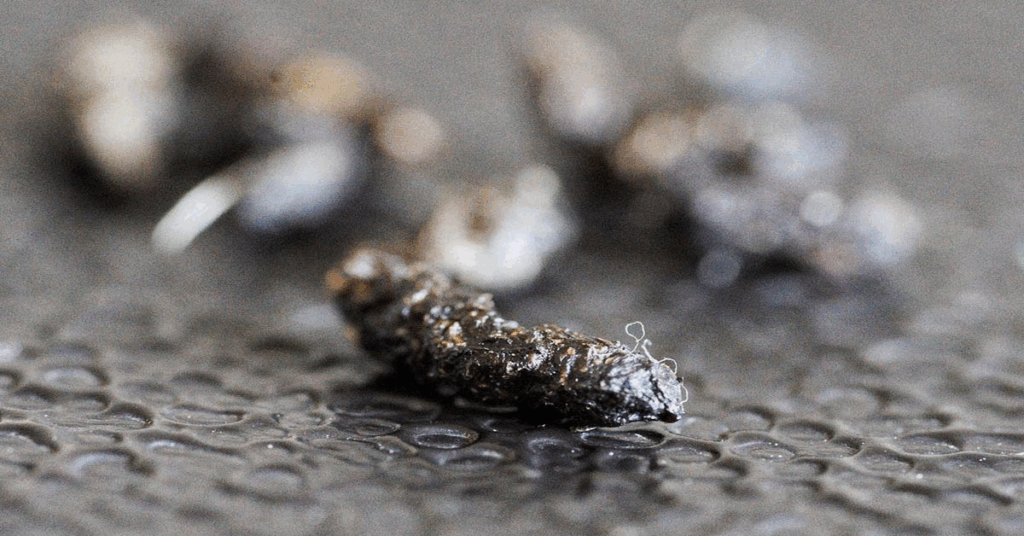
Fresh squirrel feces are usually dark brown to reddish-brown when fresh, gradually lightening to a tan color as they age and dry out. (Image source: Learn About Animal)
The color of squirrel droppings provides another important identification clue. The varying shades often relate to the squirrel’s diet, which consists primarily of nuts, seeds, fruits, and occasionally insects.
This diet diversity can sometimes result in droppings with hints of red, green, or tan coloration.
Distinct Features of Squirrel Droppings
Unlike mouse droppings, squirrel feces often appear in concentrated piles or clusters rather than scattered individual pellets.
This clustering happens because squirrels tend to designate specific “bathroom areas” near their nests or feeding spots. You might find collections of 8–15 droppings in a single location, which is a strong indicator of squirrel activity rather than a mouse infestation.
The texture of squirrel droppings changes noticeably over time. Fresh droppings are moist and soft with a glossy appearance.
As they age, they become dry, hard, and crumbly, eventually turning a lighter shade of brown. Finding droppings in various stages of decomposition suggests ongoing squirrel activity rather than a one-time visitor.
Squirrel droppings also have a distinct odor that, while not overpowering, can become noticeable in enclosed spaces with significant accumulation. The smell is typically musty and earthy rather than the sharp, ammonia-like odor associated with mouse urine.
Where Squirrels Leave Their Droppings
The location of droppings provides valuable clues about which rodent you’re dealing with. Squirrels predominantly leave droppings in predictable locations related to their nesting and feeding habits.
The most common areas to find squirrel droppings include attics, crawlspaces, and along roof edges where they gain entry to homes. Outside, look for droppings at the base of trees, on deck railings, or near bird feeders that attract these opportunistic feeders.
Unlike mice, squirrels rarely leave droppings in kitchen cabinets or food storage areas inside the main living spaces of a home.
They typically restrict their activities to attics, eaves, and exterior areas unless they’ve established an extensive presence in the building. Finding droppings primarily in the upper areas of your home strongly suggests squirrel activity rather than mice, which tend to stay closer to the ground.
Identifying Mouse Droppings in Your Home
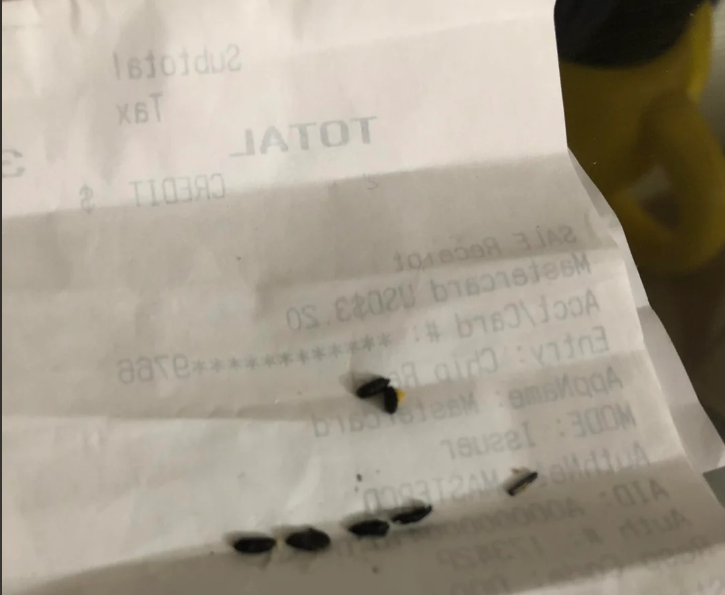
Mouse droppings present distinctly different characteristics from squirrel waste, making them relatively straightforward to identify once you know what to look for.
Understanding these differences is crucial for effective pest management and protecting your home from the specific health risks these rodents present.
Distinct Features of Mouse Droppings
Mouse droppings are significantly smaller than squirrel feces, typically measuring about 1/4 inch in length—roughly the size of a grain of rice. The shape is another key differentiator, with mouse droppings featuring pointed ends rather than the rounded tips characteristic of squirrel waste.
This tapered shape, combined with their smaller size, gives mouse droppings a more spindle-like appearance, resembling dark rice grains or small seeds.
The color tends to be dark brown to black, with a more uniform appearance than the variable coloration seen in squirrel droppings.
Where Mice Leave Their Droppings
Unlike squirrels, mice are prolific producers of droppings, often leaving 50–75 pellets per day scattered throughout their territory.
You’ll typically find mouse droppings along baseboards, in kitchen cabinets, under sinks, inside drawers, and near food sources. This wide distribution pattern occurs because mice defecate while on the move, leaving a trail of droppings that can help you track their travel routes through your home.
Mouse droppings frequently appear in food storage areas, including pantries, cupboards, and other areas where edible items are kept.
Finding droppings in these locations strongly indicates a mouse problem rather than squirrels, as squirrels rarely venture into these interior spaces. Pay particular attention to dark, quiet areas near heat sources, as these provide ideal nesting locations for mice seeking warmth and safety.
How Fresh vs Old Mouse Droppings Look
The age of mouse droppings provides valuable information about whether you’re dealing with an active infestation or past activity.
Fresh mouse droppings appear shiny, moist, and dark—almost black in color. They have a soft, putty-like consistency when fresh and will smear if crushed.
As droppings age over several days, they become dry, hard, and crumbly, eventually turning a duller gray-brown color. This aging process helps determine if mice are currently active in your home or if you’re seeing evidence of a previous infestation, which is crucial information for effective treatment planning.
Treatment Options for Infestations
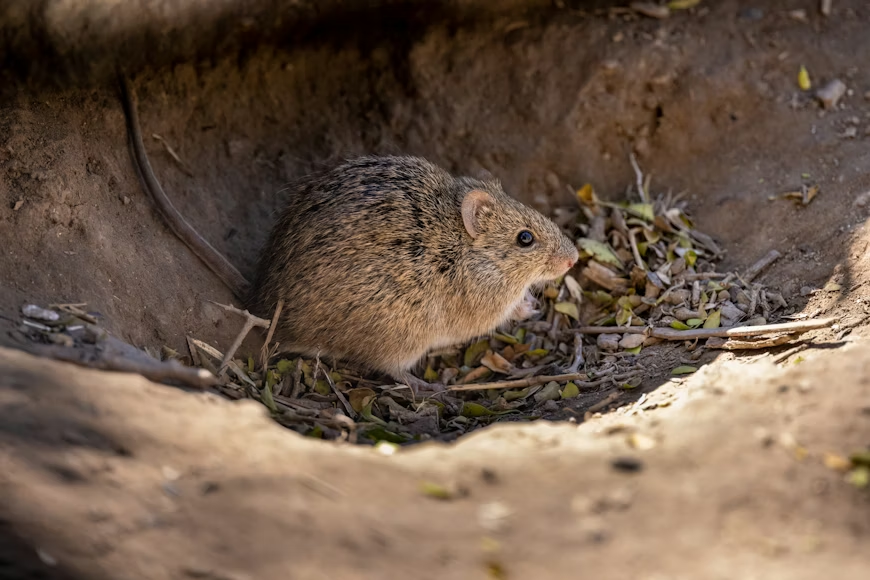
Treatment strategies differ significantly between squirrels and mice due to their different behaviors, habitats, and legal protections in some areas.
Humane Trapping Methods for Squirrels
For squirrel problems, humane live trapping is often the most effective and ethical approach. Live cage traps baited with peanut butter, nuts, or fruit can be placed near entry points or along known travel routes.
Once captured, squirrels should be released at least 5 miles from your home to prevent their return.
Effective Mouse Control Techniques
Mouse infestations typically require a multi-faceted approach combining trapping, exclusion, and sanitation.
Traditional snap traps remain highly effective when placed perpendicular to walls where mice travel, with the trigger end facing the wall. Bait traps with peanut butter, chocolate, or seeds for best results.
For larger infestations, multiple traps should be placed simultaneously rather than one or two at a time.
Exclusion work is equally essential for lasting mouse control. Seal all potential entry points using steel wool, copper mesh, or metal flashing, paying special attention to gaps around pipes, vents, and foundation cracks.
Long-Term Solutions vs Quick Fixes
While immediate removal of rodents is important, implementing long-term prevention strategies provides the most sustainable solution.
For squirrels, this means trimming tree branches that provide access to the roof, installing chimney caps, and regularly inspecting your home’s exterior for potential entry points.
For mice, ongoing prevention includes maintaining clean food storage areas, eliminating clutter that provides nesting materials, and conducting periodic inspections of previously sealed areas.
Professional pest management services offer comprehensive treatment plans that address both immediate infestations and future prevention. These plans typically include initial treatment, follow-up inspections, and maintenance services to ensure lasting results.
Squirrel Poop vs Mouse Poop: Comparison Table
| Characteristic | Squirrel Droppings | Mouse Droppings |
| Size | Approximately 3/8 inch long | Approximately 1/4 inch long (size of a rice grain) |
| Shape | Barrel or pellet-shaped with bulged centers | Spindle-like with tapered shape; resembles dark rice grains |
| End Shape | Rounded ends (key identifier) | Pointed ends (key identifier) |
| Color (Fresh) | Dark brown to reddish-brown; slightly glossy | Dark brown to black; shiny appearance |
| Color (Aged) | Lightens to tan as they dry out | Turns dull gray-brown; loses shine |
| Texture (Fresh) | Moist, soft with a glossy appearance | Soft, putty-like consistency; will smear if crushed |
| Texture (Aged) | Dry, hard, and crumbly | Dry, hard, and crumbly |
| Coloration Variation | Variable (red, green, or tan hints due to diet diversity) | More uniform dark appearance |
| Distribution Pattern | Concentrated piles or clusters (8–15 droppings in one location) | Widely scattered throughout the territory; left while on the move |
| Quantity | Moderate amounts in specific areas | Prolific (50–75 pellets per day per mouse) |
| Primary Indoor Locations | Attics, crawlspaces, roof edges, upper areas of the home | Kitchens, cabinets, under sinks, drawers, pantries, along baseboards |
| Outdoor Locations | Base of trees, deck railings, near bird feeders | Near foundations, along walls, near entry points |
| Odor | Musty and earthy; noticeable in enclosed spaces with accumulation | Sharp, ammonia-like odor from urine (more pungent than droppings alone) |
| Found Near Food? | Rarely in kitchen/food storage areas | Frequently in food storage areas, pantries, cupboards |
| Vertical Location | Upper areas (attics, eaves) | Primarily ground level and lower areas |
| Health Risks | Salmonellosis, Leptospirosis, Hantavirus | Salmonellosis, Leptospirosis, Hantavirus |
| Behavior Pattern | Designate specific “bathroom areas” | Defecate while moving, creating trails |
| Activity Clues | Finding various decomposition stages suggests ongoing activity | Fresh vs old droppings indicate active vs past infestation |
| Entry Points | Roof access, tree branches, upper openings (1.5+ inches) | Foundation cracks, gaps around pipes/vents, small openings (1/4 inch) |
| Treatment Approach | Humane live trapping; release 5+ miles away | Snap traps, exclusion, sanitation; a multi-faceted approach |
How Connor’s Pest Pros Can Help
Connor’s Pest Pros specializes in integrated multi-species management through comprehensive property-wide assessments that identify all rodent species present.
Identifying whether droppings come from squirrels or mice is the first step toward choosing the right treatment. Connor’s Pest Pros provides accurate pest identification and targeted solutions based on the specific animal involved, helping homeowners avoid guesswork and ineffective control methods.
Our process starts with a detailed inspection to identify entry points, nesting areas, and conditions attracting rodents. From there, we recommend a focused plan that may include humane removal, exclusion work, and habitat modifications to prevent future activity, all performed in line with legal and humane standards.
When droppings are discovered, we offer same-day identification and treatment options, along with ongoing protection plans to prevent recurrence. For urgent rodent situations, our 24/7 emergency response ensures immediate help when you need it most.
Backed by 415+ five-star reviews, a 2024 Angi Super Service Award, and a 100% satisfaction guarantee, Connor’s Pest Pros helps keep your home protected from squirrels, mice, and other nuisance wildlife.
Contact us today for your free quote!
Frequently Asked Questions (FAQs)
How quickly do I need to clean up rodent droppings?
Rodent droppings should be cleaned up as soon as possible after discovery. Both squirrel and mouse droppings can harbor dangerous pathogens, including Hantavirus, Salmonella, and Leptospirosis.
Can I distinguish between flying squirrel and regular squirrel poop?
Flying squirrel droppings are typically smaller than those of tree squirrels like gray or fox squirrels, usually measuring about 1/4 inch compared to the 3/8 inch length of regular squirrel droppings. Flying squirrel feces tend to be more elongated and slightly curved, while maintaining the rounded ends characteristic of all squirrel droppings.
What cleaning products are most effective for disinfecting areas with rodent droppings?
A bleach solution (1 part bleach to 10 parts water) remains the most recommended disinfectant for rodent droppings as it effectively kills viruses and bacteria associated with rodent waste. For surfaces that might be damaged by bleach, commercial disinfectants specifically labeled for viruses and bacteria are acceptable alternatives.
How can I tell if rodent droppings are fresh or old?
Fresh rodent droppings have a shiny, wet appearance and soft texture. They’re typically darker in color—almost black for mouse droppings and dark brown for squirrel droppings. When touched (always with gloves), fresh droppings will feel moist and may smear. As droppings age, they become dry, crumbly, and lighter in color, often turning a grayish or light brown.
What makes Connor’s Pest Pros better than single-species rodent control?
Connor’s Pest Pros provides integrated multi-species management and cross-contamination prevention. With 415+ five-star reviews, our 2024 Angi Super Service Award, and a 100% satisfaction guarantee, we’ve proven our expertise through integrated approaches that single-species control cannot match.
*Image Disclaimer: Some images used in this blog post are sourced from third-party websites and remain the property of their respective owners unless otherwise stated. We do not claim ownership of these images and use them for illustrative purposes only.