

Key Takeaways
- Virginia homes host seven common bug species with very different risk levels: termites and bed bugs cause real harm, while stink bugs, centipedes, and most ants are nuisances that pose no structural or health threat.
- Many homeowners treat all indoor bugs as equally urgent, which leads to wasted effort on low-risk pests and delayed action on the ones that actually damage homes or disrupt sleep.
- Connor’s Pest Pros handles the full range, from a single stink bug invasion to an active termite infestation, with same-day service across the D.C. metro area and customized treatment plans for each situation.
- Termites alone cost U.S. homeowners an estimated $5 billion annually in control and repairs, and Eastern subterranean termite colonies in Virginia can number in the millions before any visible sign appears.
- Knowing which bug you have, where it hides, and how harmful it is saves time and prevents costly mistakes. Connor’s Pest Pros pest control services cover all seven species covered in this guide.
Which Bugs Should Virginia Homeowners Actually Worry About?
The seven most common house bugs found in Virginia homes range from termites, which can quietly destroy structural wood over months, to stink bugs, which are harmless beyond the smell they leave behind when disturbed. Termites and bed bugs sit at the top of the risk scale, while centipedes, silverfish, and most ant species fall at the lower end. That gap matters because urgent pests and nuisance pests need completely different responses, and misidentifying one wastes time and money.
Where you find a bug and what it looks like are the two fastest ways to identify it. A shield-shaped brown insect near your windows in October is almost certainly a stink bug. A pale, wriggling insect near your bathroom drain is likely a silverfish. The sections below cover each species: what it looks like, where it occurs, and the extent of its threat.
|
Connor’s Pest Pros: Family-Owned Pest Control Experts Choose Your Pest Protection Solution:
Customer Praise:
★★★★★ “Quick to answer my call and available same-day… I recommend them to anyone looking for pest control in NOVA.” – Jacquelyn L.
Why Choose Connor’s Pest Pros:
|
What Are the Common House Bugs in Virginia and How Do You Identify Them?
1. Termites
Termites are among the most damaging pests a Virginia homeowner can face. The Eastern subterranean termite is the most widespread species in the state, living in underground colonies numbering in the millions. They feed on cellulose found in wood, paper, and other plant-based materials, quietly destroying the structural elements of a home over months or years before any visible signs appear.
To identify them, look for small, creamy-white to pale brown insects about a quarter-inch long. Swarmers, the winged reproductive termites, are often the first sign of an active colony and are frequently mistaken for flying ants. The key difference is that termites have straight antennae, equal-length wings, and a broad waist, while flying ants have bent antennae, unequal wings, and a pinched waist. Mud tubes along your foundation walls are another strong indicator.
Harmfulness: High. Termites cause an estimated $5 billion in property damage across the U.S. annually. They are not directly dangerous to people, but the structural damage they cause can be severe and costly to repair.
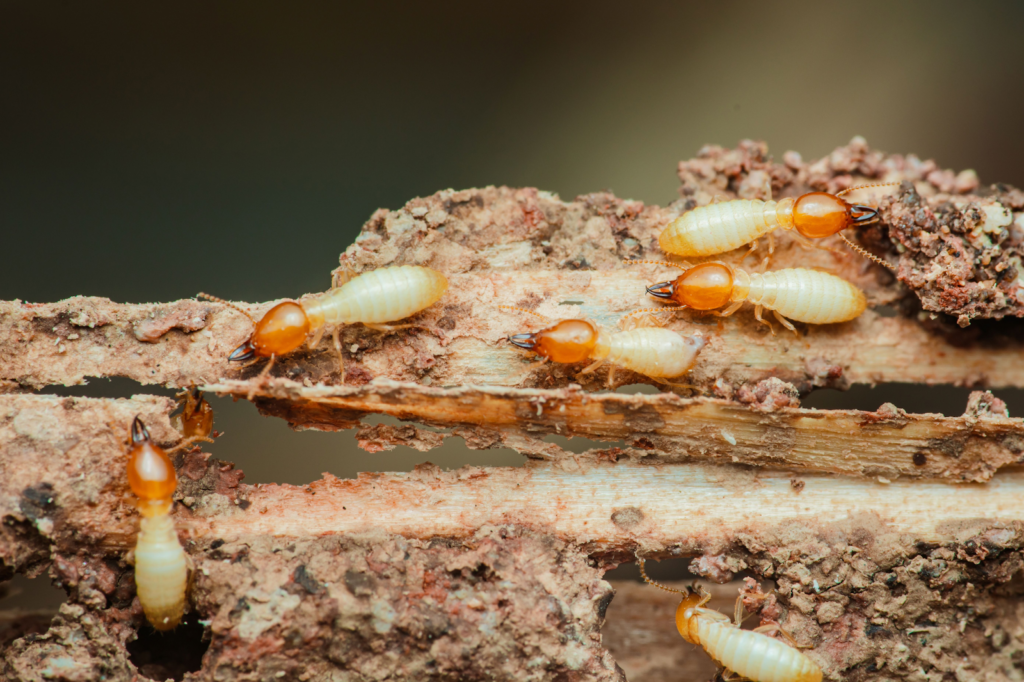
Termites are the most destructive house bug in Virginia, capable of silently damaging a home’s structure for months before any visible sign appears.
2. Bed Bugs
Bed bugs are small, reddish-brown insects about the size of an apple seed, roughly 4-5mm long. They are flat and oval when unfed, but they swell and elongate after a blood meal. They do not fly or jump, but they move quickly across surfaces.
In Virginia, bed bugs are found in homes, hotels, apartment buildings, and other places where people sleep regularly. They hide in mattress seams, bed frames, headboards, baseboards, and behind electrical outlets. One of the most reliable indicators is the presence of small rust-colored stains on bedding or shed skins, or a sweet, musty odor in heavily infested rooms.
Harmfulness: Moderate to High. Bed bugs are not known to transmit disease, but their bites cause itching and welts, and sleep disruption. Some people develop allergic reactions, and the psychological toll of an infestation can be significant.
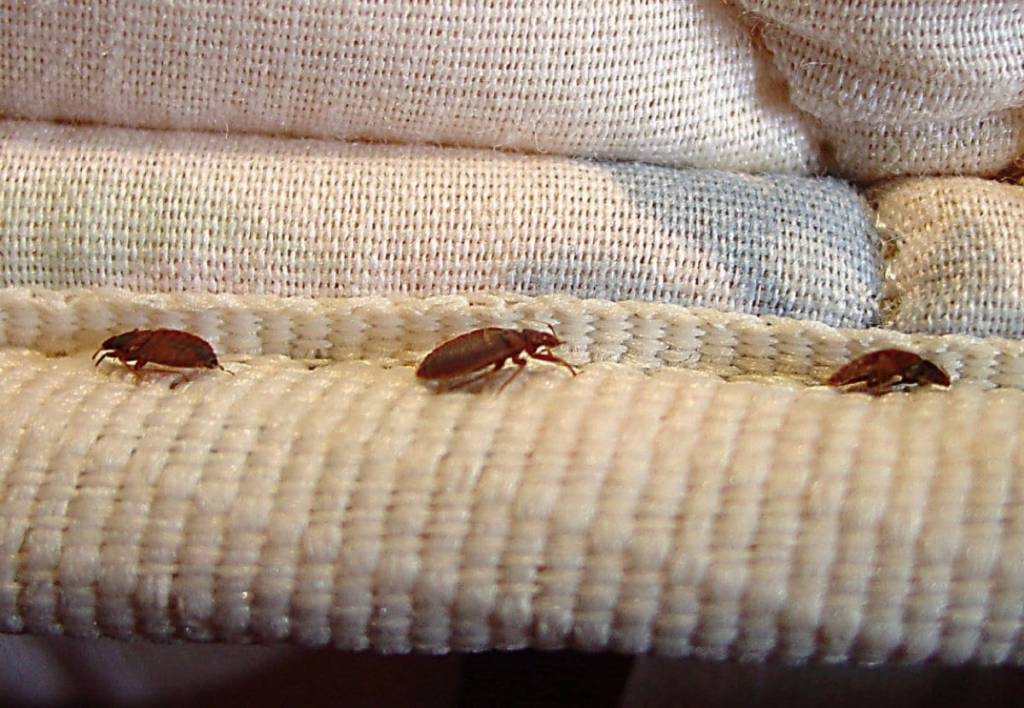
Rust-colored stains on bedding and a musty odor are two of the most reliable early signs of a bed bug infestation in your home.
3. Stink Bugs
The brown marmorated stink bug is a well-known nuisance in Virginia, especially in the fall, when they push indoors in search of warmth. They are shield-shaped, roughly three-quarters of an inch long, and brown with mottled patterning on their backs. Their legs are banded with alternating light and dark segments.
Stink bugs do not bite, sting, or damage your home’s structure. The name comes from the foul-smelling chemical they release when threatened or crushed, which can linger in a room. They typically congregate near windows, in attics, and behind wall voids during cooler months.
Harmfulness: Low. They are primarily a nuisance pest. The smell is unpleasant, but they pose no health risk and cause no structural damage indoors.
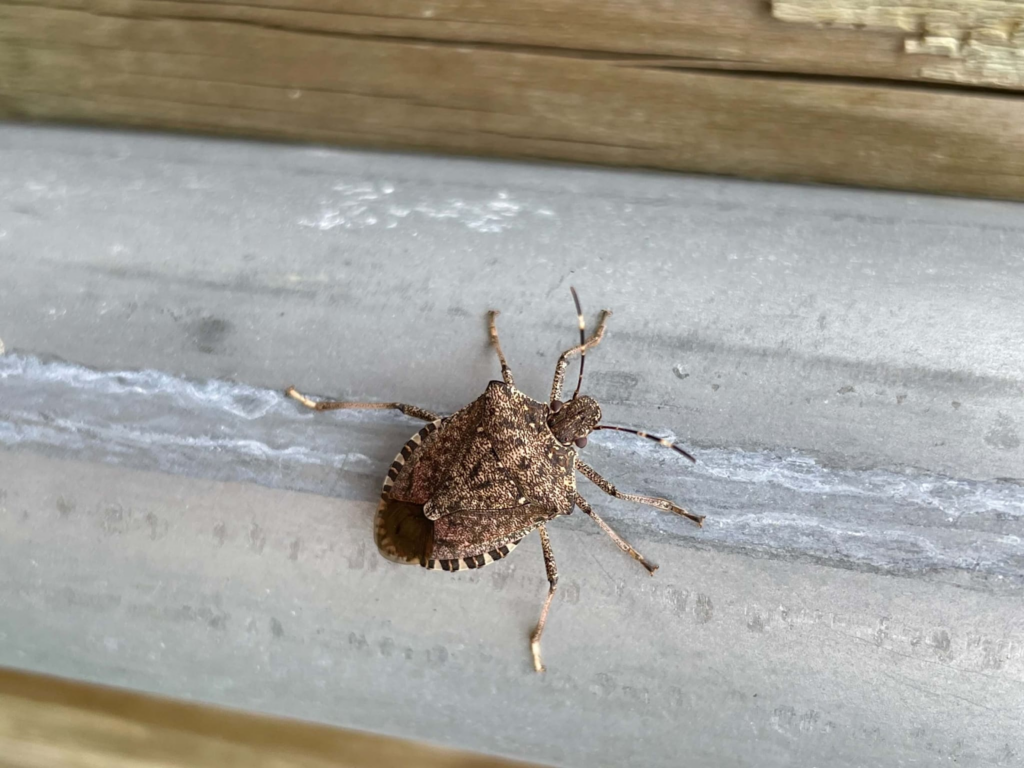
Stink bugs pose no health risk or structural threat indoors, but their foul odor when crushed or disturbed makes them one of Virginia’s most unwelcome fall invaders.
4. House Centipedes
House centipedes are fast-moving, yellowish-gray arthropods with up to 15 pairs of long, banded legs and two prominent antennae. They are typically an inch to an inch and a half long and commonly found in basements, bathrooms, and other damp areas.
They are predatory, feeding on other insects, including silverfish, spiders, and cockroaches, which means their presence can signal a broader pest issue. Their speed and appearance startle many homeowners, but they prefer to avoid humans.
Harmfulness: Low. House centipedes can technically bite if handled, but this is rare, and the venom causes minimal irritation in most people. They are more of a visual nuisance than a real threat.
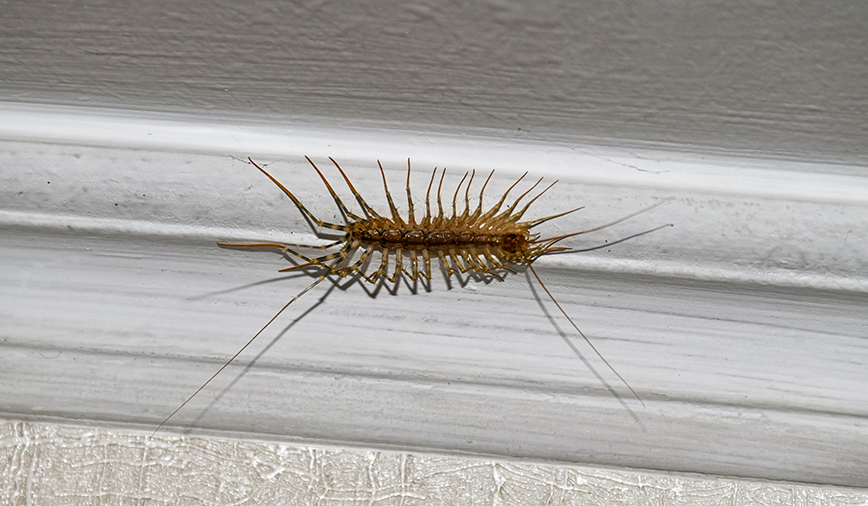
A house centipede indoors often signals a broader pest problem, since they actively hunt silverfish, spiders, and cockroaches as their primary food source.
5. Silverfish
Silverfish are small, wingless insects with a metallic silver color and a distinctive tapered, fish-like body. They are roughly half an inch to three-quarters of an inch long with two long antennae at the front and three bristle-like tails at the rear. They move in a quick, wriggling motion.
They thrive in humid environments and are often found in bathrooms, laundry rooms, kitchens, and attics. They feed on starchy materials, including book bindings, wallpaper glue, clothing, and cardboard, which can damage stored paper goods and fabric over time.
Harmfulness: Low to Moderate. They do not bite or transmit disease, but prolonged infestations can cause damage to books, documents, and clothing.
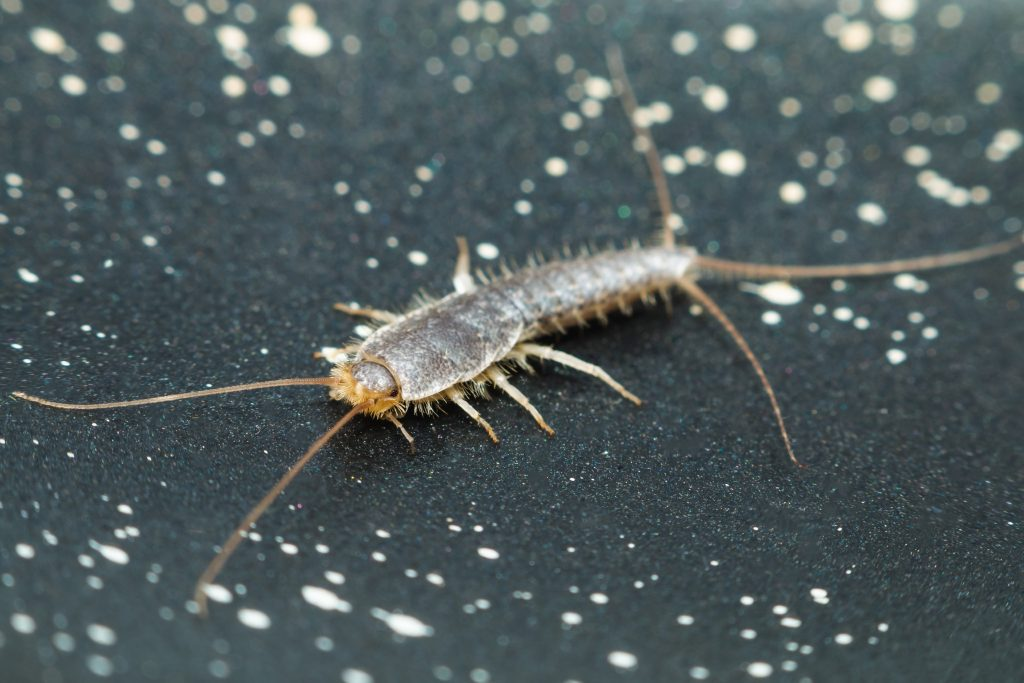
Silverfish thrive in damp, humid spaces and can silently damage books, clothing, and wallpaper long before most homeowners notice an infestation.
6. Cockroaches
Several cockroach species are found in Virginia homes, with the German cockroach and American cockroach being the most common. German cockroaches are small, about half an inch long, tan to light brown, with two dark stripes behind the head. American cockroaches are much larger, growing up to two inches, and are reddish-brown with a pale yellow figure-eight pattern on the back of the head.
Roaches are most active at night and tend to scatter when exposed to light. Finding them during the day often indicates a heavy infestation. They prefer kitchens, bathrooms, and areas near moisture and food sources.
Harmfulness: Moderate to High. Cockroaches carry bacteria on their bodies and in their droppings that can contaminate food and surfaces. They are linked to asthma and allergy flare-ups, particularly in children, and their presence often signals unsanitary conditions that can worsen quickly without treatment.
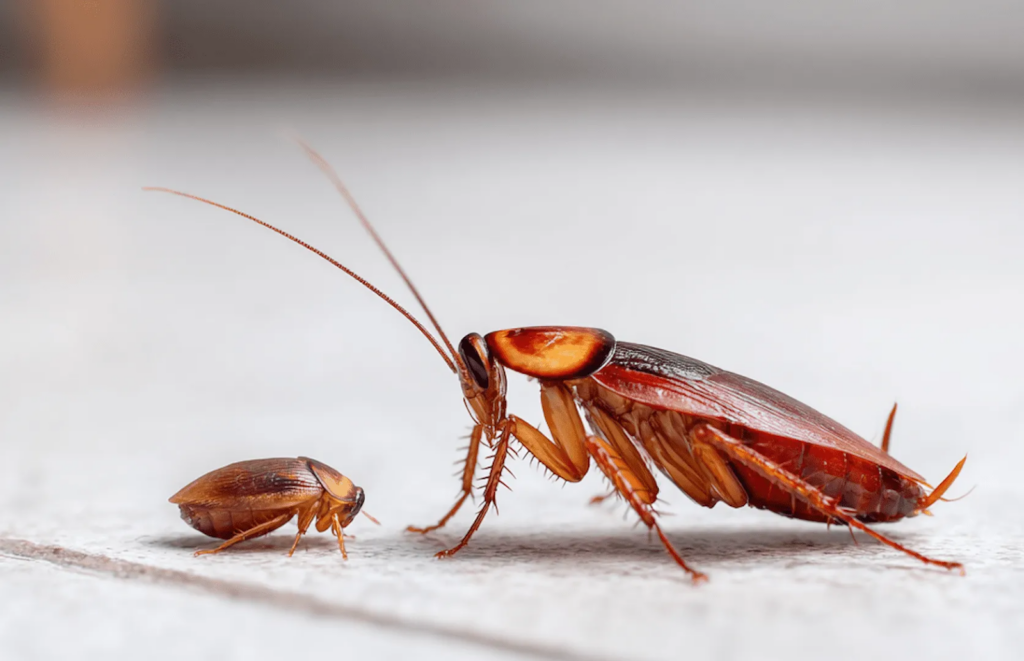
Spotting cockroaches during daylight hours is a strong sign of a heavy infestation, as roaches typically stay hidden and are most active at night.
7. Ants
Several ant species invade Virginia homes, including odorous house ants, pavement ants, and carpenter ants. Odorous house ants are tiny, dark brown insects about one-eighth of an inch long that release a rotten coconut smell when crushed. Pavement ants are similar in size but darker and typically nest under sidewalks or slabs. Carpenter ants are much larger, a quarter to half an inch, and can be black or bicolored, black and red.
Unlike termites, carpenter ants do not eat wood but excavate it to build nests. They leave behind frass, a sawdust-like material near nest sites.
Harmfulness: Low to Moderate. Most ants are nuisances, but carpenter ants can cause structural damage over time, similar to termites, though typically at a slower pace.
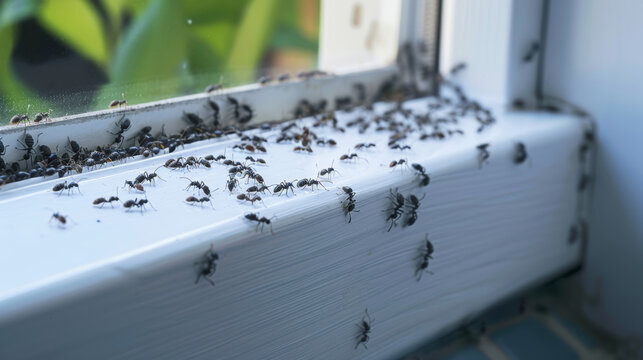
Carpenter ants do not eat wood as termites do, but their excavation of nest galleries can cause structural damage to a home over time.
House Bugs in Virginia: Quick Identification Summary
| Bug | Size | Key Identifier | Harmfulness |
| Termites | ~1/4 inch | Mud tubes, straight antennae | High |
| Bed Bugs | ~4-5mm | Rust stains on bedding, musty odor | Moderate-High |
| Stink Bugs | ~3/4 inch | Shield shape, foul smell when disturbed | Low |
| House Centipedes | 1-1.5 inches | Many banded legs, fast movement | Low |
| Silverfish | 1/2-3/4 inch | Silvery, fish-like body, 3 tail bristles | Low-Moderate |
| Cockroaches | 1/2-2 inches | Active at night, scatter in light | Moderate-High |
| Ants | 1/8-1/2 inch | Trail behavior, frass (carpenter ants) | Low-Moderate |
The Virginia House Bugs That Actually Need Your Attention
Connor’s Pest Pros provides same-day pest control across the D.C. metro area, with customized treatment plans and free re-treatments until Virginia homeowners are fully satisfied.
Most of Virginia’s common house bugs fall somewhere between minor nuisance and active threat. Stink bugs, centipedes, and silverfish rarely require more than basic prevention. Termites, bed bugs, and heavy cockroach infestations are a different story and need professional treatment before they get worse.
Connor’s Pest Pros handles all seven species covered in this guide. As a family-owned business serving the D.C. metro area, we offer same-day service, pet and child-friendly treatments, and free re-treatments until the problem is fully resolved. If you have spotted something in your home and are not sure what it is or how urgent it is, request your free estimate today and we will identify it and tell you exactly what your home needs.
Contact Connor’s Pest Pros for a free quote
Frequently Asked Questions (FAQs)
What is the most common house bug found in Virginia homes?
Ants, stink bugs, and cockroaches are among the most frequently reported house bugs in Virginia. Stink bugs are especially common in the fall when temperatures drop, while ants and cockroaches tend to be year-round concerns, depending on the area and home conditions.
Are house centipedes in Virginia dangerous?
House centipedes in Virginia are generally not dangerous. They can bite if handled, but the reaction is typically mild. They are predatory insects that feed on other bugs, so their presence usually indicates a broader pest issue in the home that should be addressed.
How do I tell termites apart from flying ants in Virginia?
Look at the waist and wings. Termites have a broad, straight waist and two pairs of equal-length wings. Flying ants have a pinched waist, bent antennae, and front wings that are noticeably longer than the back ones. Termite swarmers in Virginia are most active in spring.
Can Virginia house bugs cause health problems?
Yes, some can. Cockroaches are linked to asthma and allergic reactions, especially in children. Bed bug bites cause itching and welts and can affect sleep quality. Silverfish and stink bugs are generally not health risks, though stink bug odor can be irritating in enclosed spaces.
How does Connor’s Pest Pros handle house bug infestations differently?
Connor’s Pest Pros takes a customized approach for each home, building a pest management plan based on the specific bugs present and the home’s layout. We offer same-day service, pet and child-friendly treatments, and free re-treatments until results are achieved. Our team handles everything from common ants and roaches to termites, bed bugs, and wildlife, all backed by 415+ five-star reviews and membership in the National Pest Management Association.