

Key Takeaways
- The brown marmorated stink bug is Maryland’s most commonly reported house bug; an invasive species from Asia that resists most pesticides and squeezes into homes in large numbers, releasing a foul odor when crushed or disturbed.
- Boxelder bugs and assassin bugs are occasional seasonal invaders that rarely require pesticide treatment; physical exclusion methods, such as sealing cracks and tightening screens, are the most effective management strategy for both species.
- Maryland homeowners may encounter three cockroach species: American, German, and Oriental, each preferring different environments.
- Bed bugs enter homes almost exclusively through human activity, and identifying them early by their flat, reddish-brown appearance and hiding spots near sleeping areas is critical to preventing a full infestation.
- Connor’s Pest Pros provides professional treatment for Maryland house bug infestations, including cockroaches, bed bugs, and stink bugs, with same-day service when you call before noon and a 100% satisfaction guarantee
Maryland Homes Host Dozens of Pest Species
Maryland is home to about 88 documented true bug species, making it one of the more bug-dense states in the Mid-Atlantic region. From invasive stink bugs and seasonal boxelder bugs to blood-feeding bed bugs and fast-breeding cockroaches, Maryland homeowners face a wide variety of household pests year-round.
The state’s warm, humid summers and mild transitional seasons create ideal conditions for insects to thrive. Some species, like stink bugs and boxelder bugs, invade homes seasonally in the fall to escape the cold, while cockroaches and bed bugs establish year-round breeding populations that carry real health risks. Knowing how to tell them apart, by size, shape, markings, and hiding spots, is the first step toward controlling them effectively.
We’ll cover the major house bugs found in Maryland homes, how to identify each one, and what to do when infestations exceed the scope of DIY methods.
|
Connor’s Pest Pros: Family-Owned Pest Control Experts Choose Your Pest Protection Solution:
Customer Praise:
★★★★★ “Quick to answer my call and available same-day… I recommend them to anyone looking for pest control in NOVA.” – Jacquelyn L.
Why Choose Connor’s Pest Pros:
|
Common House Bugs in Maryland
Stink Bugs (Family Pentatomidae)
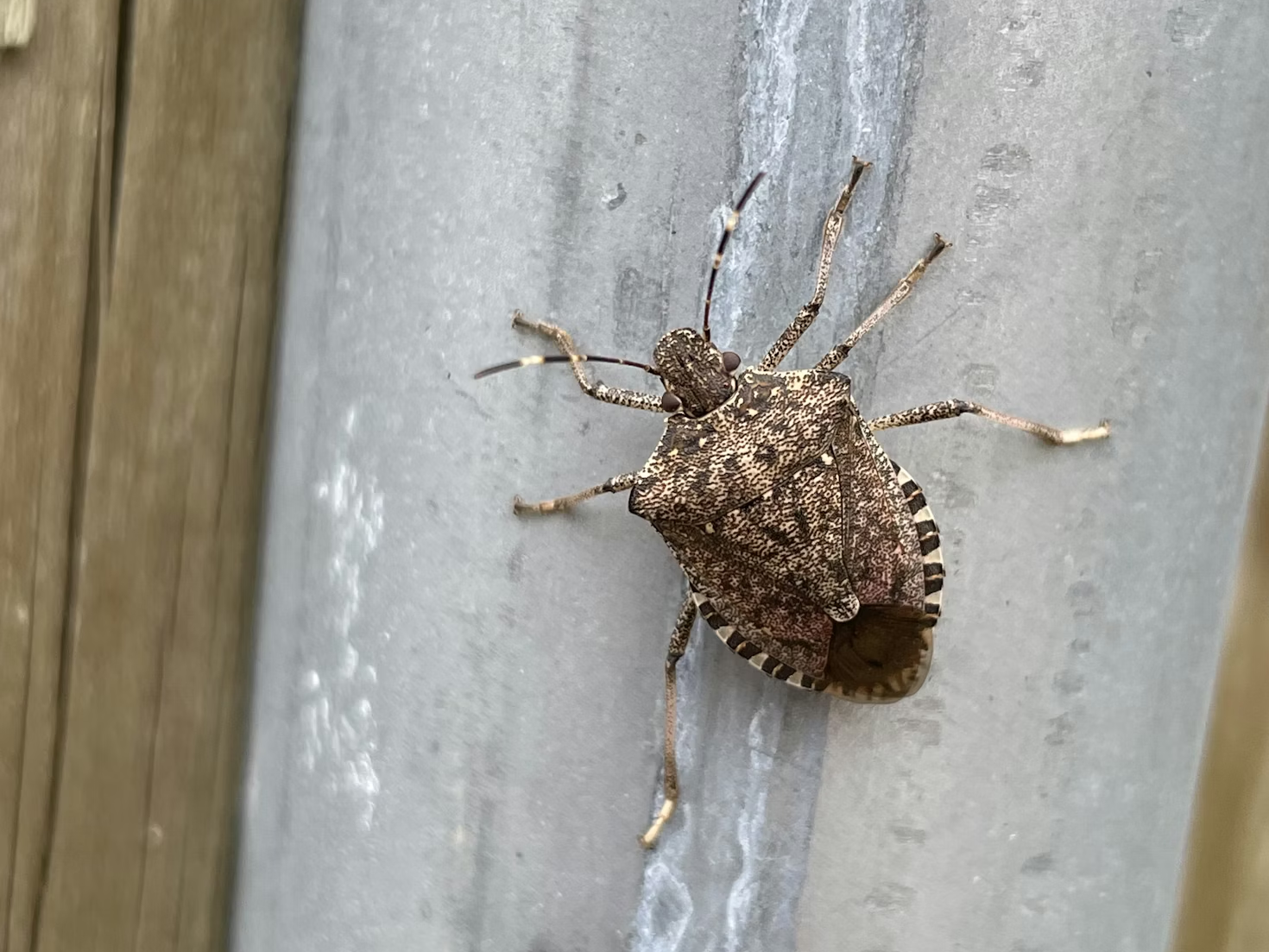
The brown marmorated species is an invasive agricultural pest that often enters homes in large numbers seeking warmth during cooler months.
There are two stink bug categories Maryland residents need to know about. Native stink bug species average about half an inch in length and primarily feed on crops and vegetation. They’re generally harmless to humans.
The brown marmorated stink bug (Halyomorpha halys) is an invasive species introduced from Asia that has become one of the most problematic household pests in the state. What makes it especially difficult to deal with is that common household pesticide applications offer limited effectiveness against it.
It enters homes in the fall to overwinter, squeezing through gaps in windows, doors, and siding. The glands in their thorax release a foul odor when the bug is disturbed or crushed, which is why smashing them indoors is never a good idea.
Bed Bugs (Family Cimicidae)

Bed bugs are small, flat, reddish-brown parasites that feed on human blood at night and are notoriously difficult to eliminate once they infest mattresses, furniture, and crevices in a home.
Bed bugs are small (about 1/4 inch), flat, oval insects that feed exclusively on blood. They’re reddish-brown in color and become more elongated and darker after feeding. Unlike stink bugs and boxelder bugs that wander in from outside, bed bugs enter homes almost exclusively through human activity. They hitchhike on luggage, used furniture, clothing, and bedding.
Hotels, short-term rentals, public transportation, college dormitories, and secondhand furniture stores are the most common source points. Once inside a home, they spread rapidly by hiding in mattress seams, box springs, headboards, and upholstered furniture within close range of sleeping areas, which is their only food source.
Boxelder Bugs

Boxelder bugs are black and orange-red insects that primarily feed on the seeds of boxelder, maple, and ash trees, and are known for congregating in large numbers.
Boxelder bugs are hard to miss. They’re flat, black insects with bold red or orange markings along their edges and wings. They congregate in large numbers on the south-facing sides of homes and structures, soaking up heat as temperatures drop. Like stink bugs, they’re looking for a warm place to spend the winter.
They don’t bite, sting, or cause structural damage, but they can stain surfaces with their excrement and emit a mild, unpleasant odor when crushed. According to University of Maryland Extension guidance, the best management approach is physical exclusion: tightening window screens, sealing cracks, and screening vents. If they make it indoors, simply vacuuming them up is the recommended removal method. Pesticide treatment is generally not necessary for boxelder bugs.
Assassin Bugs
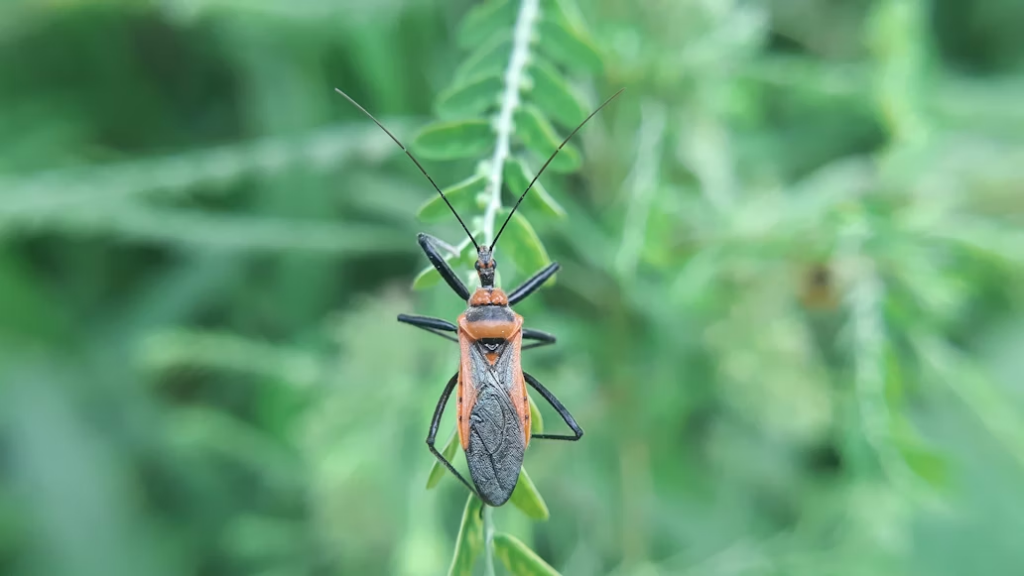
Assassin bugs are identifiable by their narrow head, elongated beak, and distinctive body shape that looks almost like it has a “neck” separating the head from the thorax.
Assassin bugs are beneficial predatory insects that occasionally wander indoors. They prey on other insects, making them useful in gardens, but they can deliver a painful bite if handled. In Maryland, they’re most active in summer and early fall.
Most species are brown or black, ranging from 1/2 inch to over 1 inch in length. Their front legs are often thickened for grasping prey.
If you find one indoors, the best approach is simply to release it outside rather than kill it. Avoid handling assassin bugs directly, as their bite, while not dangerous, is painful and can cause localized swelling.
Cockroaches

German cockroach infestations are notoriously difficult to eliminate without professional treatment.
Cockroaches belong to the order Blattodea, not Hemiptera, so they’re not technically “true bugs.” But they’re among the most common and concerning household pests in Maryland. Unlike stink bugs and boxelder bugs, which simply overwinter indoors, cockroaches establish breeding populations inside homes and pose genuine health risks by contaminating food and surfaces. Some common species of cockroaches in Maryland include:
American Cockroach (Periplaneta americana)
The American cockroach is the largest species commonly found in Maryland homes, reaching up to 2 inches in length. Adults are reddish-brown with a distinctive yellowish figure-8 marking on the pronotum (the plate directly behind the head). Both males and females have fully developed wings and can fly short distances, though they prefer running.
American cockroaches favor warm, moist environments. In Maryland, they’re most commonly found in basements, kitchens, bathrooms, and other areas with access to drains or plumbing. They often enter through sewer connections, floor drains, and gaps around pipes.
German Cockroach (Blattella germanica)
The German cockroach is smaller (about 1/2 to 5/8 inch) but far more problematic for Maryland homeowners. This species reproduces rapidly, with females producing 4 to 8 egg cases containing 30 to 48 eggs each during their lifetime. A single female can be responsible for over 30,000 offspring in one year under ideal conditions.
German cockroaches are light brown to tan with two distinctive dark parallel stripes running from the head to the base of the wings. They have wings but rarely fly. Unlike American cockroaches, which tolerate cooler basement environments, German cockroaches prefer warm, humid spaces near food and water. Kitchens and bathrooms are their primary habitat, where they hide in cracks around cabinets, behind appliances, under sinks, and near dishwashers.
Oriental Cockroach (Blatta orientalis)
The Oriental cockroach, sometimes called a “water bug” or “black beetle,” thrives in cool, damp environments that other cockroach species avoid. Adults are dark brown to black; males measure about 1 inch in length, while females are slightly larger at about 1 to 1¼ inches. Males have shortened wings covering about three-quarters of their abdomen, while females have only small wing pads. Neither sex can fly.
In Maryland homes, Oriental cockroaches are most common in basements, crawl spaces, floor drains, and areas with moisture problems. They often enter through gaps around pipes, under doors, and through floor drains connected to sewers. They move more slowly than American or German cockroaches and produce a strong, musty odor that becomes noticeable in heavy infestations.
Quick Reference: Common House Bugs in Maryland & Identification Tips
| Bug | Size | Key Identifying Features | Where to Find Them Indoors | Threat Level |
| Brown Marmorated Stink Bug | ~½ inch | Mottled brown, shield-shaped body, banded antennae | Attics, wall voids, upper floors | Low (nuisance only) |
| Boxelder Bug | ~½ inch | Black body with bold red/orange wing markings, red eyes | South-facing walls, window frames, and attics | Low (nuisance only) |
| Bed Bug | ~¼ inch | Flat, oval, reddish-brown; darker and more elongated after feeding | Mattress seams, box springs, headboards, furniture cracks | High (bites, rapid spread) |
| Assassin Bug | ½–1+ inch | Narrow “neck,” elongated orange/black body, thickened front legs | Near windows, doors, and garden-adjacent rooms | Low (painful bite if handled) |
| American Cockroach | Up to 2 inches | Reddish-brown, yellowish figure-8 marking behind head | Basements, kitchens, bathrooms, drains | High (health/contamination risk) |
| German Cockroach | ½–⅝ inch | Light brown/tan, two dark parallel stripes behind the head | Kitchen cabinets, behind appliances, under sinks | Very High (rapid reproduction) |
| Oriental Cockroach | 1–1¼ inches | Dark brown to black, musty odor, slow-moving | Basements, crawl spaces, floor drains | High (moisture-linked infestations) |
When Professional Treatment Becomes Necessary

For Maryland house bug infestations that exceed what DIY methods can control, Connor’s Pest Pros provides professional treatment using commercial-grade products and targeted application methods.
Maryland’s diverse climate and dense insect population mean house bugs are a year-round reality for most homeowners, whether it’s stink bugs pushing in during fall, cockroaches breeding in basement drains, or bed bugs hitching a ride on a suitcase. Knowing what you’re dealing with is half the battle.
When infestations go beyond what DIY methods can control, Connor’s Pest Pros is ready to help. Our technicians provide professional treatment for house bug infestations in Maryland. We identify harborage areas, treat using commercial-grade, eco-friendly products that are safe for families and pets, and address the moisture and sanitation conditions that sustain bug populations. We serve both residential and commercial properties throughout Maryland and the greater DC metro area, offering immediate pest elimination and long-term prevention services.
Contact us today for your free quote!
Frequently Asked Questions (FAQs)
What is the most common bug found in Maryland homes?
The brown marmorated stink bug (Halyomorpha halys) is the most commonly reported house bug in Maryland. This invasive species from Asia entered the U.S. through Pennsylvania in the late 1990s and has since spread aggressively throughout the Mid-Atlantic region. American cockroaches and boxelder bugs are also frequent indoor visitors.
Are stink bugs in Maryland harmful to humans?
Stink bugs do not bite, sting, or transmit disease. Their only defense mechanism is the foul odor released from their thoracic glands when they feel threatened or are crushed. They’re a nuisance pest, not a health threat. The University of Maryland Extension recommends vacuuming them up rather than crushing them to avoid the odor.
How do bed bugs get into Maryland homes?
Bed bugs hitchhike on luggage, used furniture, clothing, and bedding. Hotels, short-term rentals, public transportation, college dormitories, and secondhand furniture stores are the most common source points. A single infested item brought into a home can start a full infestation within weeks.
What time of year are house bugs most active in Maryland?
Late summer through early fall (August to October) is the peak invasion season for overwintering insects such as stink bugs and boxelder bugs. Spring brings a second surge as those insects try to exit homes. Cockroaches and bed bugs remain active year-round regardless of season.
When should I call a professional for house bugs in Maryland?
Professional treatment is necessary for cockroach and bed bug infestations, which breed rapidly and resist DIY approaches. Connor’s Pest Pros provides same-day service for Maryland homeowners dealing with established infestations, using commercial-grade products and targeted application methods that address both immediate elimination and the harborage conditions that sustain populations.