
Key Takeaways
- Maryland homes most often encounter three spiders: the black widow, the wolf spider, and the American house spider, and only the black widow is medically dangerous.
- Most bite scares come from misidentification. People panic over hairy wolf spiders or harmless cobweb-builders while the real threat (a glossy black spider with a red hourglass underneath) hides quietly in woodpiles and crawl spaces.
- Use body markings, web style, and location to tell them apart, and call a local pest control pro like Connor’s Pest Pros if you find a black widow indoors or anywhere children and pets spend time.
- Black widow bites can trigger muscle cramping and nausea within two hours, while wolf spider bites feel like a bee sting and American house spider bites barely register at all.
- Connor’s Pest Pros handles same-day spider control across the D.C. metro area with pet-friendly treatments, 24/7 emergency response for venomous species, and a 100% satisfaction guarantee backed by 415+ five-star reviews.
What You Need to Know About Maryland’s Most Common Spiders
Maryland homeowners most often encounter three spider species: the black widow, the wolf spider, and the American house spider. The black widow is the only one that poses a real medical threat, recognizable by its glossy black body and the bright red hourglass on its underside. Wolf spiders look intimidating but bite no harder than a bee, and American house spiders are tiny cobweb-builders that rarely bite at all. Which one you’re looking at comes down to body shape, web style, and where in the home you find it.
|
Connor’s Pest Pros: Family-Owned Pest Control Experts Choose Your Pest Protection Solution:
Customer Praise:
★★★★★ “Quick to answer my call and available same-day… I recommend them to anyone looking for pest control in NOVA.” – Jacquelyn L.
Why Choose Connor’s Pest Pros:
|
3 Most Common Types of Spiders in Maryland
Maryland’s varied climate creates ideal habitats for many spider species, but three show up in homes and yards far more often than the rest.
1. Black Widow Spider
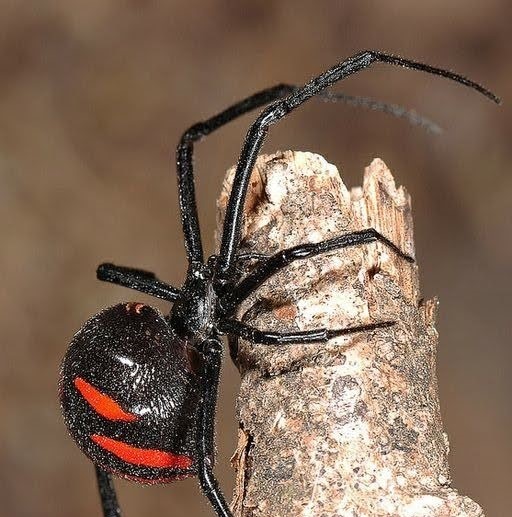
Black widow spider showing the red hourglass marking on its glossy black abdomen.
The black widow is Maryland’s most notorious spider. Adult females measure roughly half an inch in body length, about an inch and a half including their leg span, with glossy jet-black bodies. They favor dark, undisturbed outdoor spaces: woodpiles, sheds, garages, crawl spaces, and beneath outdoor furniture or grills.
Black widows build irregular, tangled webs close to the ground and stay hidden during daylight hours. Males are smaller, lighter in color, and rarely encountered.
2. Wolf Spider
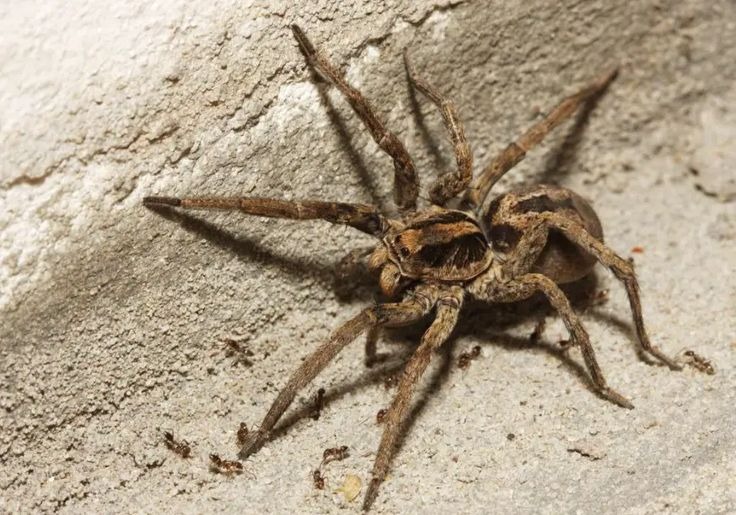
Hairy brown wolf spider standing on a stone surface in dappled light.
Wolf spiders are among the largest spiders in Maryland. With body lengths reaching up to 1.5 inches and legs that extend their footprint to nearly four inches, they can look intimidating. Unlike most spiders, they don’t build webs to catch prey; they’re active hunters that chase down insects on the ground.
You’ll often find them sprinting across basement floors, garage corners, or garden paths, and they tend to wander indoors during cooler months or after heavy rain.
3. American House Spider
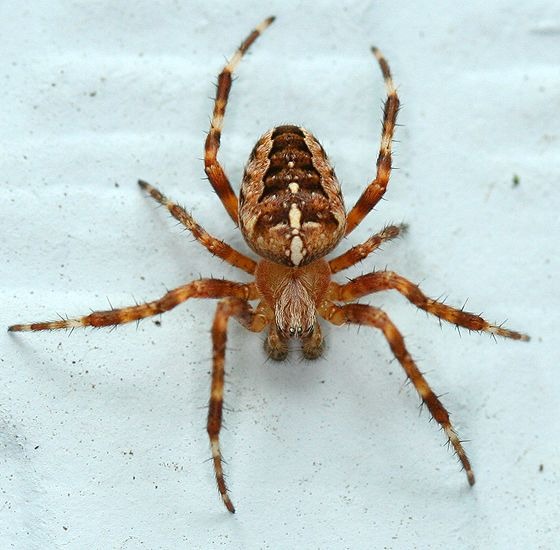
Small mottled American house spider resting on a light-colored interior wall.
The American house spider is by far Maryland’s most common indoor spider. These small spiders measure only about a quarter-inch in body length, with bulbous, mottled abdomens. They thrive indoors and build the classic messy, tangled cobweb most people picture when they think of spider webs.
You’ll find their webs in the upper corners of rooms, around windows, in garages, basement ceilings, attics, and behind seldom-moved furniture.
How Harmful Are Maryland’s Spiders?
Out of the three species above, only one poses a real medical concern. Understanding how each spider’s bite affects humans helps you respond appropriately if an encounter happens.
Black Widow: The Only Medically Significant Species
Black widows have venom potent enough to require medical attention. They aren’t aggressive; bites usually happen when the spider gets pressed against skin, like reaching into a glove or lifting firewood. A bite typically causes localized pain followed by muscle cramping, sweating, nausea, and abdominal discomfort within an hour or two.
Fatalities are extremely rare in healthy adults, but children, elderly individuals, and those with underlying conditions face higher risks. Anyone bitten should seek medical care promptly.
Wolf Spider: Mild, Bee-Sting Reaction
Wolf spiders look scarier than they are; they carry venom that’s medically insignificant to humans. Bites are uncommon and usually only happen if the spider is handled or trapped against the skin. The reaction feels similar to a bee sting and may produce localized redness, swelling, and itching that resolves within a few days. Most people experience no lasting effects.
American House Spider: Virtually Harmless
American house spiders pose almost no risk. They prefer to drop and hide rather than confront anything larger than a fly, and bites are extremely rare. On the unusual occasion someone is bitten, the result is typically a small, mildly itchy bump similar to a mosquito bite.
Many homeowners actually benefit from leaving a few alone, since they consume gnats, fruit flies, and mosquitoes.
How Can You Tell Maryland Spiders Apart at a Glance?
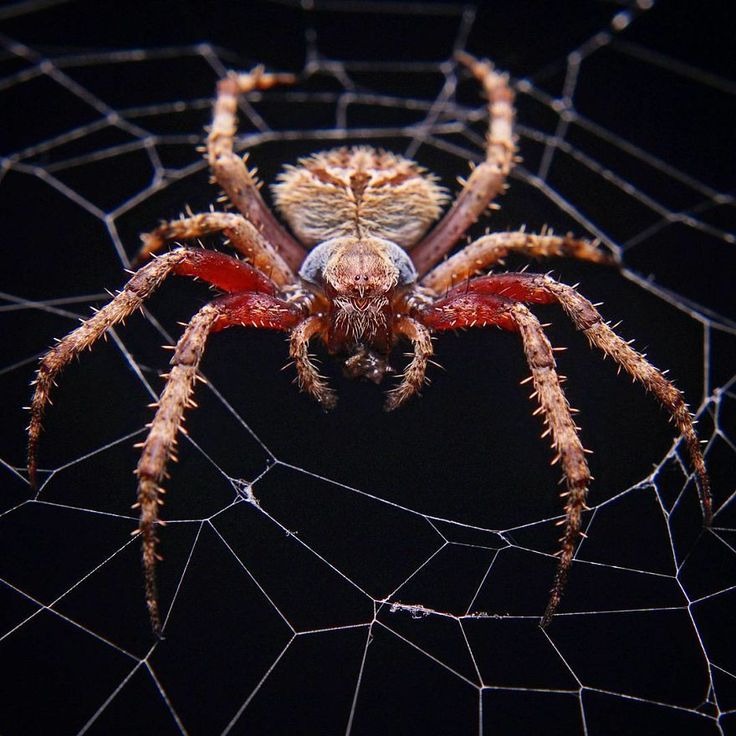
Close-up of a spider centered in a tangled web that aids identification.
Telling Maryland’s spiders apart comes down to a few visual and behavioral clues. Here’s what to look for the moment you spot one.
Body Markings & Color
The black widow is the easiest to identify thanks to its unmistakable bright red hourglass marking on the underside of the abdomen, paired with a glossy, ink-black body. Some females also display red dots on top of the abdomen.
Wolf spiders, by contrast, are covered in short, dense hairs and patterned with brown, tan, and black stripes that provide camouflage.
American house spiders are tiny and tan-to-gray with mottled patches that help them blend into drywall and dusty corners.
Web vs. No Web
Web-building habits offer another quick clue. Black widows build messy, irregular webs close to the ground in protected outdoor spaces.
American house spiders create the classic tangled cobweb in upper corners and ceilings indoors. Wolf spiders build no webs at all. If you see a fast-moving spider racing across the floor with nothing around it, it’s almost certainly a wolf spider.
Eyes & Behavior
Up close, wolf spiders have a distinctive three-row eye pattern with two large eyes flanked by smaller ones. Females also carry their egg sacs attached to their spinnerets and let spiderlings ride on their backs after hatching, a behavior unique among Maryland’s common spiders.
Black widows hide during daylight and only become visible at night, while American house spiders hang upside-down at the center of their webs waiting for prey.
Maryland Spider Identification: Quick Summary Table
| Spider Type | Black Widow | Wolf Spider | American House Spider |
| Body Size | ~0.5’’ body, ~1.5’’ with legs | Up to 1.5’’ body, ~4’’ with legs | ~0.25’’ body |
| Color & Markings | Glossy jet-black with red hourglass underneath | Brown, tan, and black stripes with a hairy body | Mottled tan, gray, and brown patches |
| Web Type | Irregular, tangled webs near the ground | No web; active ground hunter | Classic messy, tangled cobwebs |
| Common Locations | Woodpiles, sheds, garages, crawl spaces, under furniture | Basements, gardens, garages, ground-level areas | Indoor corners, attics, windows, and basement ceilings |
| Activity Time | Mostly nocturnal, hides during the day | Active hunter, often seen sprinting indoors | Sits motionless upside-down in a web |
| Bite Severity | Medically significant, requires medical attention | Mild, similar to a bee sting | Virtually harmless, rare and barely noticeable |
| Bite Symptoms | Muscle cramping, sweating, nausea, abdominal pain | Localized redness, swelling, and mild itching | Small itchy bump similar to a mosquito bite |
| Aggressiveness | Non-aggressive, bites only when pressed against skin | Non-aggressive, bites only when handled or trapped | Extremely shy, drops and hides when disturbed |
| Professional Removal Needed? | Yes, especially indoors or near living areas | Optional, only for heavy infestations | Optional, routine pest control handles them easily |
When a Maryland Spider Sighting Calls for a Pro

Three branded Connor’s Pest Pros service trucks parked in the D.C. metro area.
Most spiders in Maryland homes are harmless or even useful, but black widows are the exception. Finding one in a garage, woodpile, or crawl space is a different situation than spotting a cobweb in the corner, and knowing which species you’re dealing with is the first step. Calling in a trained team is the right move when a venomous spider is involved or an infestation has spread beyond a few stray webs.
Connor’s Pest Pros handles spider calls across the D.C. metro area with same-day service, pet-friendly treatments, and 24/7 emergency response for venomous threats like the black widow. Our technicians inspect entry points and the conditions that draw spiders inside, so the ones you remove today don’t come right back next season.
SCHEDULE YOUR SPIDER REMOVAL SERVICE TODAY →
Frequently Asked Questions (FAQs)
Are brown recluse spiders found in Maryland?
Brown recluse spiders are not native to Maryland and are extremely rare in the state. Occasional sightings are typically misidentifications of wolf spiders or other harmless species. If you suspect a brown recluse, capture a photo for identification and contact a pest control professional.
What attracts spiders into Maryland homes?
Spiders enter homes seeking shelter, moisture, and prey. Cluttered basements, woodpiles near foundations, and infestations of small insects like flies or ants all attract spiders. Sealing cracks, reducing outdoor lighting, and managing other pests typically help reduce indoor spider populations significantly.
When is spider season in Maryland?
Spider activity peaks in late summer and early fall when males search for mates and females prepare egg sacs. You may also notice more spiders indoors during cooler months as they seek warmth. Year-round preventive pest control is the most effective long-term strategy.
Should I kill the spiders I find in my house?
Most Maryland spiders are beneficial, eating mosquitoes, flies, and other pests. Unless you’ve identified a black widow or have a serious infestation, removal outside is usually sufficient. Capturing them in a cup and releasing them outdoors works well for harmless species.
Why choose Connor’s Pest Pros for spider removal in the D.C. metro area?
At Connor’s Pest Pros, we combine same-day service, family-owned care, and a 100% satisfaction guarantee. Our team is trusted across Northern Virginia and Maryland for fast, reliable spider control year-round.
*Price estimates reflect current market costs and may vary based on your specific situation. For a personalized quote tailored to your needs, contact us directly or request your FREE estimate today!