
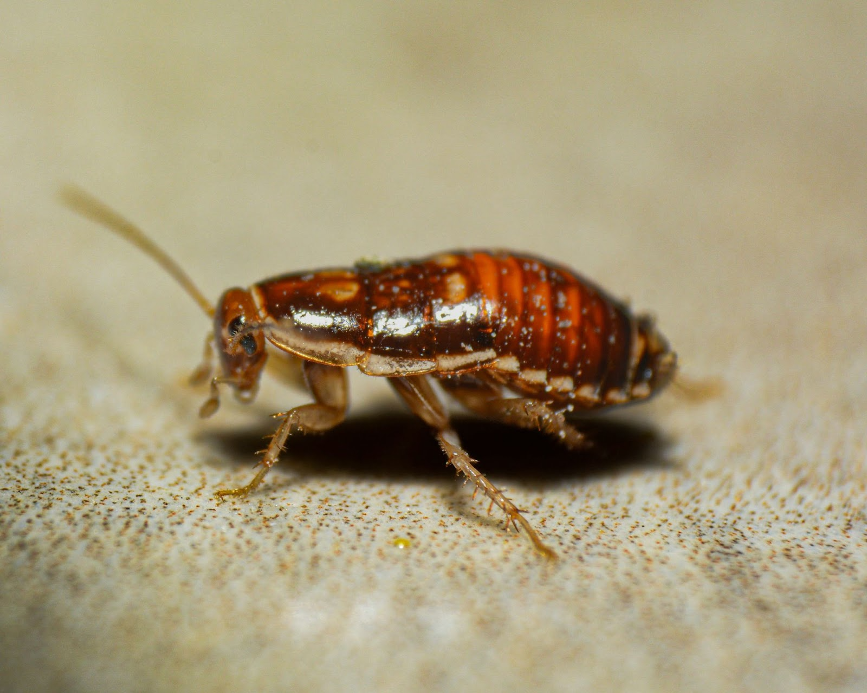
Key Takeaways
- Virginia homes face five main cockroach species, including American, German, Oriental, Brown Banded and Smoky Brown and each requires different control methods.
- Infestations are more than a nuisance because cockroaches carry bacteria and allergens that can trigger asthma and other health problems.
- Simple steps like storing food properly, sealing cracks, and reducing moisture can help keep small infestations under control.
- When infestations grow or spread, professional pest control is the most reliable way to eliminate hidden colonies and prevent them from returning.
- For dependable protection, Connor’s Pest Pros offers fast, eco-friendly, and guaranteed pest control solutions specific to Virginia homeowners.
The 5 Most Common Cockroach Species Invading Virginia Homes
Virginia’s warm, humid climate supports several cockroach species, each with distinct habits that determine how they infest homes and how they should be controlled. Correct identification is essential since treatment success depends on understanding each species’ preferred environments and behaviors.
1. American Cockroaches: The Palmetto Bug
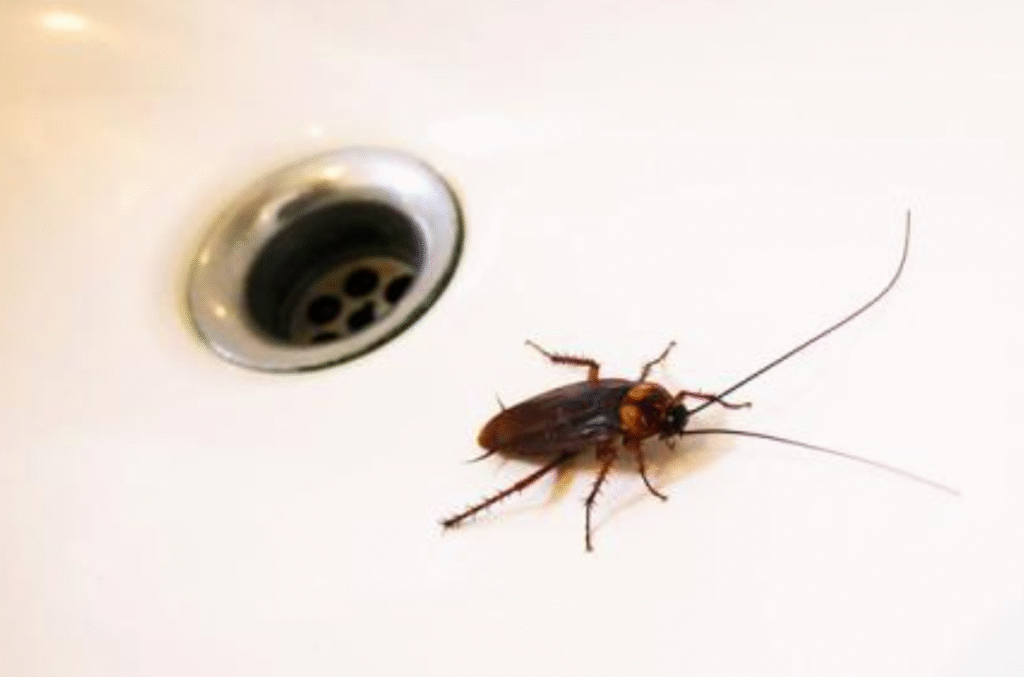
American cockroaches often enter homes through basements and crawl spaces seeking warmth and moisture (Image Courtesy of RichPro Pest Management).
The American cockroach, commonly called the “palmetto bug” or “water bug,” is Virginia’s largest household species, reaching up to two inches long. They are reddish-brown with a yellow figure-eight marking behind the head, and adults can glide short distances in warm weather. These cockroaches thrive in dark, humid areas like basements, crawl spaces, and utility rooms, often entering through foundation cracks, drains, or gaps around pipes.
Outdoors, they shelter in mulch, woodpiles, and storm drains before moving indoors during heavy rains. Though slower breeders than German cockroaches, females still produce dozens of egg cases, leading to large, persistent infestations in older Virginia homes with moisture problems.
2. German Cockroaches: Virginia’s Most Persistent Pest
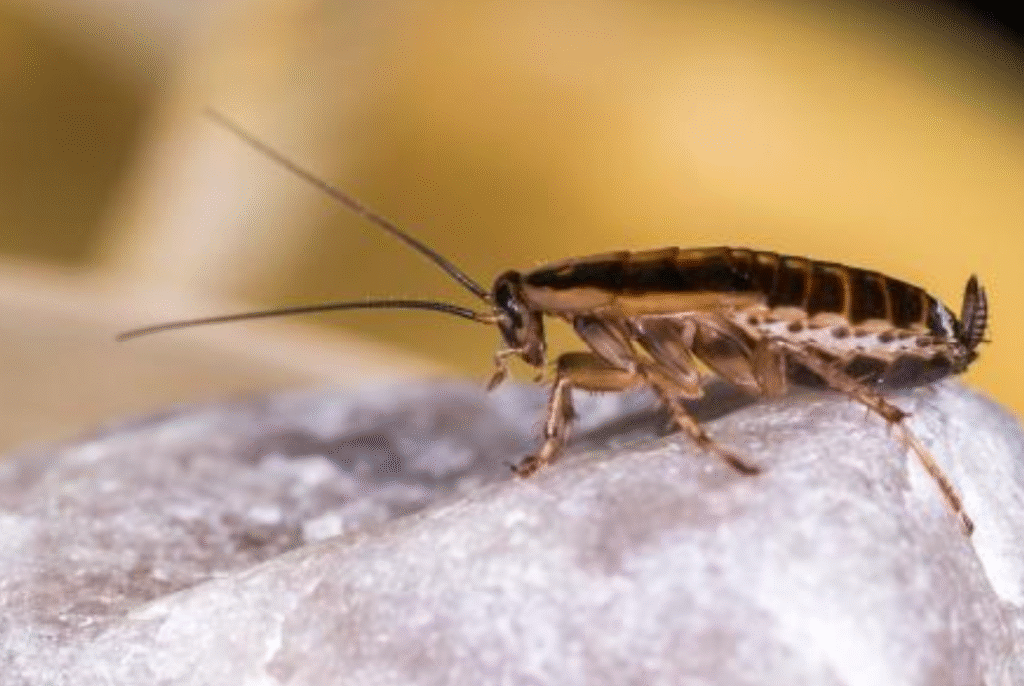
German cockroaches reproduce rapidly and prefer hiding in kitchens and bathrooms (Image Courtesy of RichPro Pest Management).
German cockroaches are the most common and most difficult species to manage in Virginia households. Light brown with two dark stripes behind the head, they are smaller than American cockroaches but reproduce at alarming rates. A single female can generate thousands of offspring annually, with each life cycle completing in just 100 days.
They thrive in kitchens and bathrooms, hiding in appliances, cabinets, and plumbing. Because they spread easily through walls and utility lines, infestations often affect entire apartment buildings. Their rapid reproduction, combined with growing resistance to insecticides, makes professional treatment almost always necessary for lasting control.
3. Oriental Cockroaches: Damp-Loving Waterbugs
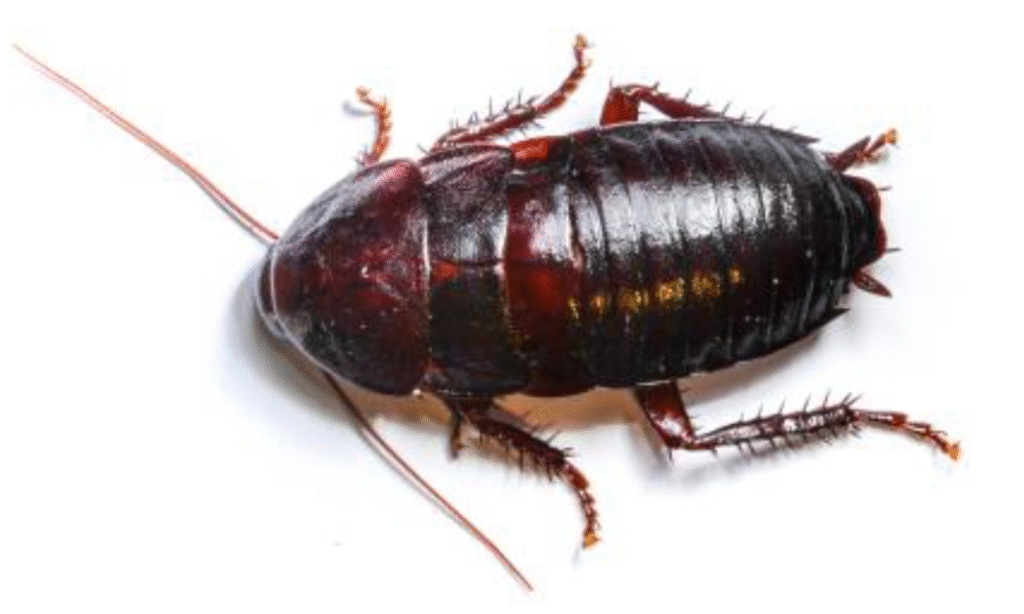
Oriental cockroaches thrive in damp areas (Image Courtesy of RichPro Pest Management).
Often referred to as “waterbugs” or “black beetles,” Oriental cockroaches are glossy dark brown or black and about an inch long. Unlike German cockroaches, they readily move between outdoor and indoor environments. Outdoors, they live in compost piles, leaf litter, and storm drains; indoors, they favor cool, damp basements, crawl spaces, and drains.
They release a strong musty odor when populations grow large. Activity peaks in spring and early summer with rainfall, then shifts indoors during hot, dry periods or when temperatures drop in fall. While slower to reproduce, their constant outdoor presence makes reinfestation common across Virginia.
4. Brown-Banded Cockroaches: The Hidden Climbers
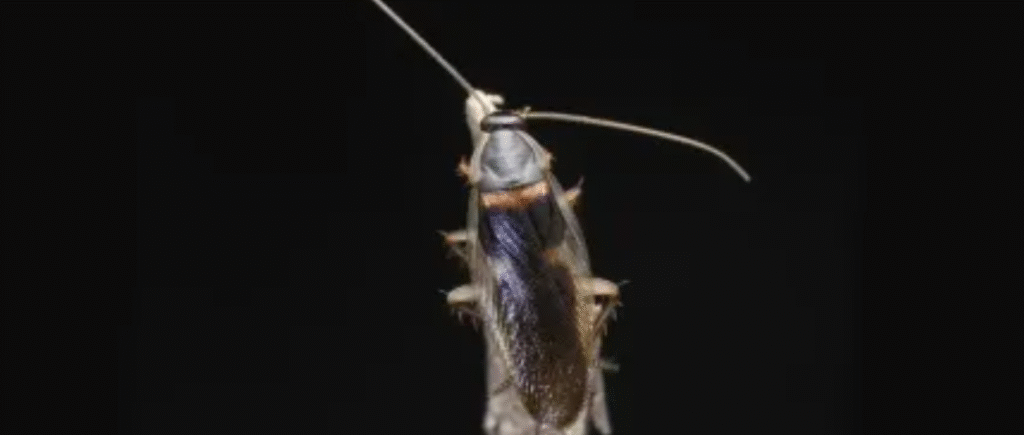
Brown-Banded cockroaches climb walls and infest electronics, cabinets, and higher locations (Image Courtesy of RichPro Pest Management).
Brown-Banded cockroaches are smaller, light brown pests marked with two pale bands across their bodies. Unlike moisture-loving species, they prefer warm, dry locations above 80°F and often infest higher areas of homes, behind picture frames, inside cabinets, and even within electronics. Males can fly short distances, helping spread infestations between rooms.
Egg cases are attached to hidden surfaces, often high on walls or ceilings, making detection difficult. Because they often spread through secondhand furniture or appliances, they can be introduced into any Virginia household and become widespread before homeowners notice.
5. Smoky Brown Cockroaches: Strong Fliers from the Outdoors
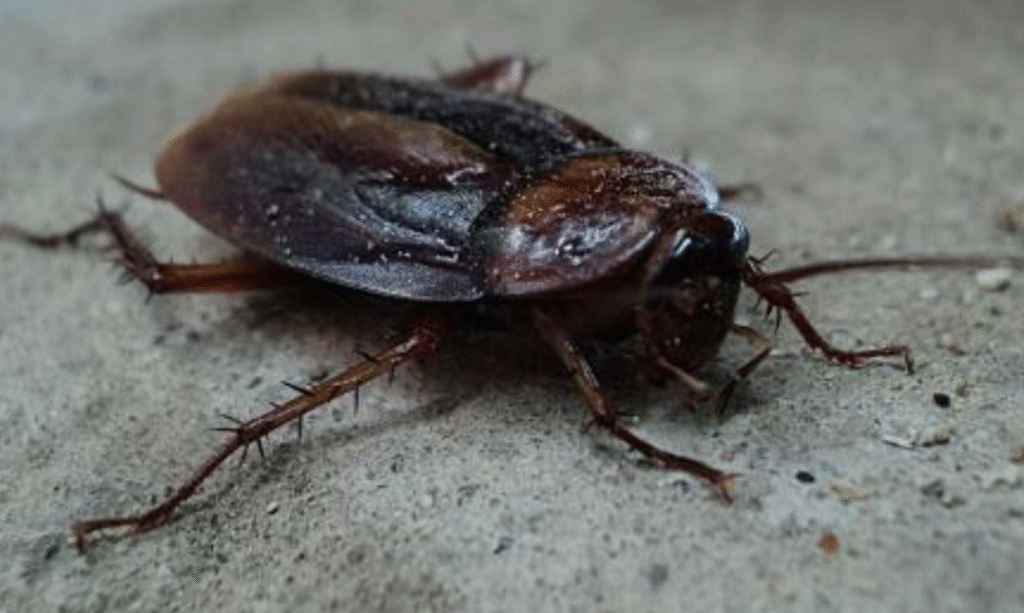
Cockroach infestations can trigger asthma attacks and worsen allergies, particularly in children (Image Courtesy of RichPro Pest Management).
Smoky Brown cockroaches are large, mahogany-colored insects reaching up to 1½ inches long. Unlike German or Brown-Banded cockroaches, they usually live outdoors in wooded areas, mulch beds, and attics, but they readily migrate indoors when attracted by lights, heavy rains, or cooler fall temperatures.
Adults are strong fliers and often enter through upper windows, rooflines, or attic vents. While slower to reproduce, once they settle inside attics or crawl spaces, populations can linger for years, especially in Virginia’s humid coastal and suburban regions.
|
Connor’s Pest Pros: Family-Owned Pest Control Experts Choose Your Pest Protection Solution:
Customer Praise:
★★★★★ “Quick to answer my call and available same-day… I recommend them to anyone looking for pest control in NOVA.” – Jacquelyn L.
Why Choose Connor’s Pest Pros:
|
Health Risks of Cockroach Infestations in Virginia Homes
Cockroaches in Virginia homes pose more than just a nuisance—they spread pathogens and trigger respiratory issues, especially in a state where asthma rates are already above the national average.
Disease Transmission
All five local cockroach species can carry bacteria, viruses, fungi, and parasites picked up from sewers, garbage, and animal waste. As they feed, they contaminate far more food than they consume by regurgitating and defecating on surfaces, increasing the risk of foodborne illness.
Allergens & Asthma
Cockroach droppings, shed skins, and dead bodies break down into airborne particles that linger in dust long after an infestation ends. These allergens are strongly linked to asthma, particularly in children.
A VCU study found cockroach allergens in 85% of Richmond homes, often at levels high enough to trigger attacks. The protein tropomyosin is a key asthma trigger, with exposed children three times more likely to be hospitalized.
Warning Signs
Health effects often appear gradually. Watch for:
- Increased asthma attacks, wheezing, or chronic cough
- Symptoms are improving outside the home but returning indoors
- Children or the elderly developing recurrent respiratory issues or ear infections
- Gastrointestinal problems (nausea, cramps, diarrhea) affecting multiple family members
3 Effective DIY Cockroach Control Methods That Actually Work
While severe infestations may require professional help, many Virginia homeowners can manage smaller problems with a consistent DIY approach. Success comes from integrated pest management, removing food and water sources, sealing entry points, and reducing damp conditions that allow cockroaches to thrive. Since species vary, combining methods is usually more effective than relying on one strategy.
Proper Food Storage & Sanitation
The first line of defense is cutting off food access. Keep all food, including pet food, in tightly sealed containers and establish a nightly cleaning routine, wipe counters, clean appliances, and empty trash daily. During Virginia’s humid summers, odors from decomposing food quickly attract cockroaches, making strict sanitation especially important.
Sealing Entry Points
Cockroaches often enter through cracks, gaps around plumbing, and worn door seals. Sealing openings with caulk or foam, adding door sweeps, and screening vents can drastically reduce indoor invasions. Older Virginia homes with basements or crawl spaces need extra attention, as these areas are common entry routes for American and Oriental cockroaches.
Reducing Moisture & Humidity
Damp conditions attract cockroaches, making moisture control a key step. Repair leaks, dry areas under sinks, and use dehumidifiers in basements or crawl spaces. For outdoor prevention, maintain gutters, ensure proper grading, and limit mulch near foundations. In eastern Virginia, where rainfall and sandy soils create persistent dampness, these steps are particularly important.
When to Call Professional Pest Control in Virginia
DIY methods can help with minor cockroach problems, but Virginia’s warm, humid climate allows infestations to escalate quickly. Knowing when to call a professional can prevent wasted time and money while stopping pests before they spread further.
When DIY Isn’t Enough
Multiple species infestations, common in Virginia, are best handled by professionals who can identify and target each species effectively. German and Brown-Banded cockroaches, for instance, require very different treatment approaches.
If you’ve tried DIY methods for two to three weeks without progress, it’s time to seek help. Professionals use commercial-grade products and specialized equipment to reach hidden harborage areas like wall voids that homeowners cannot easily access.
Signs of Severe Infestation
Daytime sightings are a major red flag, as cockroaches usually hide during the day and only emerge when populations are overcrowded. Seeing egg cases, nymphs, and adults together signals a reproducing colony that’s hard to manage without expert intervention.
A persistent musty odor in cabinets, closets, or drawers is another strong indicator of a hidden, widespread infestation.
What to Expect from Professionals
Pest control services begin with a detailed inspection to identify species, harborage sites, and entry points. Technicians then create a customized treatment plan combining immediate elimination with long-term prevention. Reputable providers like Connor’s Pest Pros explain their findings, outline treatment steps, and may recommend ongoing maintenance to prevent reinfestation.
Seasonal Cockroach Prevention Calendar for Virginia Homes
Virginia’s changing seasons strongly influence cockroach behavior, making prevention timing just as important as the methods used. A season-based approach helps homeowners disrupt breeding cycles and reduce infestations before they spread, especially in a state where multiple species remain active year-round.
Spring: Seal & Clean Outdoors
As temperatures rise in March–May, cockroach activity increases rapidly. This is the best time to seal entry points, repair window screens, and treat foundations with perimeter sprays or baits. Removing leaf litter, trimming vegetation, and limiting mulch around the home helps eliminate outdoor breeding sites, especially for American and Smoky Brown cockroaches that thrive in Virginia’s warm, damp areas.
Summer: Focus on Sanitation & Moisture
June–August marks peak breeding season, particularly for German cockroaches that reproduce quickly in Virginia’s humid climate. Strict sanitation is critical—store food in sealed containers, empty trash daily, and keep kitchens free of grease or crumbs. Managing humidity with ventilation or dehumidifiers helps deter Oriental and American cockroaches, while switching to yellow “bug lights” and keeping doors closed at night reduces flying Smoky Brown intrusions.
Fall: Block Indoor Migration
From September–November, the cooling weather pushes Oriental, American, and Smoky Brown cockroaches indoors. Preventative exclusion is key, install door sweeps, caulk cracks, and seal utility penetrations before populations settle inside. Basements and crawl spaces deserve extra attention during this season, as they provide the damp, sheltered conditions these species seek when temperatures drop.
Winter: Target Indoor Hot Spots
December–February is the time to tackle indoor infestations while outdoor activity slows. Focus on warm areas around appliances, water heaters, and electronics where cockroaches shelter. German and Brown-Banded species remain active year-round indoors, but reduced pressure from other species makes winter an ideal season to eliminate existing colonies before spring resurgence.
Professional Help with Connor’s Pest Pros
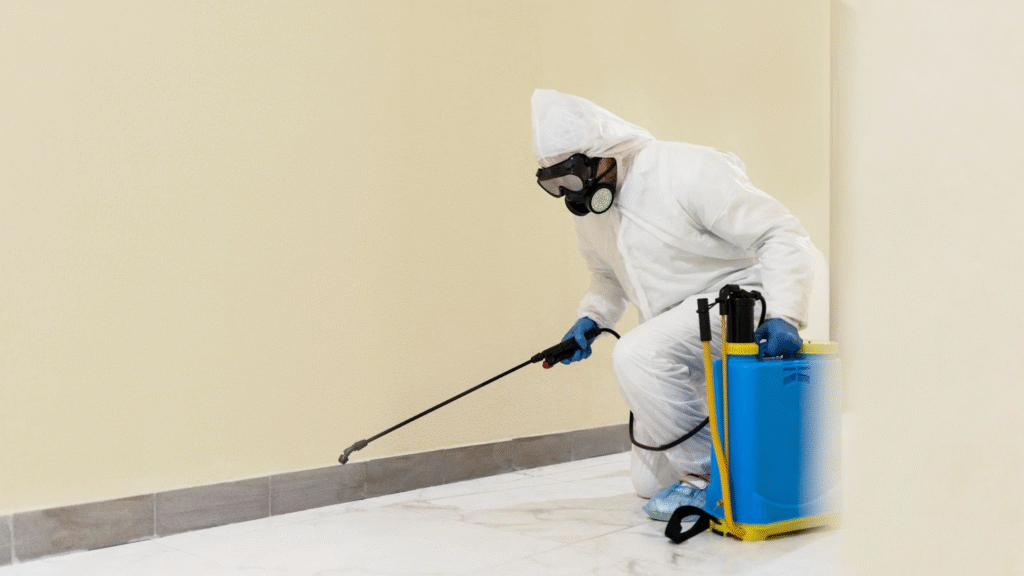
Effective pest control combines sanitation, exclusion, moisture management, and targeted treatment strategies.
For Virginia homeowners dealing with stubborn cockroach infestations, DIY efforts can only go so far. That’s where Connor’s Pest Pros comes in, offering tailored pest control services designed for long-term protection. We provide same-day and next-day service, so you never have to wait for relief when pests appear.
We specialize in both recurring prevention plans and targeted treatments. From common household pests like ants and spiders to more challenging problems such as termites, cockroaches, bed bugs, and rodents, our solutions are customized to fit each home’s needs. For homes near wooded or suburban areas, we also provide humane wildlife removal for raccoons, squirrels, and bats paired with exclusion repairs to keep them from returning.
What sets us apart is our integrated approach: seasonal service adjustments, eco-friendly products safe for children and pets, and a 100% satisfaction guarantee with free re-treatments if pests come back.

With so many 5-star reviews from Virginia and Maryland homeowners, our reputation speaks for itself.
If you need fast relief or ongoing protection, Connor’s Pest Pros offers flexible scheduling, free estimates, and dependable service backed by expert technicians. If cockroaches or any pests are invading your home, Connor’s Pest Pros delivers the expertise and long-term results you can count on.
Reach out today for a free quote!
Frequently Asked Questions (FAQ)
How quickly can cockroaches reproduce in Virginia’s climate?
German cockroaches multiply quickly, producing up to 300 offspring in warm, humid months, maturing in 60–100 days. American cockroaches reproduce slower but benefit from Virginia’s extended breeding season, allowing steady year-round population growth indoors and outdoors.
Are cockroaches in Virginia more active during certain times of the year?
Yes. Summer brings peak activity for all species. Oriental cockroaches surge in spring, while fall triggers migration indoors. Winter reduces outdoor activity, though German and Brown-Banded cockroaches remain consistently active in heated indoor spaces across Virginia.
Can cockroaches in Virginia homes survive winter temperatures?
Yes. Indoor populations survive year-round in heated environments. German and Brown-Banded cockroaches live mostly indoors. American, Oriental, and Smoky Brown species survive outdoors in milder Virginia regions but usually migrate indoors during colder winter months for shelter.
What’s the difference between waterbugs and cockroaches in Virginia?
“Waterbug” typically refers to Oriental or American cockroaches, not true aquatic insects. True waterbugs live in water, whereas cockroaches thrive in damp basements, crawl spaces, and near moisture. Correct identification ensures appropriate pest control methods are used.
Why do cockroaches migrate indoors during fall in Virginia?
As outdoor temperatures drop in September and October, species like American and Smoky Brown cockroaches move indoors seeking warmth and food. This seasonal migration makes fall a critical time for preventive pest control treatments. Many Virginia homeowners turn to trusted providers like Connor’s Pest Pros, who specialize in seasonal prevention plans that block entry points and keep infestations from taking hold before winter.