
Key Takeaways
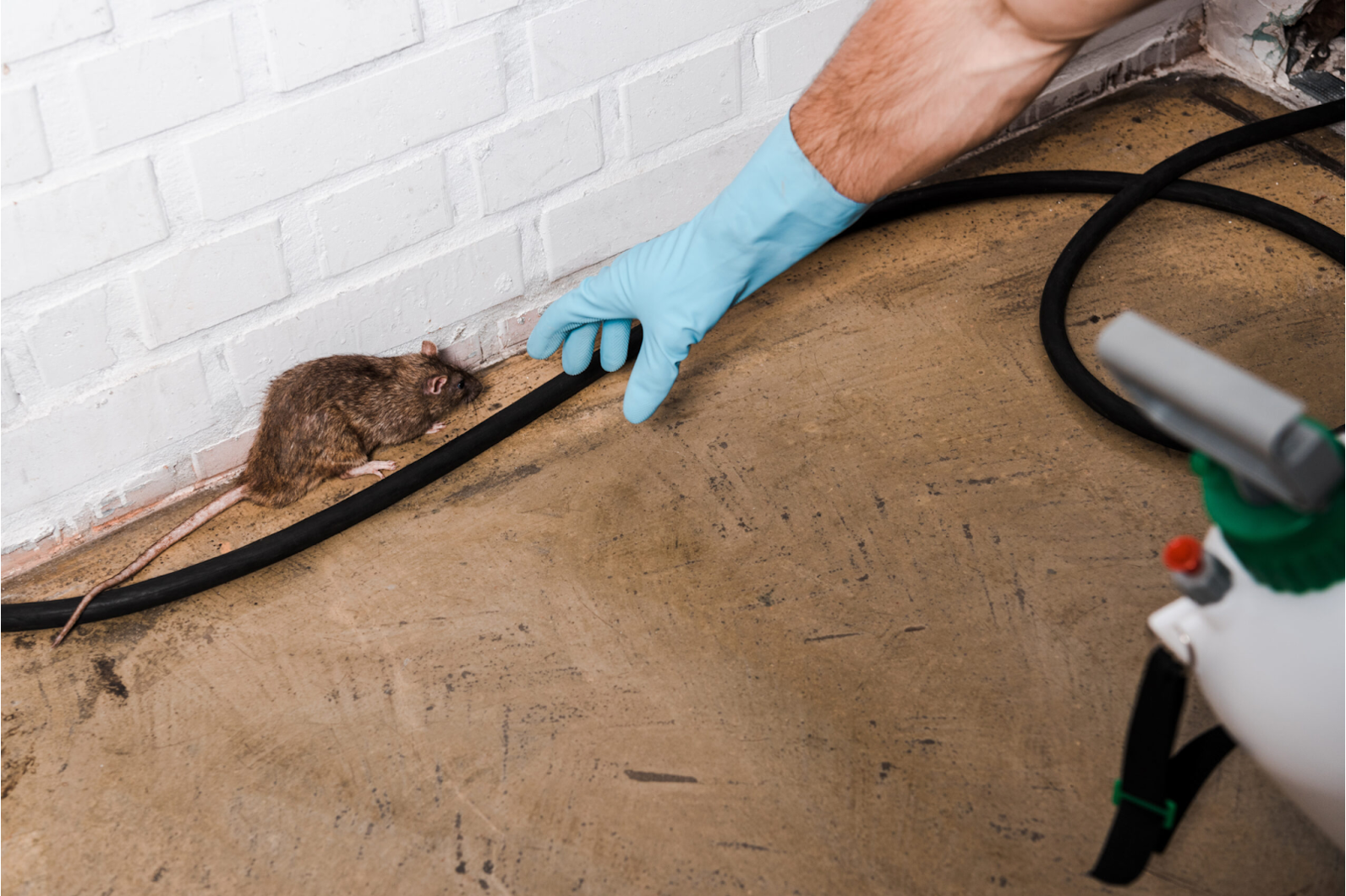
- Removing a dead rat is more than an unpleasant chore. The carcass carries pathogens that cause Hantavirus, Leptospirosis, and Salmonellosis, so the job needs protective gear and careful sanitizing.
- Most homeowners underestimate hidden carcasses. A rat that dies inside a wall or crawl space spreads odor and contamination far beyond what a quick wipe-down can fix.
- Connor’s Pest Pros removes dead rats safely from any spot in the home, from open yards to sealed wall cavities, and sanitizes the area so the health risk and smell are gone for good.
- Cost tracks with difficulty: basic outdoor removal runs $150 to $250, while wall-cavity jobs reach $600 and odor neutralization with ozone generators or air scrubbers adds $200 to $1,000.
- Connor’s Pest Pros provides same-day rodent control across Northern Virginia, Maryland, and Washington DC with free inspections, customized treatment plans, and the Total Protection Package at $95 monthly.
What Processes Are Involved In Dead Rat Removal?
Dead rat removal comes down to four service paths: a pest control company that locates and extracts the carcass and seals entry points, a wildlife removal specialist for structural damage and hard-to-reach cavities, DIY removal for an accessible outdoor rat, and a dedicated odor remediation service when the smell lingers. Connor’s Pest Pros covers the first, second, and fourth in one visit across the DC metro area, while DIY only makes sense for an easy, open-air find. Which path fits depends on where the rat is, how strong the odor is, and whether anyone vulnerable lives in the home.
A dead rat is rarely just a cleanup task. Decomposition draws flies and other pests, and the bacteria and viruses a carcass carries make handling it a genuine health concern rather than a simple nuisance.
If you are dealing with a dead rat in Virginia, Maryland, or DC, this guide walks through the removal process step by step, the health risks of doing it yourself, what professional service costs, and how to keep rodents out for good.
|
Connor’s Pest Pros: Family-Owned Pest Control Experts Choose Your Pest Protection Solution:
Customer Praise:
★★★★★ “Quick to answer my call and available same-day… I recommend them to anyone looking for pest control in NOVA.” – Jacquelyn L.
Why Choose Connor’s Pest Pros:
|
How Does Dead Rat Removal Work?
1. Locating the Carcass
Dead rats can turn up anywhere: attics, basements, walls, crawl spaces, or outside. If you catch a foul odor or notice increased pest activity, that’s usually a sign. If the smell’s strong but the rat’s nowhere in sight, it might be time to call in a pro, especially if it’s hidden inside a wall.
2. Preparation
Before getting started:
- Suit up with rubber gloves and a mask to avoid direct contact or inhaling anything dangerous.
- Grab your tools: plastic bags, disinfectant spray, and some solid cleaning supplies.
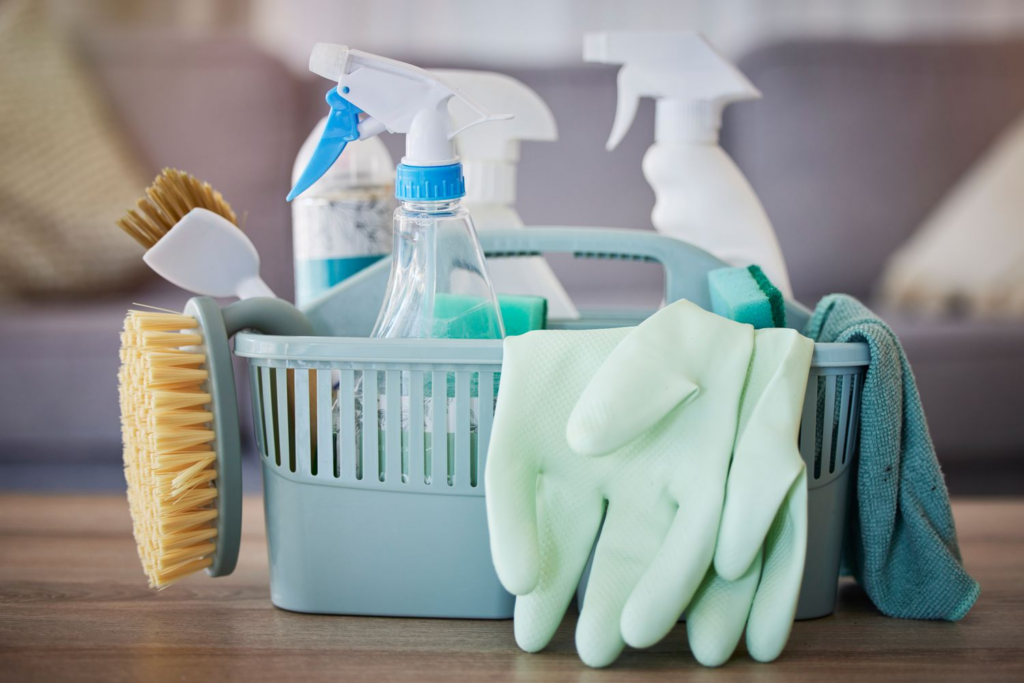
Before cleanup begins, gear up with gloves, a mask, and disinfectant; safety first when handling pest messes or potential biohazards.
3. Safe Removal
Here’s how to do it safely:
- Spray the carcass and area with disinfectant to stop any airborne pathogens.
- Use gloves or a tool to place the rat in a plastic bag.
- Double-bag it for good measure, and seal it tight.
4. Disposal
Dispose of the sealed bag based on your local regulations. Some areas require special handling, like incineration or specific landfill drop-off points.
5. Cleaning and Sanitizing
Once the rat’s out:
- Thoroughly disinfect anything the rat touched using a bleach solution or commercial disinfectant.
- Remove any contaminated materials (like nesting stuff), seal them in disposable bags, and toss them.
- Wash your hands well after removing gloves.
What Are the Health Risks of Dead Rats?
- Hantavirus Pulmonary Syndrome – This dangerous virus spreads when you inhale dust contaminated by rat urine or droppings.
- Leptospirosis – A bacterial infection picked up through contact with water tainted by rat urine. A study in Paris even found that 15% of brown rats carried Leptospira, and some strains showed up in local water samples.
- Salmonellosis – This is caused by eating or drinking anything contaminated with rat feces.
- Rat-Bite Fever – Transmitted through bites or scratches from infected rats.
Indirect risks include flea-borne diseases like bubonic plague and typhus. Additionally, decomposing rats release odors that attract other pests, further complicating cleanup efforts.
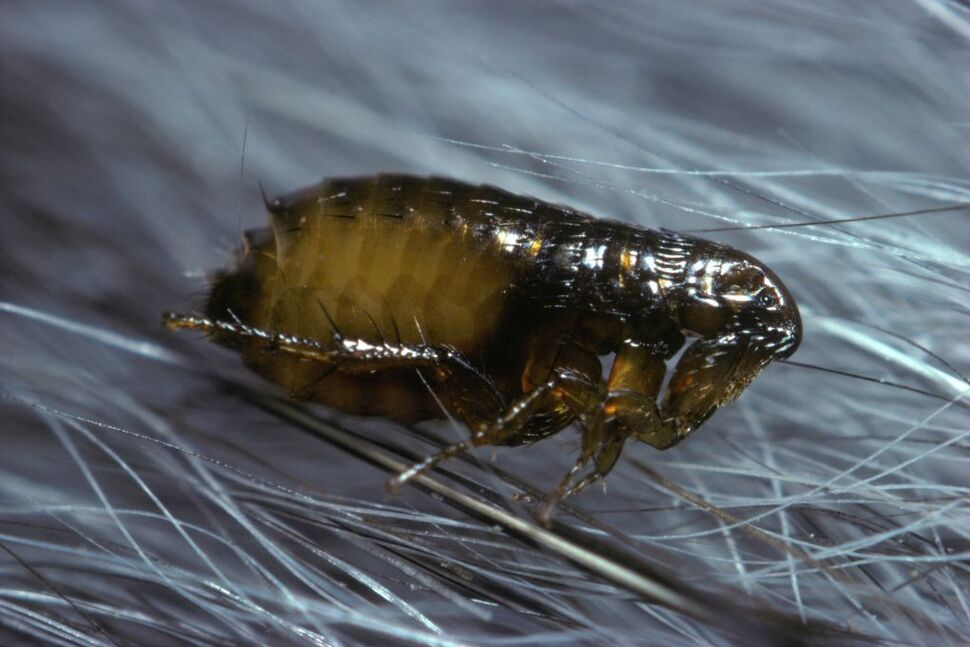
Fleas aren’t just itchy, they can carry serious diseases like typhus and even plague. And when dead rats are left behind, these pests often move in fast.
How Much Does Dead Rat Removal Cost?
The cost of dead rat removal varies based on factors such as location, accessibility, and additional services like odor remediation or repairs. Below are typical cost ranges:
- Basic Removal: $150–$250 for finding and removing the rat, including light decontamination.
- Complex Removal: $200–$600 if the job involves cutting into walls or making structural repairs.
- Odor Neutralization: $200–$1,000 depending on how bad the smell is and how much area it covers.
- Rodent Cleanup Services: $600–$1,000 for deep cleaning and disinfecting bigger areas like attics or crawl spaces.
If the rat’s outside, like in your yard, costs are usually lower since the job’s less invasive.
*Price estimates reflect current market costs and may vary based on your specific situation. For a personalized quote tailored to your needs, contact us directly or request your FREE estimate today!
Service Options for Dead Rat Removal
Getting professional help is often the safest and most effective way to deal with a dead rat. Here are the most common service options available:
1. Pest Control Services
These professionals are trained to locate and remove dead rats from tricky spots like attics, crawl spaces, and inside walls. They’ll also seal up entry points to prevent more rodents from getting in.
2. Wildlife Removal Specialists
If you’re dealing with structural damage or hard-to-reach areas, wildlife specialists can step in. They often handle more complex cases and may offer repairs and odor removal as part of the service.
3. DIY Methods
It’s possible to remove a dead rat on your own if it’s in an easy-to-reach location. But be careful; there are health risks involved. If you go this route, make sure to follow safety guidelines closely, including protective gear and proper sanitation.
4. Specialized Odor Remediation Services
If you’re left with a strong smell after removal, odor remediation services can help. They use tools like ozone generators or air scrubbers to eliminate lingering odors from decomposing animals.
How Can You Prevent Future Rodent Infestations?
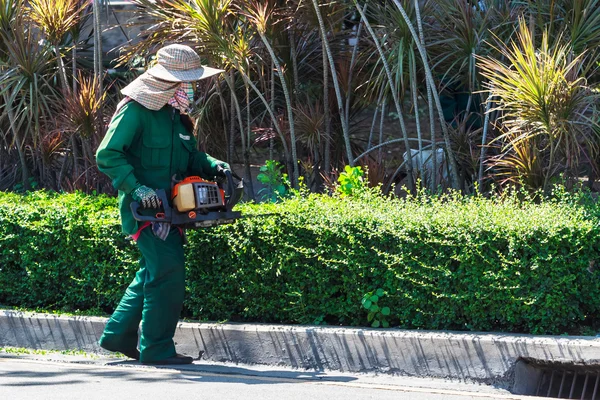
Keeping shrubs trimmed and tidy helps eliminate hiding spots and nesting areas that pests love to call home.
Here’s how you can prevent future rodent infestations:
- Seal cracks, holes, and other potential entry points around your home.
- Store food in airtight containers and dispose of trash promptly.
- Keep clutter to a minimum, both indoors and outside, so rodents have fewer places to hide.
- Trim shrubs and vegetation near the house to eliminate potential nesting areas.
How Should You Handle a Dead Rat Problem in Your Home?
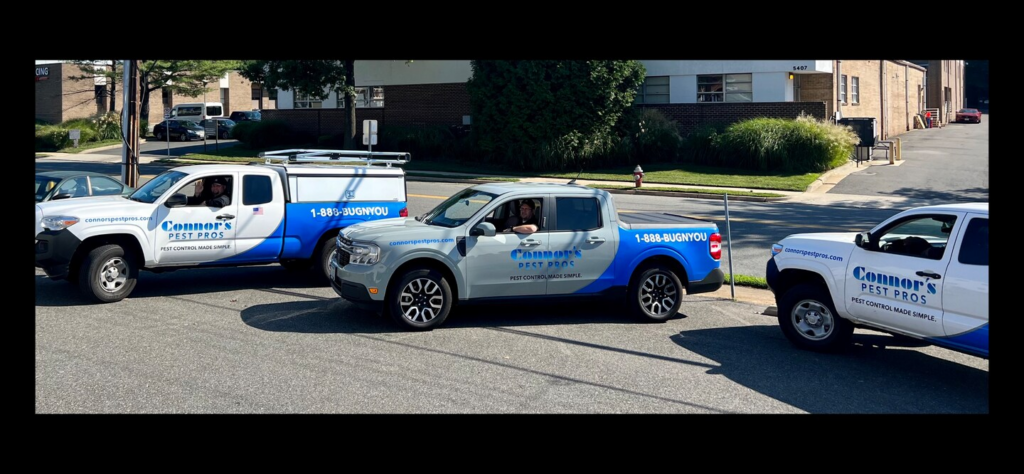
Connor’s Pest Pros delivers more than a quick fix; our expert team offers FREE inspections, custom plans, and full coverage starting at just $95/month for true peace of mind.
When DIY Stops and a Pro Should Step In
The five-step process covered above handles most accessible outdoor finds: locate the carcass, suit up with gloves and a mask, spray the area with disinfectant before handling, double-bag the rat and dispose of it per local rules, then sanitize with a bleach solution. Professional service becomes the practical choice when the rat is sealed inside a wall, when odor neutralization needs ozone generators or air scrubbers, when contamination has spread through an attic or crawl space, or when young children, elderly, or immunocompromised people live in the home.
Call us or request a FREE quote today!
Frequently Asked Questions (FAQs)
How can I tell if there is a dead rat in my house?
A strong, disagreeable smell that appears to emanate from beneath floors or behind walls is one of the most obvious indicators of a dead rat. Additionally, you may observe a sudden increase in flies or other insects attracted to decomposition.
Examine places like basements, attics, and behind big appliances where rats like to hide if you see these signs.
If I discover signs of a rat infestation, what should I do?
Take action right away; rats multiply fast, and a small issue can quickly grow into a serious problem. The sooner you act, the easier and more affordable it is to resolve the issue.
Are there any health dangers associated with handling dead rats on my own?
Yes, dead rats can carry harmful bacteria and viruses, including those that cause Hantavirus or Leptospirosis.
If you choose to remove the carcass yourself, always wear gloves and a mask, and clean the area thoroughly afterward to reduce exposure to dangerous pathogens.
How does Connor’s Pest Pros handle dead rat removal?
Our technicians arrive equipped with specialized tools and protective equipment to safely locate and remove rat carcasses from any location in your home. We follow a thorough process that includes detailed sanitisation of affected areas, odor neutralization, and identification of entry points.
As part of our rodent control services, we’ll implement preventive measures to ensure no future infestations occur.
How can I prevent rats from entering my home in the first place?
To keep rats out, seal up any small openings around your home, manage food and waste properly, and perform regular inspections.
Keeping the exterior of your home clean and free from clutter also helps reduce hiding spots and makes your property less attractive to rodents.