
Key Takeaways
- Maryland’s mix of cities, suburbs, farmland, and forests, paired with humid summers and cold winters, keeps rodent pressure active across the state all year.
- Many homeowners only notice rodents once droppings, gnaw marks, or nighttime noises appear, by which point insulation, wiring, and structural wood may already be damaged.
- The state’s most common invaders are house mice, Norway rats, roof rats, deer mice, white-footed mice, and voles, and each one requires a control approach built around how it nests and where it enters.
- Catching activity through the seven early signs covered in this guide gives homeowners the best chance to stop a single mouse from becoming a colony that contaminates food and chews electrical wiring.
- Connor’s Pest Pros delivers same-day rodent control across Maryland and the DC metro area with humane wildlife exclusion, sealed entry points, and a 100% satisfaction guarantee backed by free re-treatments.
What Are The Most Common Rodents in Maryland?
The most common rodents in Maryland are house mice, Norway rats, roof rats, deer mice, white-footed mice, and voles, and each one nests and damages property differently. House mice cause most indoor infestations and chew insulation, wiring, and wood. Norway rats burrow near foundations and weaken structural supports. Roof rats climb into attics through branches and roof vents. Deer mice and white-footed mice carry Hantavirus and Lyme disease ticks in rural and wooded areas. Voles destroy gardens by gnawing bark and severing roots. Which one you are dealing with depends on where you live in the state and where the activity shows up.
Maryland’s blend of cities, suburbs, farmland, and forests, combined with humid summers and cold winters, keeps rodent pressure steady through every season. That year-round activity is why early identification matters so much for homeowners across the region.
|
Connor’s Pest Pros: Family-Owned Pest Control Experts Choose Your Pest Protection Solution:
Customer Praise:
★★★★★ “Quick to answer my call and available same-day… I recommend them to anyone looking for pest control in NOVA.” – Jacquelyn L.
Why Choose Connor’s Pest Pros:
|
1. House Mice: The Most Common Invader
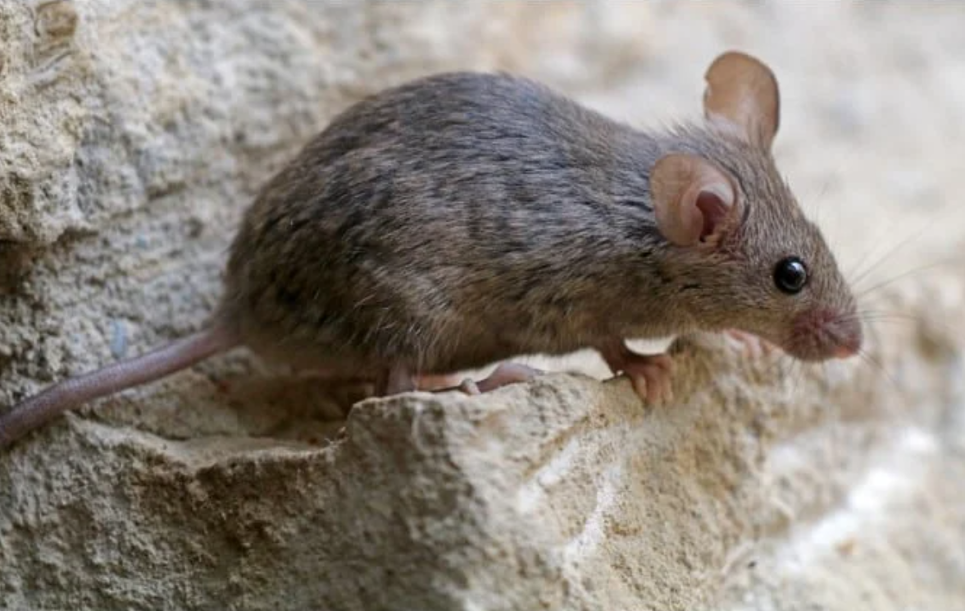
House mice leave tiny, rice-sized droppings, one of the earliest signs of an indoor infestation (image courtesy of All Pest Control & Solutions).
House mice account for most rodent infestations in Maryland homes. Small and adaptable, they reproduce rapidly and can remain active year-round. Their numbers typically rise in fall and winter when colder weather drives them indoors in search of warmth and food.
How to Identify Them
These mice have gray to light brown fur with cream undersides and measure about 5–7 inches including their tail. Their presence is often confirmed by rice-sized droppings, usually found in kitchens, basements, or along baseboards. In areas of heavy activity, homeowners may also notice a distinctive musky odor caused by accumulated urine.
Nesting & Risks
House mice favor quiet, hidden spots such as wall voids, attics, and storage areas, using shredded paper or fabric to build small nests. Beyond being a nuisance, they contaminate food, spread salmonella and LCMV, and worsen allergies. Their constant gnawing damages insulation, wood, and electrical wiring, with some Maryland house fires linked to rodent-chewed wires.
2. Norway Rats: Aggressive Burrowers
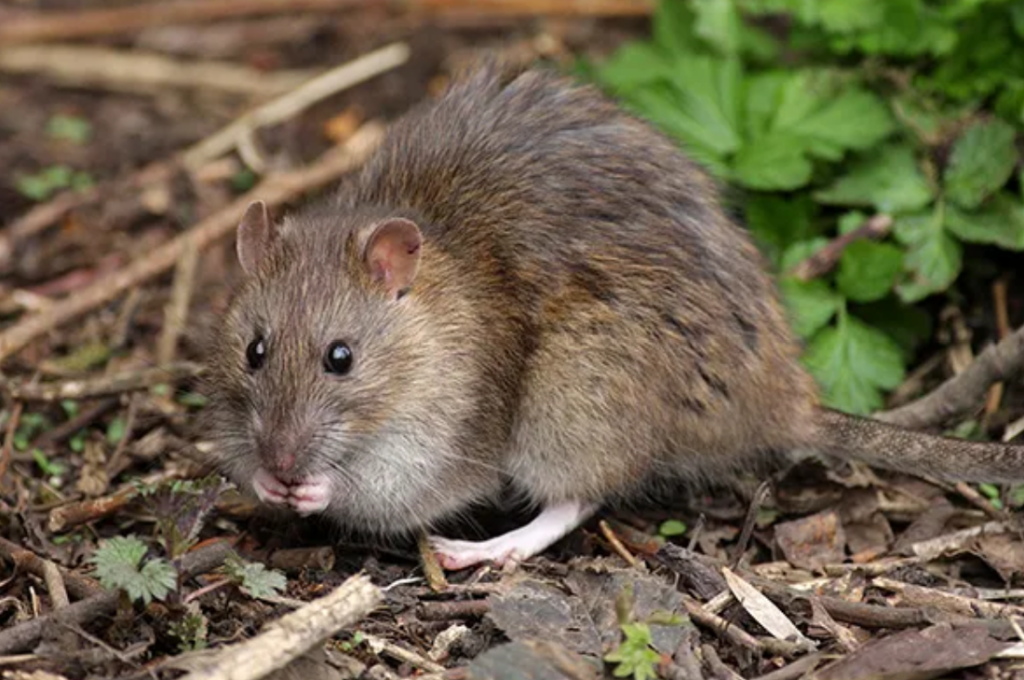
Norway rats dig burrows near foundations, creating runways that can lead indoors (image courtesy of All Pest Control & Solutions).
Norway rats, also called brown or sewer rats, pose a serious threat across Maryland’s urban and suburban areas. These large rodents thrive in Baltimore’s infrastructure and sewer systems and are particularly noticeable in late summer and fall when outdoor food becomes scarce.
Physical Characteristics & Behavior
Much larger than house mice, Norway rats grow 7–10 inches long with tails shorter than their bodies. They have coarse brown or gray fur, blunt snouts, and capsule-shaped droppings. Highly social and intelligent, they often live in colonies and display wariness toward unfamiliar objects, making them difficult to trap.
Habitats & Damage
Norway rats prefer burrowing near foundations, sheds, and compost piles, where their tunnels can undermine concrete slabs and weaken structural supports. Indoors, they stick to basements and ground floors, staying close to food and water. Their gnawing can break pipes, weaken wood, and even damage utility lines. Over time, infestations lead to costly property repairs and health hazards from contamination.
3. Roof Rats: The Climbing Threat
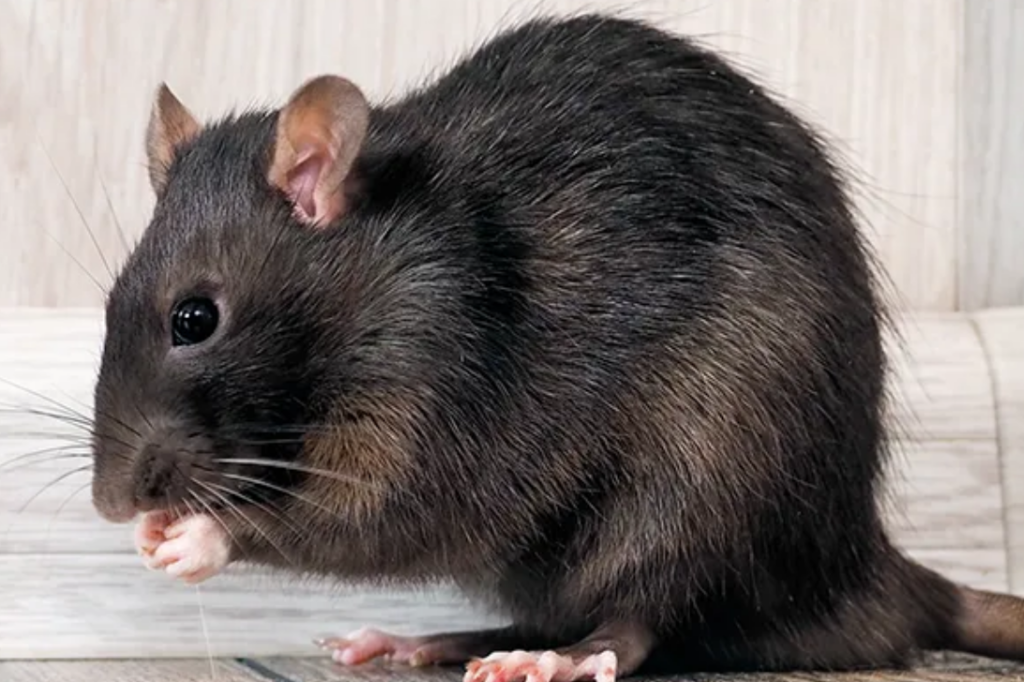
Nighttime noises in attics or ceilings are a common sign of roof rat activity (image courtesy of All Pest Control & Solutions).
Roof rats, also known as black or ship rats, are excellent climbers that prefer high spaces. Their populations are growing in coastal and urban regions of Maryland, aided by mild winters and tree canopies that provide natural pathways into homes.
How to Tell Them Apart
Roof rats are slimmer and lighter than Norway rats, measuring 6–8 inches in body length with tails longer than their bodies. They have pointed snouts, large ears, and smoother, darker fur. Their droppings are smaller and more pointed than those of Norway rats.
Habitats & Entry Points
These rats nest in attics, upper walls, and tree branches rather than underground. They often enter through overhanging branches, chimneys, roof vents, or deteriorating building materials. Once inside, they travel through wall voids and ceilings, making infestations harder to detect and control. Their preference for fruit, seeds, and nuts also draws them to gardens and orchards across Maryland.
4. Deer Mice & White-Footed Mice: Rural Invaders
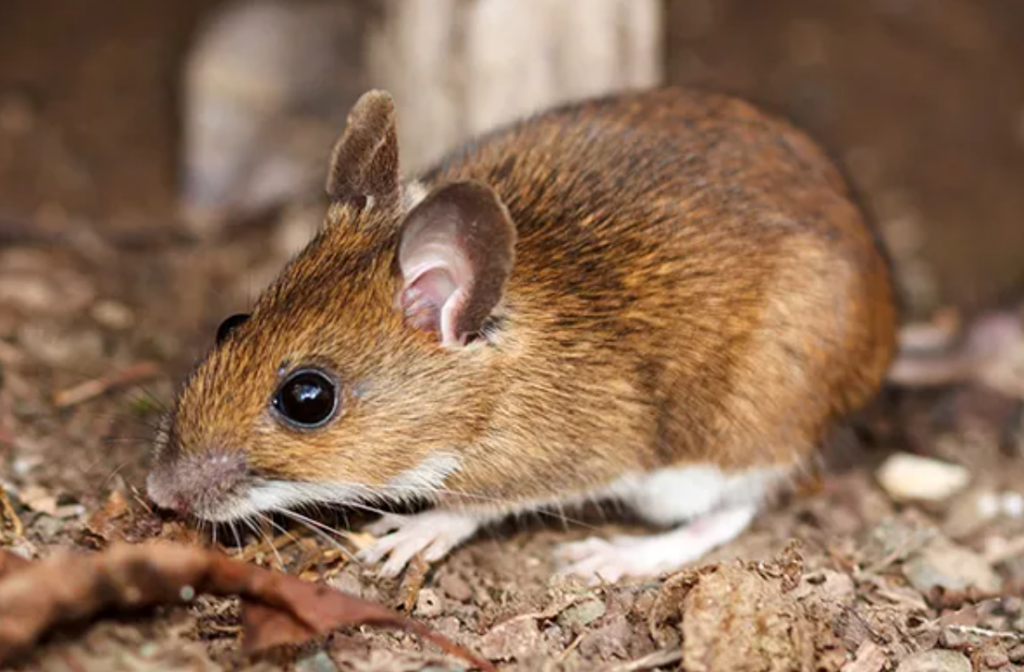
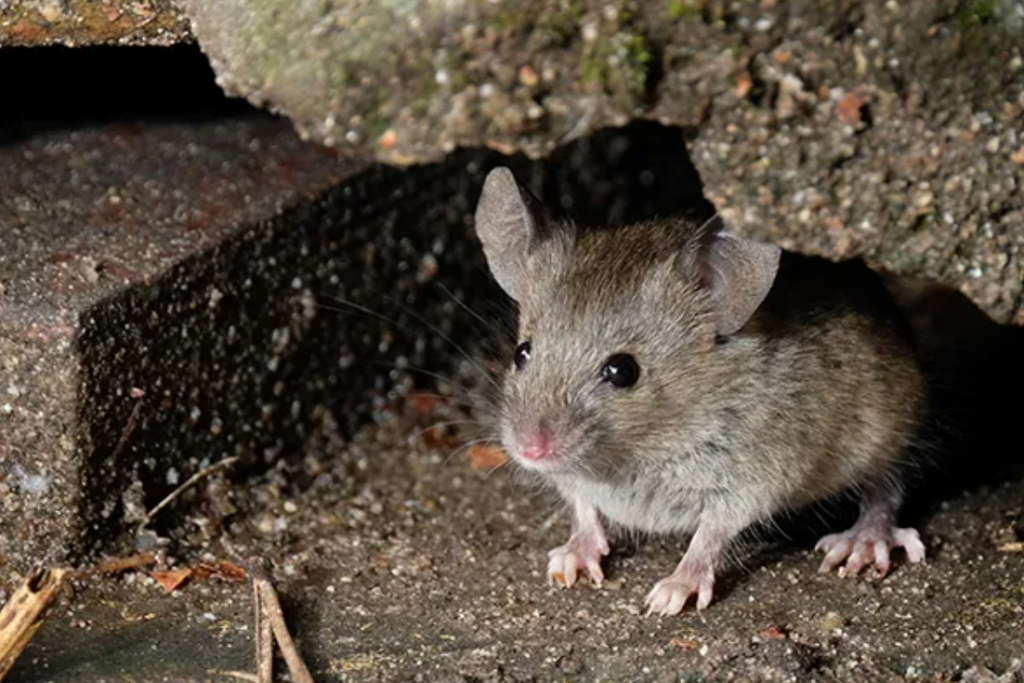
Deer mice and white-footed mice in rural areas can carry diseases like Hantavirus and Lyme (image courtesy of All Pest Control & Solutions).
Deer mice and white-footed mice are native to Maryland and most common in wooded or rural areas, especially near the state’s many forests and fields. While they spend much of their lives outdoors, they often enter homes, barns, and cabins during colder months.
Appearance & Habitat
Both species have distinctive two-tone coloring, brown on top with white undersides and feet. They have large eyes and ears, and their bicolored tails set them apart from house mice. Suburban neighborhoods near wooded areas are particularly vulnerable as these mice adapt well to homes bordering natural habitats.
Health Concerns
These mice are reservoirs for Hantavirus, a serious though rare disease in Maryland, and they play a role in the life cycle of ticks that spread Lyme disease. Their droppings, nests, and parasites also increase the risk of contamination and secondary infestations, making control especially important in rural homes and seasonal properties.
5. Voles: Garden Destroyers

Maryland is home to two distinct species: the meadow vole (pictured above) and the pine vole (image courtesy of Maryland Biodiversity Project).
Unlike other rodents, voles usually remain outdoors, but their impact on Maryland landscapes can be severe. Often mistaken for mice, these stocky rodents thrive in moist soil and dense vegetation, making suburban gardens and naturalized areas ideal habitats.
Signs of Damage
Voles leave narrow runways across lawns, often hidden until snow melts in spring. They gnaw the bark at the base of trees and shrubs, sometimes girdling them completely and killing young plants. Their feeding also severs roots, leading to sudden plant collapse. In Maryland, voles are particularly damaging in gardens with native plantings or dense ground cover that provides food and protection year-round.
What Are the 7 Clear Signs of a Rodent Infestation?
Catching rodent activity early can save you from serious damage and health risks. Here are the most common signs Maryland homeowners should keep an eye out for.
1. Droppings
Rodent droppings are one of the most reliable indicators of an infestation. Fresh droppings are dark and moist, while older ones become dry and crumbly. They commonly appear in kitchens, pantries, under sinks, and storage areas where food and warmth attract activity. A single mouse can leave dozens of droppings daily, and larger rat infestations produce even more, contaminating food and surfaces.
2. Nighttime Noises
Rodents are primarily nocturnal. Scratching, scurrying, or gnawing sounds often come from walls, ceilings, or under floors during late-night or early morning hours. Mice make light, rapid noises, while rats are heavier and deliberate. Disturbances in dust patterns or floorboards may also indicate established travel routes even when the rodents themselves remain hidden.
3. Gnaw Marks
Rodents must constantly gnaw to manage their ever-growing teeth. Look for chewed food packaging, frayed wires, or gnawed wood and insulation. Fresh marks are lighter in color, while older damage darkens. Mice leave fine, shallow marks, while rats create deeper grooves. Concentrated gnawing near entry points often indicates persistent attempts to enter or exit your home.
4. Nesting Materials
Rodents collect soft materials like shredded paper, fabric, insulation, and plant matter to build nests. Check attics, basements, wall voids, behind appliances, and seldom-used storage areas. Warmth and shelter make these locations ideal, and in Maryland’s humid climate, moisture-resistant materials are particularly attractive for nesting.
5. Greasy Rub Marks
Frequent rodent pathways leave dark, oily smudges from fur and dirt. These marks are most visible near corners, along walls, or at entry points. Mouse rub marks appear close to the floor, while rats leave higher streaks. In homes with textured walls or older paint, these marks become more pronounced over time.
6. Pet Behavior
Dogs and cats often sense rodent activity before humans do. Pets may stare at walls, paw at cabinets, or act unusually alert at night. Basements, crawlspaces, and vents often trigger this behavior as rodents travel along hidden pathways, and pet interest can help locate infestations early.
7. Outdoor Burrows
Check the exterior of your property for burrows and runways. Norway rats dig entrances 2–4 inches wide, often along foundations, under slabs, or near dense vegetation. Flattened grass paths and fresh soil indicate recent activity, suggesting rodents are nearby and may soon enter your home.
DIY Rodent Prevention for Maryland Homeowners
Preventing rodents comes down to sealing entry points, removing attractants, and managing the habitat around your home. Serious infestations may need professional help, but homeowners can cut rodent pressure with consistent DIY steps, especially during seasonal transitions when rodents look for warmth indoors. When prevention is not enough, Connor’s Pest Pros handles inspection, exclusion, and treatment across Maryland.
Sealing Entry Points
Check for gaps around utility lines, roof junctions, door sweeps, weather stripping, and basement or garage entries. Use appropriate sealants to block rodents while allowing pipe or wire movement. Regular inspections are important in Maryland’s climate, which can wear down barriers quickly.
Food Storage & Waste Management
Store cereals, grains, pet food, and other dried goods in sealed containers. Secure birdseed, fertilizers, and bulk pet supplies. Clean trash bins, compost systems, and recyclables to remove food sources. Keep pantries and appliance areas crumb-free, and manage bird feeders to prevent spilled seeds from attracting rodents.
Yard Maintenance
Maintain an 18-inch vegetation-free perimeter around foundations, place woodpiles at least 12 inches off the ground, and keep them 20 feet from structures. Regular lawn care and tree or shrub pruning remove cover and “bridges” that allow rodents to reach upper areas of the home.
Natural Repellents
Use peppermint oil on cotton balls or cat litter near entry points to supplement other prevention methods. These deterrents work best alongside sealing, sanitation, and habitat management as rodent sensitivity varies.
When to Call Maryland Pest Professionals
DIY prevention works for minor rodent issues, but persistent infestations, large populations, or activity in hard-to-reach areas require professional help. Homes with historic features, complex construction, or vulnerable occupants especially benefit from expert assessment.
| DIY Approach Appropriate When | Professional Help Recommended When |
| Only 1–2 rodents sighted | Multiple rodents sighted simultaneously |
| Activity confined to one area | Evidence throughout the home |
| Entry points visible and accessible | Suspected entry in inaccessible areas |
| No structural damage | Signs of wiring, insulation, or structural damage |
| No recurring infestations | Previous DIY attempts have failed |
Signs of a Severe Infestation
Daytime sightings, multiple burrows, fresh gnaw marks, widespread droppings, or structural damage indicate established colonies. Strong musky or ammonia odors in attics or wall voids signal long-term infestation. In extreme cases, deceased rodents may be present, requiring professional removal for safety.
What to Expect from Professional Rodent Control
Technicians start with a full inspection, identifying species, population size, entry points, and attractants. Hard-to-reach areas like crawlspaces, attics, and wall voids are included in complete mice removal. They provide a tailored plan, explain strategies, and monitor results to ensure complete resolution.
Stop Maryland Rodents Before They Settle In

Early detection saves property; inspect attics, basements, and crawlspaces for signs of rodents.
Maryland’s rodent pressure runs year-round, with house mice and Norway rats leading indoor infestations, roof rats spreading through coastal and urban areas, deer mice and white-footed mice threatening properties near woodlands, and voles damaging gardens statewide. Watching for droppings, nighttime noises, gnaw marks, nesting materials, and rub marks gives homeowners the best chance to prevent structural damage, wiring fires, and contamination before a few rodents turn into a colony.
Connor’s Pest Pros identifies the exact species, seals the entry points DIY methods miss, and treats each infestation with a plan built for how that rodent behaves. As a family-owned operation serving Maryland and the DC metro area, it backs same-day service with a 100% satisfaction guarantee and free re-treatments, so a recurring problem gets handled until the home is clear.
Reach out today for a free quote!
Frequently Asked Questions (FAQs)
Can rodents damage my Maryland home?
Yes. Rodents gnaw on wiring, insulation, wood, and pipes, which can cause fire risks, structural damage, and contamination of food or living areas. Their nesting habits and droppings also create hygiene hazards if left unchecked.
What types of damage are rodents most likely to cause?
Rodents can damage wiring, insulation, wood, stored food, gardens, landscaping, and occasionally plumbing. These activities create fire hazards, structural weakening, and food contamination, which makes timely identification and intervention essential for Maryland homeowners.
How do I identify which rodent species I have?
Identification relies on size, fur color, tail length, droppings shape, nesting habits, and gnaw patterns. Mice are small with pointed tails, Norway rats are larger with blunt tails, and roof rats are skilled climbers with distinct nesting preferences.
Can pets detect rodent activity before humans?
Yes. Dogs and cats often sense rodents before humans notice. They may exhibit unusual alertness, focus on hidden areas, scratch or paw at walls, or find spaces where rodents hide, providing an early warning of infestation.
Can I handle rodents myself in Maryland?
Minor infestations may be managed with DIY strategies like sealing entry points, proper food storage, and traps. For persistent or large infestations, services like Connor’s Pest Pros provide professional, safe, and effective rodent control with long-term results.