
Key Takeaway
- Raccoon droppings are tubular, 2–3 inches long with blunt ends and visible food particles, while rat droppings are smaller (1/2 inch) with pointed ends.
- Identifying the correct animal waste is crucial for effective pest control strategies and assessing potential health risks.
- Raccoon feces can contain dangerous roundworm eggs that survive for years and pose serious health threats to humans, while rat poop could contain hantavirus.
- Rats typically leave droppings in trails along travel routes, while raccoons often create communal “latrines” in specific locations.
- Connor’s Pest Pros provides integrated assessment of infestation scope and pathogen-specific remediation expertise.
Identifying Raccoon vs Rat Droppings: Why It Matters
Correctly identifying whether you’re facing a raccoon or rat infestation determines your action plan, safety precautions, and control methods. Understanding these differences is essential for protecting your home and family from the distinct health risks each species presents.
The health risks between these 2 types of droppings differ significantly. Raccoon feces can harbor dangerous roundworm eggs that survive for years and can cause severe neurological damage if accidentally ingested.
Rat droppings, while hazardous, typically carry different pathogens, such as hantavirus and salmonellosis. Misidentification could lead you to take inadequate precautions when cleaning or using ineffective control methods.
|
Connor’s Pest Pros: Family-Owned Pest Control Experts Choose Your Pest Protection Solution:
Customer Praise:
★★★★★ “Quick to answer my call and available same-day… I recommend them to anyone looking for pest control in NOVA.” – Jacquelyn L.
Why Choose Connor’s Pest Pros:
|
What Raccoon Poop Looks Like
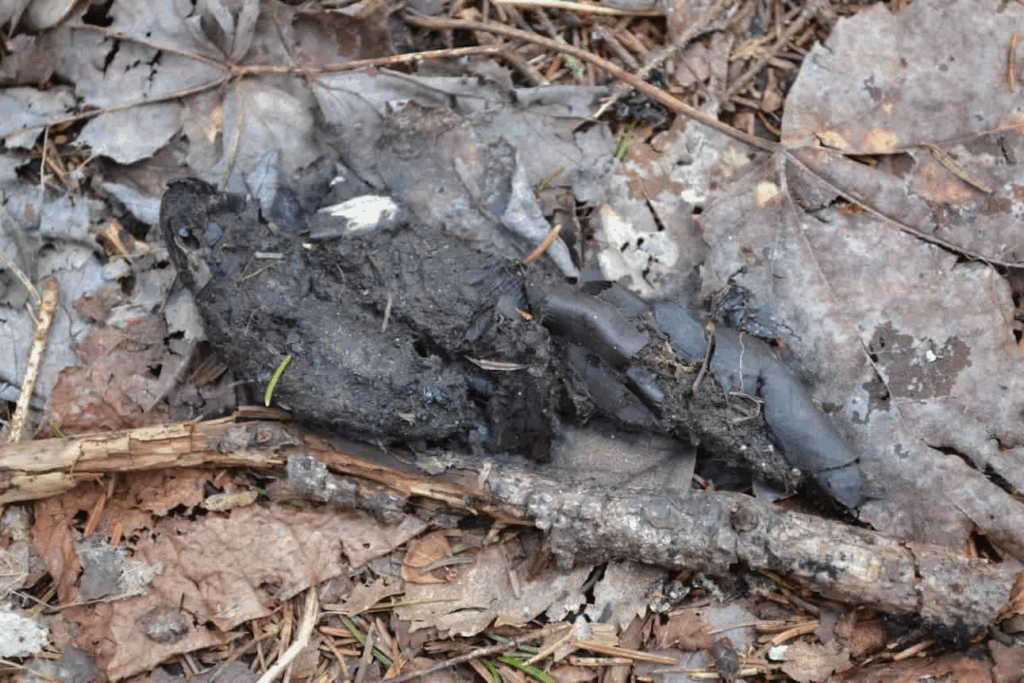
Fresh raccoon scat has a strong, unpleasant odor that can aid identification, particularly in enclosed spaces like attics, where raccoons often take shelter. (Image source: Nature Mentoring)
Size & Shape Characteristics
Raccoon droppings are substantially larger than rat feces, typically measuring between 2 and 3 inches in length and about ½ inch in diameter.
The shape is cylindrical and tubular, similar to small dog droppings, with blunt, rounded ends rather than tapered points. Unlike rat droppings, which maintain a more consistent appearance, raccoon scat can sometimes appear broken or segmented, mainly when containing numerous food particles.
The volume of droppings is also noteworthy—raccoons tend to eliminate larger amounts at once compared to the smaller, scattered droppings of rats.
When examining suspected raccoon droppings, you’ll notice they don’t maintain the uniform appearance that rat droppings typically exhibit. Instead, they often show varying textures within the same sample due to the raccoon’s diverse diet.
Color & Texture Details
Raccoon droppings are typically dark brown to black when fresh, though the color can vary significantly depending on the animal’s recent diet. As they age and dry out, the droppings may lighten to a grayish color.
A distinct feature of raccoon scat is the visible food remnants—you’ll often spot seeds, berries, or undigested corn kernels mixed throughout, reflecting their omnivorous eating habits.
The texture of raccoon feces is another identifying characteristic. Fresh droppings have a moist, sometimes almost pasty consistency before drying out.
Unlike rat droppings, which maintain a more pellet-like form, raccoon feces often have a more varied texture throughout. After rainfall or in humid conditions, raccoon droppings may develop a fuzzy appearance due to mold growth, which can actually increase their potential health hazards.
What Rat Poop Looks Like
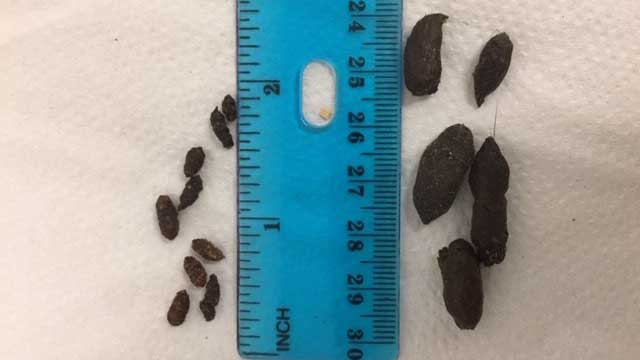
Rat droppings (right) showing characteristic pellets with pointed ends measuring approximately 1/2 inch in length. The ones on the left are mouse feces. (Image source: Alberta)
Size Comparison to Raccoon Droppings
Rat droppings are dramatically smaller than raccoon feces, measuring approximately ¼ to ½ inch in length—roughly the size of a grain of rice or a small olive pit.
This size difference provides the most immediate and obvious distinction between the 2 types of waste. While raccoon scat resembles small dog droppings, rat feces are much more modest in both individual pellet size and total volume.
The quantity pattern also differs significantly. Where raccoons create concentrated latrine areas with large volumes of waste, rats typically leave behind scattered trails of 20–50 individual droppings along their travel routes.
Fresh rat droppings appear shiny and moist but quickly dry out and become dull and crumbly within days, allowing you to gauge how recently the rats have been active in an area.
Distinctive Shape & Ends
Rat droppings have a distinctive spindle shape with pointed ends, resembling small, dark grains of rice. This contrasts sharply with the blunt, rounded ends and tubular structure of raccoon droppings.
Norway rats (brown rats) tend to produce droppings with slightly more curved, banana-like shapes, while roof rat droppings are typically more pointed and straight.
The consistency of rat feces is also noteworthy—they maintain a uniform appearance throughout each dropping, unlike raccoon scat that often contains visible food remnants. Rat droppings are solid and compact, lacking the varied texture seen in raccoon waste.
Raccoon Poop vs Rat Poop: Visual Comparison Table
| Characteristic | Raccoon Droppings | Rat Droppings |
| Size | 2–3 inches long, ½ inch diameter | ¼–½ inch long, ⅛ inch diameter |
| Shape | Tubular with blunt ends | Spindle-shaped with pointed ends |
| Contents | Often contains visible food particles (berries, seeds) | Uniform texture, no visible food particles |
| Location Pattern | Concentrated in latrine areas | Scattered along travel routes |
| Health Risks | Baylisascaris (raccoon roundworm), leptospirosis | Hantavirus, salmonellosis, leptospirosis |
Effective Solutions
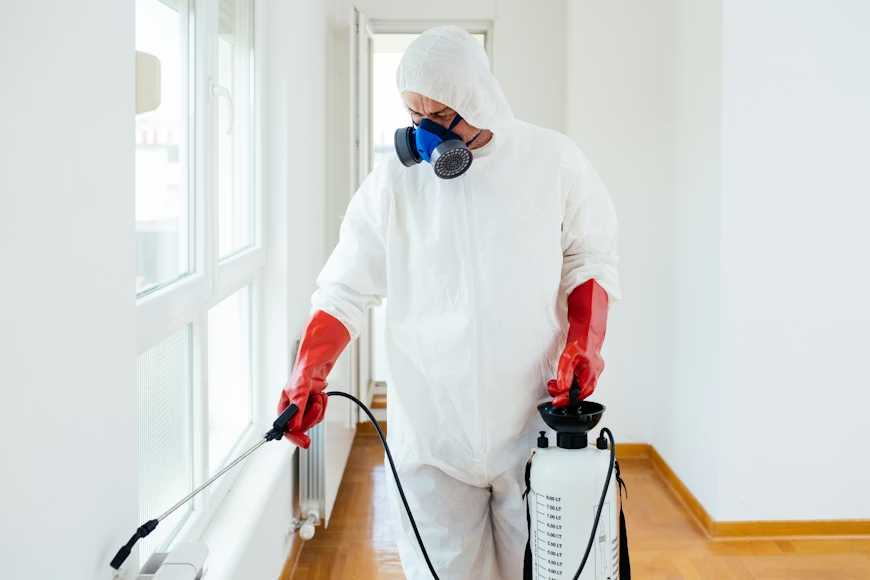
Professional removal is often necessary as raccoons can be territorial and potentially aggressive, especially females with young.
Once you’ve correctly identified whether you’re dealing with raccoon or rat droppings, taking prompt action is crucial to protect both your health and property. The approaches to addressing these two pests differ significantly due to their distinct behaviors, habitats, and unique health risks they pose.
For raccoon infestations, focus first on identifying and sealing entry points to your home, particularly around roof vents, chimney caps, and soffit intersections. Remove attractants like accessible garbage, pet food, and fallen fruit from your property. Consider installing motion-activated lights or sprinklers in areas where raccoon activity is detected.
When dealing with rat infestations, implement a multi-faceted approach that includes thorough exclusion work (sealing holes as small as a quarter-inch), removing food sources, setting appropriate traps in high-activity areas, and using rodenticides as a last resort under professional guidance.
How Connor’s Pest Pros Can Help
Dealing with raccoon or rat droppings? Connor’s Pest Pros helps you remove pests and keep them from coming back.
Identifying whether droppings come from raccoons or rats is the first step toward fixing the problem. At Connor’s Pest Pros, we specialize in fast, accurate pest identification and tailored solutions based on the specific animal involved.
Our team begins with a detailed inspection to locate entry points, nesting areas, and attractants around your property. From there, we create a targeted plan that may include humane removal, sealing access points, and reducing food and shelter sources. All services follow legal and humane standards while minimizing disruption to your home.
We offer same-day or next-day rodent identification and treatment when droppings are discovered, along with a Total Protection Plan starting at $95 per month for ongoing monitoring and prevention. With more than 415 5-star reviews, a 2024 Angi Super Service Award, and a 100% satisfaction guarantee, we’ll help protect your home long term from raccoons, rats, and other wildlife.
Reach out today for a free quote!
Frequently Asked Questions (FAQs)
Can I get sick from touching raccoon or rat droppings?
Yes, both raccoon and rat droppings pose significant health risks if touched or even if their particles become airborne and are inhaled.
Raccoon feces can contain Baylisascaris procyonis eggs (raccoon roundworm), which can cause severe neurological damage in humans if accidentally ingested. Rat droppings may carry hantavirus, which can cause Hantavirus Pulmonary Syndrome, a potentially fatal respiratory disease.
How quickly should I clean up animal droppings once I discover them?
Animal droppings should be cleaned up as soon as possible, but only after taking proper safety precautions and ensuring the animals themselves are no longer present. Fresh droppings pose immediate health risks as the pathogens are still viable.
However, even old, dried droppings can be dangerous—especially raccoon feces, as roundworm eggs can remain infectious for years in the environment.
Will household bleach kill parasites in raccoon feces?
No, household bleach is not fully effective against raccoon roundworm eggs, which are highly resistant to most common disinfectants. While a solution of one part bleach to ten parts water can kill many bacteria and viruses in the droppings, the roundworm eggs have a protective coating that resists bleach.
For areas contaminated with raccoon feces, experts recommend using a specialized treatment. First, carefully remove all visible waste, then treat the area with a flame torch (where safe and appropriate) as extreme heat is one of the few methods proven to kill roundworm eggs.
What sets Connor’s Pest Pros apart for rat and raccoon identification and control?
At Connor’s Pest Pros, we provide same-day service from licensed professionals who accurately identify rat and raccoon activity and tailor treatments to the specific issue.
We offer free inspections, use humane and legal removal methods, and include free re-treatments with a 100 percent satisfaction guarantee, helping ensure the problem is addressed correctly from the start.
*Image Disclaimer: Some images used in this blog post are sourced from third-party websites and remain the property of their respective owners unless otherwise stated. We do not claim ownership of these images and use them for illustrative purposes only.