
Key Takeaways
- Possums are generally non-aggressive animals that prefer avoidance over confrontation, with their intimidating hissing and teeth-baring displays representing fear responses rather than preparations for attack.
- Despite common misconceptions, possums are highly resistant to rabies because of their lower body temperature, making them among the least likely mammals to transmit the disease.
- While possums provide valuable ecosystem services by consuming insects each year, they can also carry parasites and bacteria.
- Professional wildlife removal becomes necessary when possums appear sick or injured, repeatedly return despite deterrents, or establish dens inside home structures where they don’t belong.
- Connor’s Pest Pros provides professional possum removal with same-day service and humane handling methods when these beneficial marsupials establish dens in inappropriate locations.
Possum Encounters: Understanding These Misunderstood Creatures
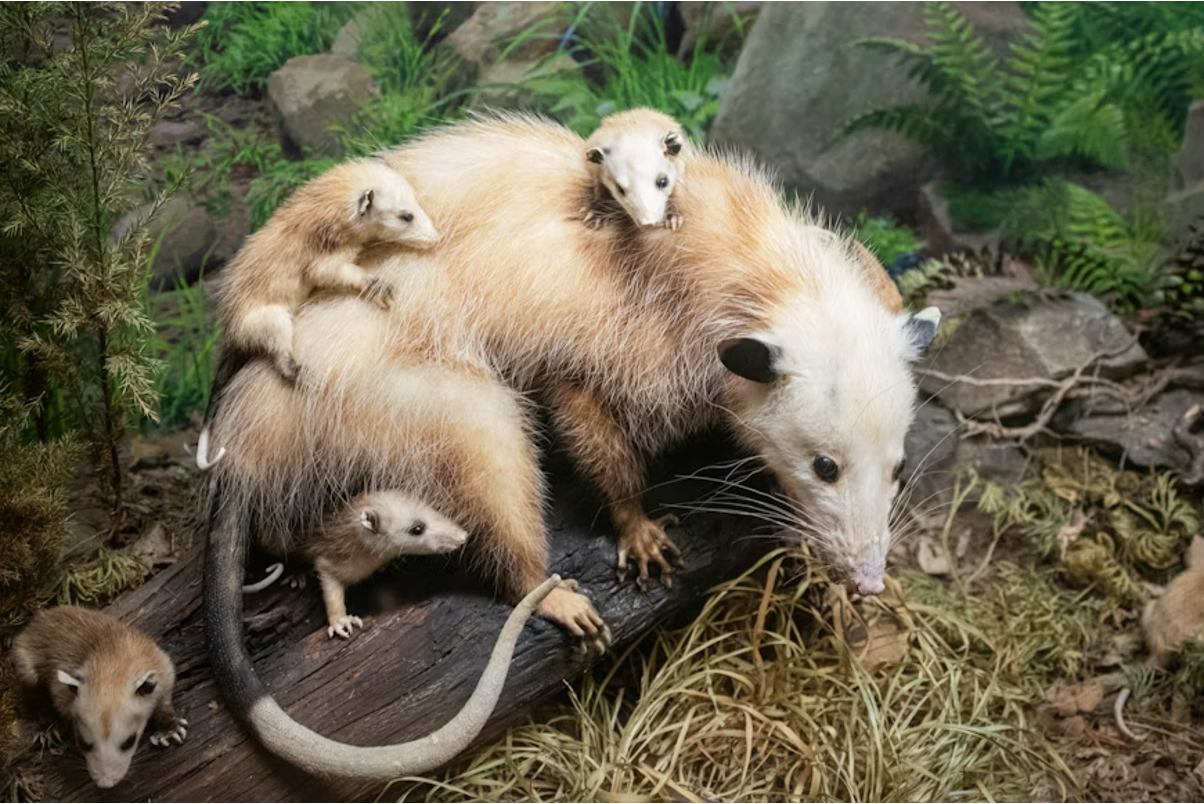
Possums are among North America’s most misunderstood wildlife neighbors. These nocturnal marsupials often get a bad reputation due to their somewhat unsettling appearance and defensive behaviors.
However, wildlife management experts confirm that possums are actually quite docile creatures that contribute significantly to our ecosystem. They’re natural pest controllers, consuming thousands of insects each year, helping reduce the spread of Lyme disease and other tick-borne illnesses in human populations.
When we examine whether possums pose any danger to humans, the short answer is: rarely, if ever. Unlike more territorial or predatory wildlife, possums have evolved to avoid confrontation rather than engage in it. Their primary survival strategy revolves around evasion and deterrence, not aggression.
Understanding these fundamental aspects of possum behavior can help alleviate unnecessary fears and promote healthier coexistence with these beneficial creatures.
|
Connor’s Pest Pros: Family-Owned Pest Control Experts Choose Your Pest Protection Solution:
Customer Praise:
★★★★★ “Quick to answer my call and available same-day… I recommend them to anyone looking for pest control in NOVA.” – Jacquelyn L.
Why Choose Connor’s Pest Pros:
|
Natural Possum Behavior Around Humans
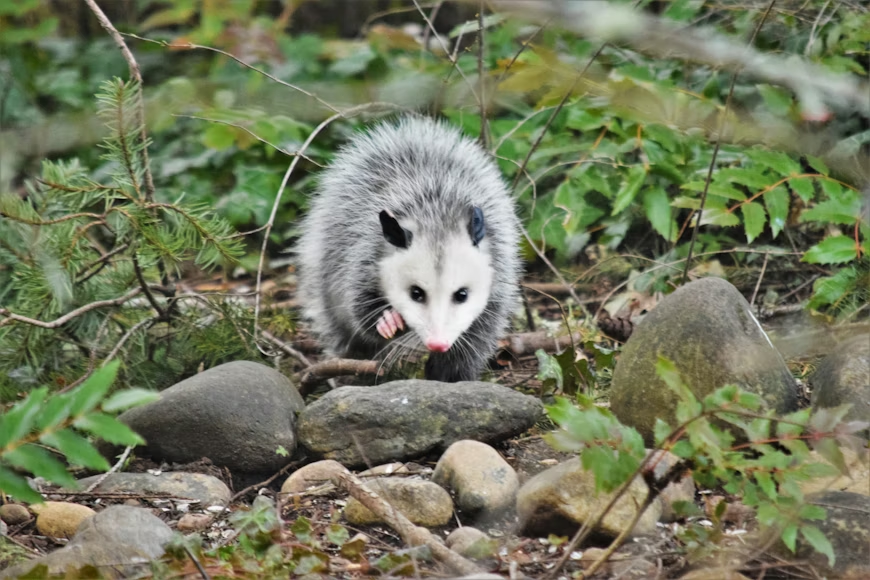
Opossum exhibits typical shy behavior and prefers retreat over confrontation when encountering humans in residential settings.
Possums are inherently shy and non-confrontational animals. Their natural instinct when encountering humans is to retreat or hide rather than approach or attack.
This avoidance behavior is deeply ingrained in their survival strategy as they’ve evolved to recognize larger mammals, including humans, as potential predators. Most possum activity occurs at night, further minimizing their interactions with people.
When possums venture into human territory, it’s typically in search of easy food or shelter, not because they’re seeking human contact. You might spot them rummaging through unsecured garbage bins, eating fallen fruit in gardens, or seeking warm spaces during colder months. Their presence in urban and suburban environments has increased as their natural habitats have diminished, forcing them to adapt to human-adjacent living.
It’s worth noting that possums are nomadic by nature and rarely establish permanent dens in residential areas. A possum visiting your property is likely just passing through its roughly 10–350-acre territory range. This transient behavior means that even if you spot a possum on your property, it may naturally move on within a day or two without any intervention required.
Understanding Defensive Behaviors
| Behavior | What It Looks Like | What It Actually Means |
| Showing teeth, hissing, growling. | Aggressive attack preparation. | Creating fear to maintain distance. |
| Drooling or foaming at mouth. | Rabies or disease indication. | Stress response, not illness. |
| Playing dead. | Trick to attack when you’re close. | Ultimate involuntary defense mechanism. |
| Puffed fur, arched back. | Preparing to charge. | Attempting to appear larger and more threatening. |
Health Risks: Separating Fact From Fiction
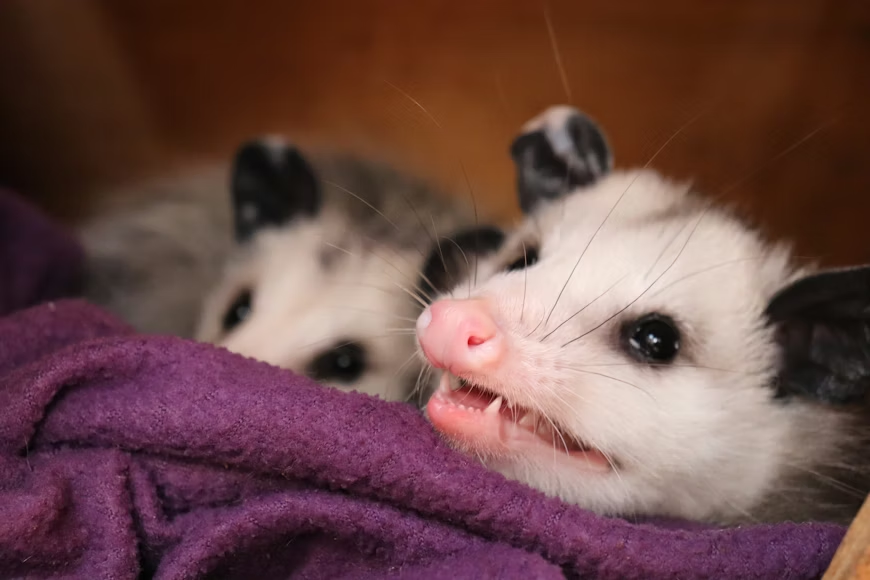
Despite common misconceptions, possums pose minimal health risks to humans when compared to many other wild animals.
Possums spend significant time grooming and removing parasites from their fur, directly contributing to reduced tick populations and associated diseases. Their fastidious grooming habits actually make them cleaner than many mammals we encounter regularly.
That said, like all wild animals, possums can potentially carry certain pathogens or parasites. The key distinction lies in understanding the actual likelihood of transmission to humans, which requires specific circumstances that rarely occur in typical possum encounters.
Most health concerns associated with possums involve direct contact with their bodily fluids or waste, situations that can easily be avoided with common-sense precautions.
It’s important to approach possum health risks with perspective. You’re far more likely to contract diseases from many domestic animals or even other humans than from a passing possum.
Do Possums Carry Rabies? The Surprising Answer
One of the most persistent myths about possums is that they frequently carry rabies. The scientific reality is quite the opposite—possums are remarkably resistant to rabies virus infection due to their lower body temperature compared to other mammals.
Their body temperature (94–97°F) creates an inhospitable environment for the virus to replicate effectively. While not completely immune, possums are among the least likely mammals to contract or transmit rabies, with documented cases being exceedingly rare.
This resistance to rabies represents one of many ways possums differ from other wildlife that commonly enter residential areas. Unlike raccoons, foxes, or bats—all of which are significant rabies vectors, possums present a negligible rabies transmission risk.
Parasites & Diseases Possums Can Transmit
While possums themselves are fastidious groomers, they can potentially harbor external parasites like fleas and ticks, which may find their way into homes if a possum regularly visits your property.
Bacterial infections, such as leptospirosis, can be present in possum urine, though transmission requires direct contact with contaminated materials. Possums may also carry intestinal parasites such as Salmonella or Cryptosporidium, which could potentially contaminate garden areas or water sources.
The risk of transmission is minimized by basic hygiene practices, such as washing hands after gardening and thoroughly washing any produce from gardens visited by possums.
Bite & Scratch Risks
Possum bites and scratches are rare but warrant attention when they do occur. Like any wildlife bite, a possum bite can introduce bacteria that may lead to infection if not properly cleaned and treated.
Their sharp claws can also cause scratches that should be disinfected promptly. While possums have been documented to carry diseases like tularemia that could potentially be transmitted through bites, such cases are extremely uncommon and typically only occur when possums are handled directly—something wildlife experts strongly discourage.
What To Do If You Encounter a Possum
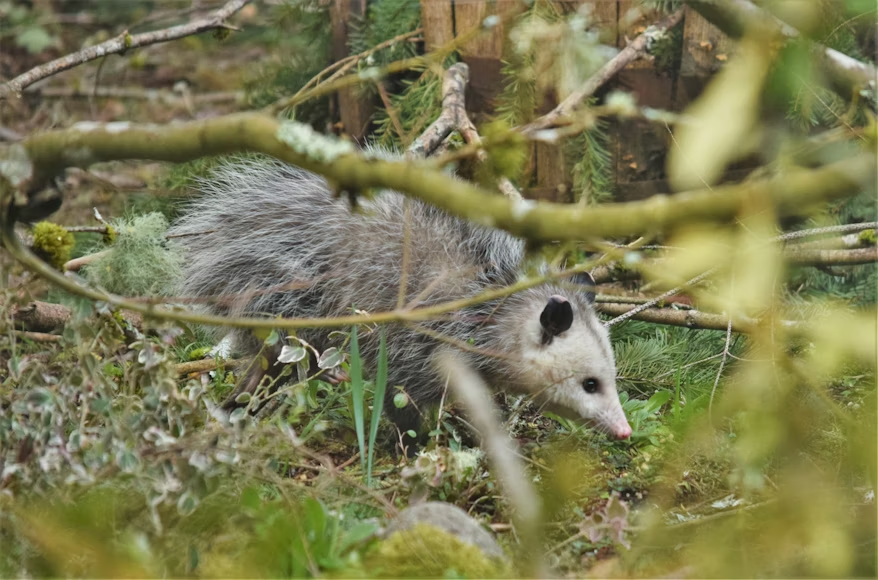
Encountering a possum unexpectedly can be startling, but remaining calm is essential for both your safety and the animal’s well-being.
Most possum encounters are brief and uneventful, as these animals typically want nothing more than to avoid human interaction. Your first response should be to maintain distance and assess whether the possum has a clear escape route away from you.
If you discover a possum in your garage, shed, or other enclosed space, the simplest solution is often to provide an exit route. Open doors or windows, then step back and give the animal time and space to leave on its own.
Possums are not territorial and have no interest in confrontation; they’re simply looking for food or temporary shelter. Once they realize they’ve been discovered, most possums will gladly take the opportunity to escape if given a clear path.
Safe Distance Guidelines
Wildlife management experts recommend maintaining a safe distance from any wild possum. This buffer zone provides adequate space for the animal to feel secure while allowing you to observe it safely if you’re curious.
At this distance, possums rarely display defensive behaviors and are more likely to continue about their business or calmly retreat. Remember that sudden movements can trigger fear responses, so move slowly and deliberately when in the vicinity of a possum.
For homeowners concerned about possums in their yards, this distance guideline applies to all family members, including children who might be curious about wildlife. Teaching children to appreciate wildlife from a respectful distance not only protects them but also instills important values about coexisting with nature.
How To React If a Possum Approaches
While extremely rare, if a possum approaches you instead of retreating, remain calm and avoid sudden movements. Stand your ground and make yourself appear larger by raising your arms or opening a jacket.
Speaking in a firm, loud voice can deter the animal. Most importantly, never run from a possum, as sudden movements might trigger a fear response or chase instinct.
If the possum continues to approach, it could indicate that the animal is habituated to humans (possibly from being fed), disoriented, or ill. Create noise by clapping hands or stomping feet, which will typically startle the animal enough to change its direction.
Using a broom or similar object to create a barrier between yourself and the possum can provide an additional safety margin without harming the animal.
In the extremely unlikely event a possum makes physical contact, protect your face and neck while backing away. Once you’ve created distance, assess any scratches or bites, which should be thoroughly cleaned with soap and water, followed by prompt medical attention to prevent infection.
When To Call Wildlife Professionals
If a possum appears sick (staggering, visible injuries, unusual aggression), is repeatedly returning to your living spaces despite deterrents, or has established a den with babies in an unsafe location such as inside your home’s structure, professional help is advisable.
Wildlife professionals have the training and equipment to safely and humanely relocate possums without harming the animals or property. They can also identify and seal entry points to prevent future intrusions. When selecting a wildlife service, ensure they’re licensed, use humane methods, and follow local regulations regarding wildlife handling and relocation.
Connor’s Pest Pros provides same-day possum removal when you call before noon, using humane handling methods that respect these beneficial animals while resolving conflicts with human living spaces.
Our wildlife specialists identify why possums are attracted to your property and implement exclusion measures preventing future intrusions—addressing root causes rather than just removing individual animals.
Connor’s Pest Pros: Your Trusted Wildlife Management Team
Connor’s Pest Pros provides same-day possum removal with humane handling.
When possums establish dens inside home structures, appear sick or injured, repeatedly return despite deterrent efforts, or create ongoing conflicts that simple precautions cannot resolve, Connor’s Pest Pros provides the expertise necessary for humane, effective resolution.
Our approach to possum removal recognizes these animals’ beneficial ecological role while addressing legitimate conflicts with human living spaces.
We don’t simply trap and remove—we identify why possums are attracted to your specific property, implement exclusion measures preventing future intrusions, and address root causes that would otherwise attract replacement animals to the same attractive habitat.
Our comprehensive service includes thorough property assessment, identifying attractants and entry points, humane removal using one-way doors or live trapping when necessary, professional exclusion work, sealing all potential entry points, attractant elimination guidance to prevent future conflicts, and repair services addressing any structural damage from wildlife intrusion.
Results You Can Trust
- Our 415+ five-star reviews reflect consistent success resolving wildlife conflicts humanely and effectively throughout the DC metro area.
- Our 2024 Angi Super Service Award recognizes service excellence that balances customer needs with animal welfare considerations.
- Our 100% satisfaction guarantee covers complete resolution—if possums return through entry points we sealed, we return at no charge to address the situation.
We provide same-day service for possum removal when you call before noon—typically arriving that afternoon for urgent situations.
Contact us today for your free quote!
Frequently Asked Questions (FAQs)
Will a possum attack my pets?
Possums rarely initiate attacks on pets and typically prefer avoidance over confrontation. When encountered by cats or dogs, a possum’s first instinct is to flee or play dead rather than engage.
Most reports of “attacks” occur when a possum is cornered with no escape route and forced to defend itself. Even in these defensive situations, possums typically limit themselves to hissing and showing their teeth rather than engaging in physical aggression.
Are baby possums dangerous to handle?
While baby possums (joeys) appear less threatening than adults, handling any wild animal is discouraged. Baby possums can harbor the same parasites as adults, and handling them can leave a human scent that may prompt the mother to reject them.
Additionally, removing apparently orphaned babies might be unnecessary, as the mother may be nearby foraging and will return.
Do possums destroy property as raccoons do?
Unlike raccoons, possums rarely cause significant property damage. They don’t have the dexterity or problem-solving abilities that enable raccoons to open containers, tear through materials, or manipulate latches.
Possums are opportunistic rather than destructive—they’ll use existing openings rather than creating new ones, and typically don’t chew through structures or wiring as rodents do. The primary concerns associated with possums are scattered trash if they access unsecured garbage, consumption of pet food left outdoors, or occasional use of attics or crawlspaces as temporary shelter.
When should I call a professional for possum removal?
Professional removal becomes advisable when a possum appears sick or injured (staggering, visible wounds, unusual aggression), repeatedly returns to your living spaces despite removing attractants and sealing entry points, has established a den inside your home’s structure (attic, crawlspace, walls), is creating ongoing conflicts with pets or family members, or when baby possums are present in an unsafe location.
Connor’s Pest Pros provides same-day possum removal when you call before noon, using humane methods that resolve conflicts while respecting these beneficial animals’ ecological role. Our wildlife specialists identify why possums are attracted to your property and implement exclusion measures to prevent future intrusions.