
Key Takeaways
- Bed bug bites appear in clusters or lines, while spider bites are usually singular with visible puncture marks.
- Spider bites can be medically serious (especially from black widows or brown recluse spiders), while bed bug bites are irritating but rarely dangerous.
- The location and pattern of bites is one of the fastest ways to tell the difference. Once you know which pest you’re dealing with, targeted treatment from a licensed professional is the fastest way to stop the problem..
- Waking up with new bites every few days is a strong signal of a bed bug infestation that needs immediate attention.
- If your home is infested with spiders or bed bugs, Connor’s Pest Pros offers professional pest control services to help you eliminate the problem for good.
Bite on Skin: Was It From a Spider or Bed Bug?
Both spider bites and bed bug bites cause redness, swelling, and itching, which is exactly why they get confused so often. But the two bites come from very different creatures, happen under very different circumstances, and carry very different levels of risk.
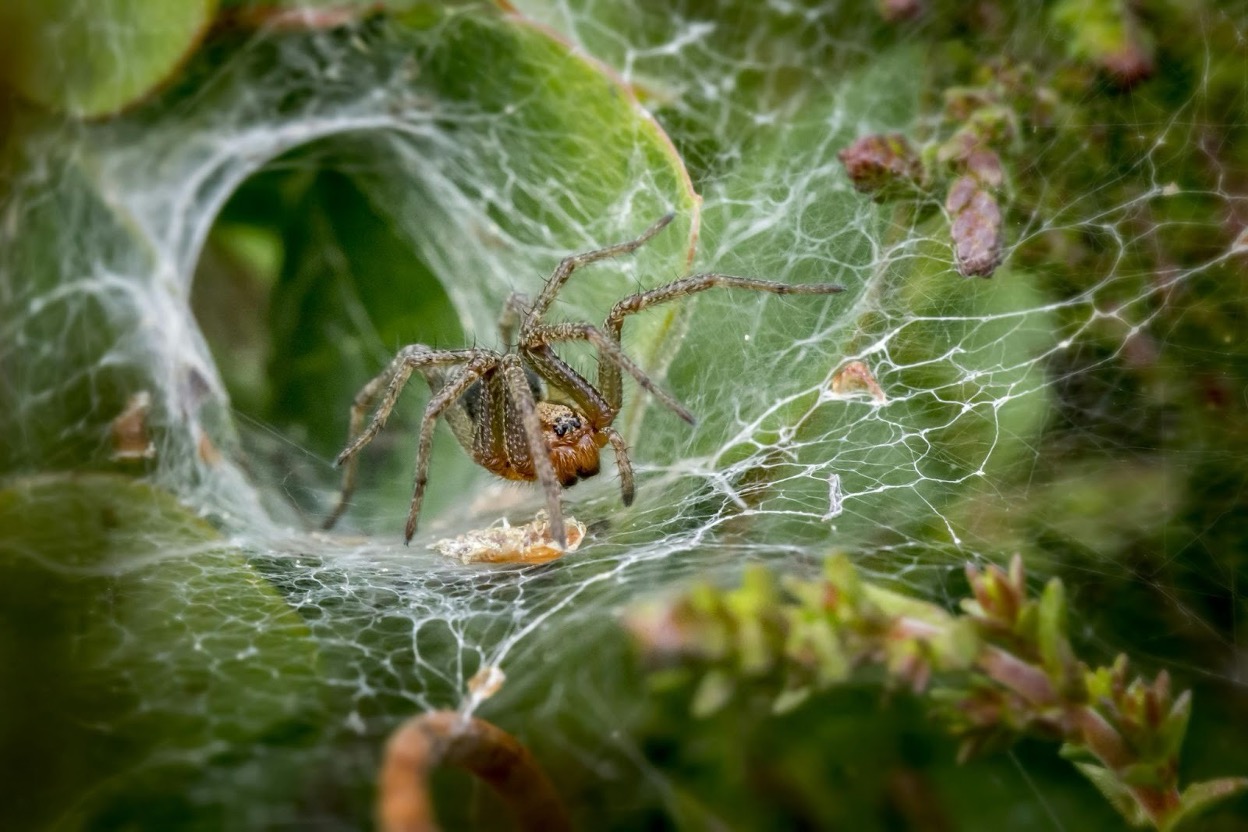
Bed bugs are parasitic insects that feed exclusively on blood, usually while you sleep. They are flat, reddish-brown, and about the size of an apple seed. Spiders, on the other hand, are not parasites. They do not seek out humans to feed on. Most spider bites happen accidentally: when a spider feels threatened, trapped in clothing, or cornered.
One of the most reliable clues is when and where bites appear. Waking up with new bites that were not there when you went to sleep strongly suggests bed bugs. A sudden, painful bite you felt during the day or evening points more toward a spider.
|
Connor’s Pest Pros: Family-Owned Pest Control Experts Choose Your Pest Protection Solution:
Customer Praise:
★★★★★ “Quick to answer my call and available same-day… I recommend them to anyone looking for pest control in NOVA.” – Jacquelyn L.
Why Choose Connor’s Pest Pros:
|
Bed Bug Bites
Bed bugs are expert hiders. They live in mattress seams, box springs, headboards, and even electrical outlets. They come out at night to feed, injecting a small amount of anesthetic so you feel nothing while it is happening. By the time itching or redness appears, the bed bug has already retreated.
What Bed Bug Bites Look Like
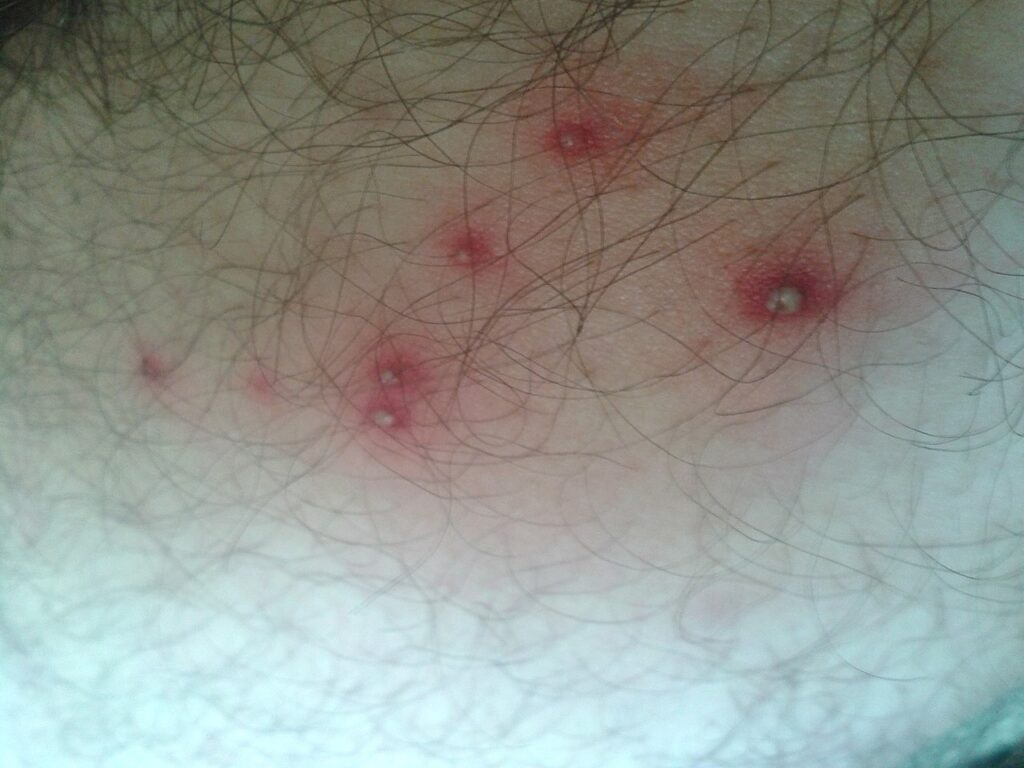
(Image source:“Piquetes de chinche de cama (Cimex lectularius)” by Correogsklicensed under CC BY-SA 4.0, via Wikimedia Commons)
_04.jpg)
Bed bug bites are small, flat, or raised red welts on the skin. They closely resemble mosquito bites but tend to appear in a very specific pattern. A single bed bug can create several bite marks in one feeding session if it is interrupted or probes for a blood vessel more than once, which contributes to bites appearing in a straight line, zigzag, or tight cluster, often three to five bites close together.
Common locations for bed bug bites include:
- Neck and face
- Arms and hands
- Shoulders
- Legs and ankles
- Any exposed skin during sleep
Unlike spider bites, bed bug bites have no puncture mark at the center. The skin around the bite may become slightly inflamed, but there is no wound or necrosis involved.
Symptoms
Most people experience intense itching, redness, and mild swelling around bed bug bites. Symptoms can take anywhere from a few hours to up to 14 days to show up, depending on how sensitive your immune system is. Some people show no visible reaction at all, while others develop larger hive-like welts.
In rare cases, a severe allergic reaction can occur, involving blistering, hives across a wider area, or in extreme cases, anaphylaxis. However, bed bugs are not known to transmit disease, making them an irritating but low-risk problem rather than a direct medical threat.
The bigger danger with bed bugs is the infestation itself: they multiply quickly and spread throughout a home if not addressed with professional pest control promptly.
Treatment Options
Most bed bug bites heal on their own within one to two weeks. To manage symptoms at home:
- Apply an over-the-counter hydrocortisone cream to reduce itching and swelling.
- Take an oral antihistamine like diphenhydramine (Benadryl) if itching is intense.
- Apply a cold compress for 10 to 15 minutes to ease discomfort.
- Avoid scratching to reduce the risk of a secondary bacterial infection.
Spider Bites
Spiders bite humans far less often than most people think. They are not parasites and have no reason to seek you out.
Most bites happen when a spider gets trapped against your skin: inside a shoe, tucked into a sleeve, or hiding under bed linens. The vast majority of spider species in North America are not medically significant and pose little risk to healthy adults.
That said, two species are worth knowing: the black widow (Latrodectus species) and the brown recluse (Loxosceles reclusa). Bites from these spiders can escalate quickly and require prompt medical evaluation.
What Spider Bites Look Like
A typical spider bite appears as a single red, swollen bump with one or two small puncture marks at the center. This is one of the clearest visual differences from bed bug bites, which never show a puncture wound.
Brown recluse bites are particularly distinctive. They may initially look mild but can develop into a necrotic wound, where the surrounding tissue darkens, blisters, and begins to break down over the course of several days.
Black widow bites may show two small fang marks close together, with localized redness and swelling at the site. Brown recluse bites, by contrast, can develop a distinctive target appearance: a dark blue or purple center surrounded by a pale ring and a large red outer ring
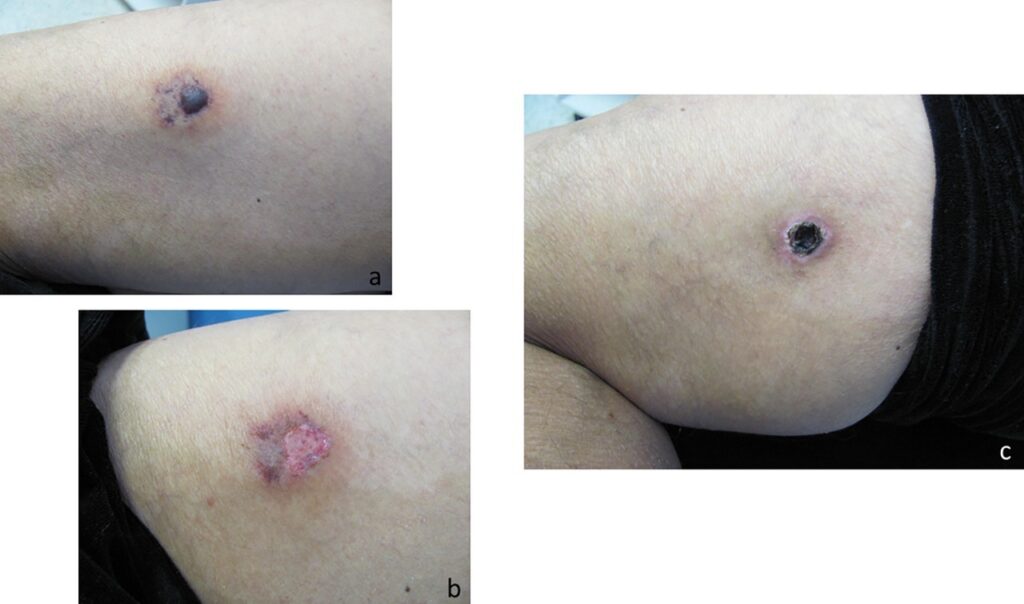
(Image source:“Loxoscelism” by Ceila M. S. Malaque, Christina T. G. Novaes, Roberta O. Piorelli, Jose Y. Risk,Jefferson C. Murad, Amanda N. Lara, Cristiana C. Virgulino, Karina T. Miyaji, Marcelo L. Santoro licensed under CC BY 4.0, via Wikimedia Commons)

Symptoms
For most harmless spider species, symptoms are limited to localized pain, mild swelling, and redness that resolves within a few days.
However, venomous spider bites are a different matter entirely. A brown recluse bite can cause a deep, expanding ulcer at the bite site, accompanied by fever, chills, nausea, and joint pain. In severe cases, a condition called loxoscelism can develop, where the venom destroys red blood cells and affects kidney function, though this is uncommon.
Black widow venom attacks the nervous system rather than the skin. Symptoms of a black widow bite include:
- Severe muscle cramps and spasms, especially in the abdomen
- Profuse sweating
- Nausea and vomiting
- Elevated blood pressure
- Headache and dizziness
- Difficulty breathing in severe cases
Treatment Options
For minor, non-venomous spider bites, follow these steps:
- Clean the wound with soap and water.
- Apply an ice pack wrapped in cloth for 10-minute intervals.
- Take over-the-counter pain relievers.
- Use a topical antihistamine cream to ease localized itching.
Suspected brown recluse or black widow bites require a different approach:
- Seek emergency medical care immediately.
- Capture or photograph the spider without putting yourself at further risk. This helps medical staff confirm the species and choose the right treatment.
- Follow your medical team’s guidance. Antivenom is available for black widow bites and works best when given promptly. Brown recluse bites may require wound care, antibiotics, or in severe cases, surgical debridement to remove necrotic tissue.
Spider Bite vs Bed Bug Bite: Comparison Table
| Feature | Bed Bug Bite | Spider Bite |
| Bite Pattern | Clusters or straight lines of 3 or more | Single bite or pair of bites |
| Puncture Mark | None visible | One or two small fang marks |
| When It Occurs | During sleep, overnight | Anytime, usually accidental |
| Pain at Bite Time | Painless (anesthetic injected) | May cause immediate sharp pain |
| Symptom Onset | Hours to days after bite | Within minutes to hours |
| Medical Risk | Low (no venom or disease transmission) | Variable (can be serious with venomous species) |
| Necrosis Possible | No | Yes (brown recluse) |
| Systemic Symptoms | Rare, only in severe allergic reaction | Yes, with black widow or brown recluse |
| Recurring Bites | Yes (infestation means repeated bites) | No (typically a one-time event) |
| Body Locations | Exposed skin, often both sides of body | Hands, feet, ankles, areas of skin contact |
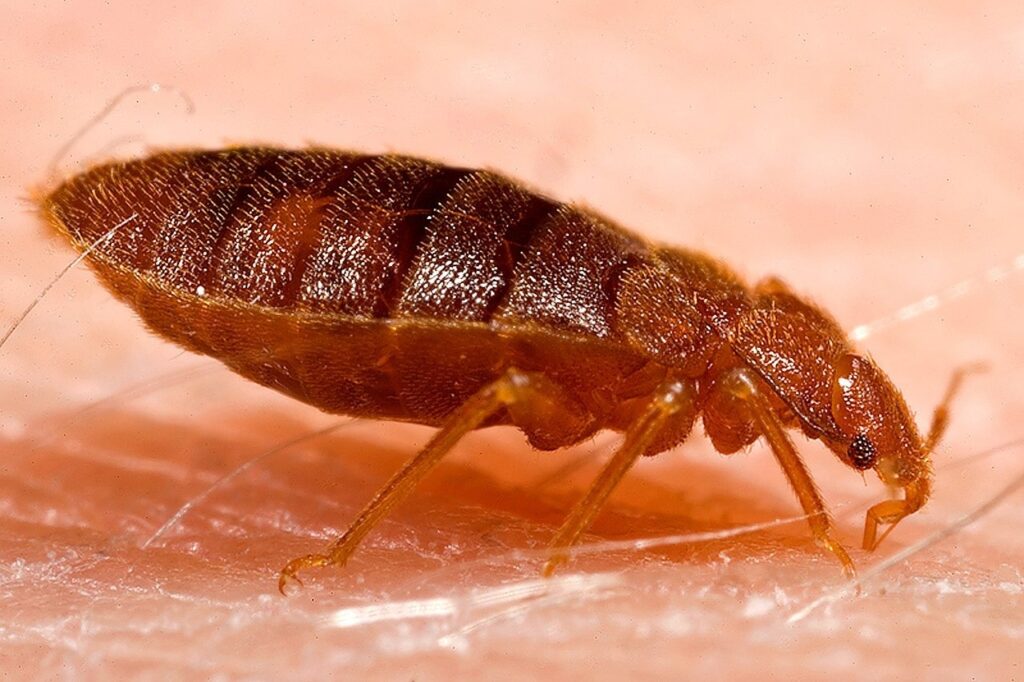
(Image source:“Bed bug, Cimex lectularius” by AJC1licensed under CC BY-SA 2.0, via Wikimedia Commons)
Clear Your Home From Spiders and Bed Bugs with Connor’s Pest Pros
Knowing the difference between spider bites and bed bug bites is a useful first step, but the pattern, timing, and location of bites only tell you so much. Recurring bites mean something is living in your home, and it will not leave on its own. Connor’s Pest Pros has helped hundreds of homeowners across Northern Virginia, Maryland, and the D.C. metro area identify and eliminate both bed bug and spider infestations.
Every treatment is pet-safe, child-friendly, and performed by licensed technicians who know exactly where these pests hide. Same-day service is available, and Connor’s Pest Pros backs every job with a 100% Satisfaction Guarantee, including free re-treatments until the problem is completely gone.
The sooner a professional confirms the source, the faster the problem gets solved. Call Connor’s Pest Pros today and get your home back.
Contact us today for a free quote!
Frequently Asked Questions (FAQs)
Can you feel a bed bug bite when it happens?
No. Bed bugs inject a small amount of anesthetic saliva before feeding, which numbs the area so you feel nothing during the bite itself. Most people are completely unaware they have been bitten until hours later when the redness and itching develop.
How long do bed bug bites take to appear?
Bed bug bites can take anywhere from a few hours to several days to become visible on the skin. The timing depends largely on your individual immune response. First-time bite victims often show little to no reaction, while people who have been repeatedly exposed may develop welts more quickly and with greater intensity.
Can a spider bite look like a bed bug bite?
In the early stages, yes. A mild spider bite can look very similar to a bed bug bite, with redness, swelling, and a raised welt. However, spider bites almost always have one or two visible puncture marks at the center, which bed bug bites do not. Spider bites are also typically isolated to a single location, whereas bed bug bites appear in clusters or lines of three or more.
Is a spider bite poisonous?
Technically, spiders are venomous, not poisonous. Venom is injected, while poison is ingested. Most spider species in North America produce venom that is too weak to cause significant harm to humans.
However, the brown recluse and black widow are notable exceptions. Their venom can cause serious local tissue damage or systemic neurological symptoms and both require prompt medical attention if a bite is suspected.
What services does Connor’s Pest Pros offer to address spider or bed bug problems?
Connor’s Pest Pros provides professional pest control services for both spider and bed bug infestations. For bed bugs, their treatments include detailed inspections, heat treatments, and targeted chemical applications designed to eliminate bugs at every life stage so the infestation does not return.