
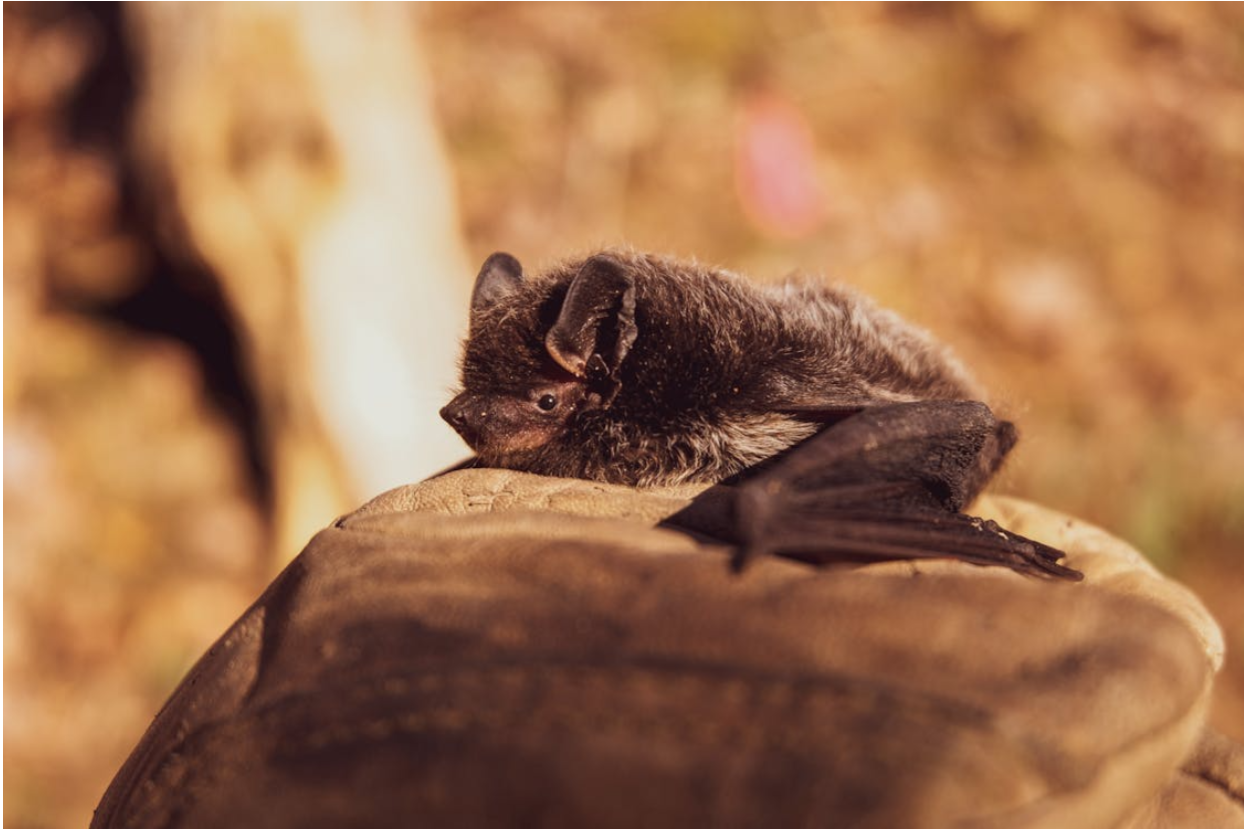
Key Takeaways
- Squirrel droppings are barrel-shaped, about 3/8 inch long with rounded edges, while bat droppings resemble black rice grains and crumble into powder when touched.
- Bat guano poses significant health risks, including histoplasmosis, while squirrel droppings carry different pathogens requiring species-specific sanitization protocols.
- Location patterns differ significantly—squirrels scatter droppings randomly while bats create concentrated piles beneath roosting areas.
- Proper identification is essential for implementing correct exclusion methods, timing restrictions, and regulatory compliance, preventing legal complications.
- Connor’s Pest Pros provides expert droppings identification, species-specific solutions, and same-day service backed by a 100% satisfaction guarantee.
Understanding Species-Appropriate Wildlife Management
Finding unknown droppings in your attic or around your property can be concerning. Is it from a squirrel, bat, or something else entirely? The difference matters significantly for proper removal and preventing health risks.
However, DC metro area homeowners face critical considerations beyond just identification: species-appropriate exclusion timing and regulatory compliance requirements. Squirrels and bats require completely different removal approaches, entry point assessment, and exclusion techniques.
Most critically, bats face strict maternity season restrictions and legal protections that squirrels don’t—making timing and compliance essential for lawful, effective wildlife removal.
|
Connor’s Pest Pros: Family-Owned Pest Control Experts Choose Your Pest Protection Solution:
Customer Praise:
★★★★★ “Quick to answer my call and available same-day… I recommend them to anyone looking for pest control in NOVA.” – Jacquelyn L.
Why Choose Connor’s Pest Pros:
|
Squirrel Poop Identification Guide
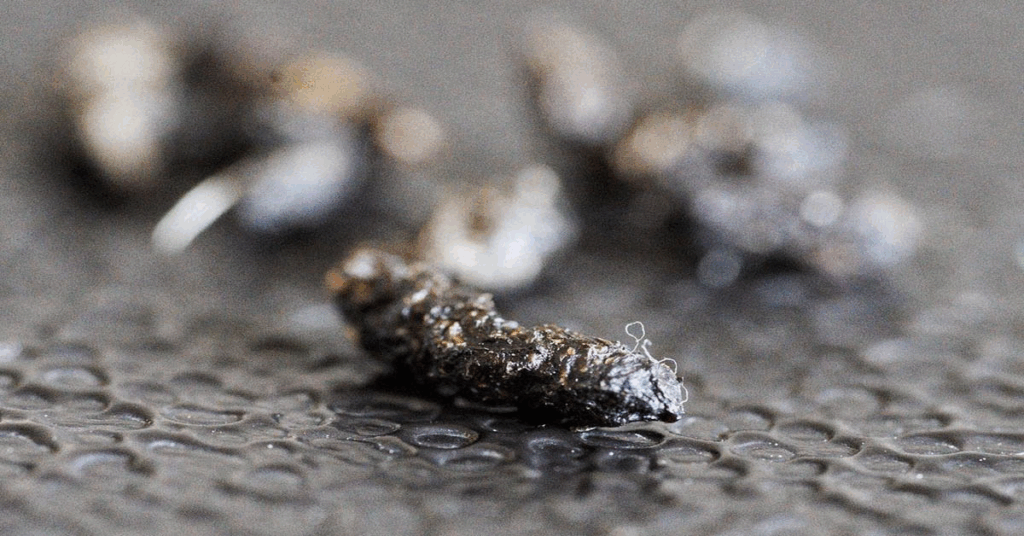
Squirrel droppings are one of the most common wildlife waste materials found in homes, especially in attics and crawl spaces. (Image source: Learn About Animal)
Physical Properties of Squirrel Droppings
Squirrel droppings have several distinctive features that separate them from other wildlife waste.
They typically measure around 3/8 inch in length, making them larger than mouse droppings but smaller than rat droppings. The shape is characteristically barrel-like with rounded edges on both ends, sometimes described as slightly oblong pellets.
Fresh squirrel droppings appear dark brown to black and slightly shiny, gradually lightening and becoming more brittle as they age. Unlike bat guano, squirrel feces maintain their solid form even when dried and won’t crumble into powder when touched. The texture is firm but not completely hard, and the surface appears relatively smooth.
Most importantly, squirrel droppings don’t contain visible insect parts, which is a key differentiator from bat guano. The color is relatively consistent throughout each dropping, without the speckled appearance sometimes seen in bat waste.
Common Locations Where Squirrel Droppings Appear
Squirrels tend to be less methodical about where they leave their droppings compared to bats.
You’ll typically find their waste scattered somewhat randomly throughout the areas they frequent. The most common locations include attics, particularly near entry points, nests, or along their regular travel routes.
Unlike bats, squirrels don’t create concentrated piles in specific spots, which can make their presence harder to detect initially. Exterior evidence often appears along fence tops, deck railings, patio furniture, or any elevated surfaces squirrels use as pathways.
If you notice droppings scattered across your attic floor with no particular pattern, you’re more likely dealing with squirrels than bats, which typically create concentrated piles directly beneath roosting spots.
Seasonal Patterns in Squirrel Waste
The volume and location of squirrel droppings often follow seasonal patterns that correspond with their activity levels and nesting behaviors.
During late winter and early spring, you might notice increased droppings in attics as female squirrels prepare nesting sites for their first litter of the year. Similarly, late summer often brings another increase as they prepare for fall litters and food storage activities.
Winter often shows concentrated droppings around nests as squirrels spend more time in sheltered areas during harsh weather.
Bat Poop Identification Guide
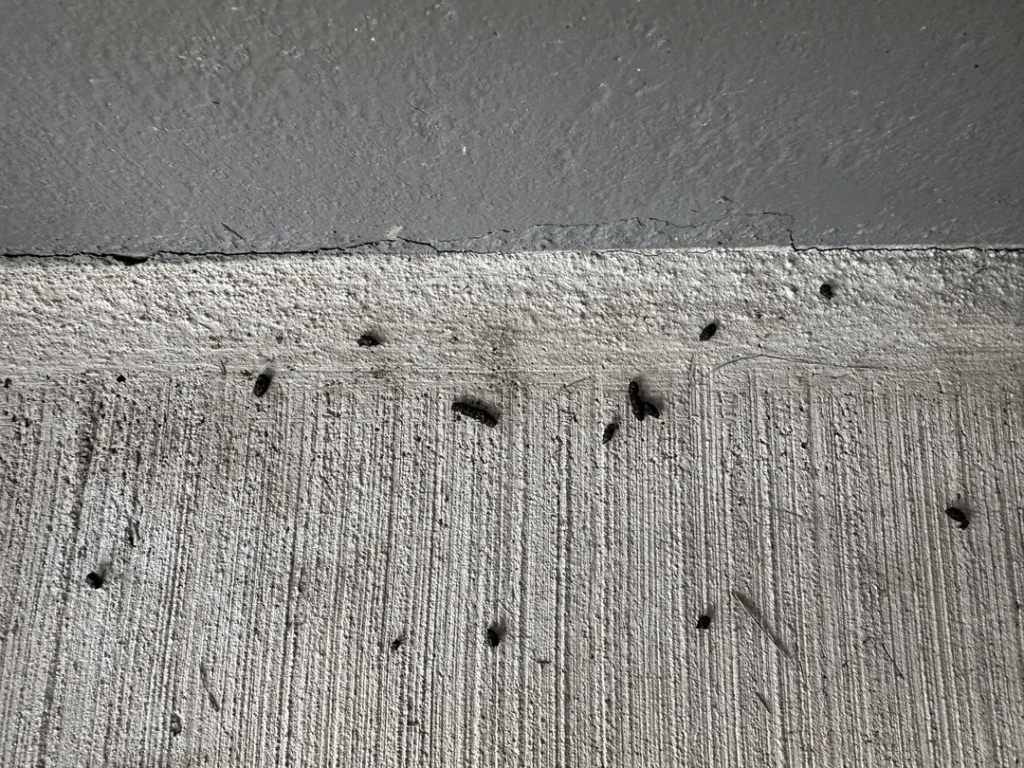
Bat droppings, commonly referred to as guano, present distinct characteristics that differ significantly from squirrel waste. (Image source: Reddit)
Physical Properties of Bat Droppings
Bat guano has a distinctive appearance that separates it from other wildlife droppings.
These pellets typically resemble elongated grains of black rice, measuring approximately 1/4 to 1/2 inch in length. The shape of bat droppings is more elongate and narrow compared to the barrel-shaped squirrel feces. Bat guano typically has pointed or slightly tapered ends rather than rounded ones.
Fresh guano appears shiny and black, with a slightly speckled appearance due to the insect parts contained within. Unlike squirrel droppings, which maintain a consistent color throughout, bat guano often displays a subtle sparkle when examined closely—a result of undigested insect exoskeletons.
One of the most reliable indicators is examining the contents; bat guano exclusively contains insect remains, while squirrel droppings may contain plant material, seed fragments, or nut shells, depending on their diet and the season.
Distinctive Crumbly Texture When Dried
Perhaps the most definitive characteristic of bat guano is its distinctive texture when dried. Unlike squirrel droppings, which remain relatively solid even when old, bat guano crumbles easily into a fine, dark powder when touched or disturbed.
This crumbling property is due to the high content of digested insect parts, particularly chitinous exoskeletons that don’t fully break down during digestion.
When testing an unknown dropping (always with proper protective equipment), this powder test provides one of the most reliable methods for distinguishing bat guano from other wildlife waste.
Typical Accumulation Patterns in Buildings
Bat guano accumulation follows predictable patterns that differ dramatically from the distribution of squirrel droppings. Bats typically roost in groups, hanging from rafters, beams, or within wall voids, and their droppings accumulate directly beneath these roosting spots in distinctive piles or mounds.
This concentrated accumulation pattern creates noticeable “guano piles” rather than the scattered distribution typical of squirrel waste. In severe infestations, these piles can grow substantially over time, sometimes creating stains on ceiling materials as the guano’s acidic properties seep through.
In attics, look for guano deposits concentrated beneath ridgelines or in corners where temperature and airflow create ideal roosting conditions. Entry points often show staining from both guano and body oils, with dark smudges around openings where bats squeeze through.
The Unique Smell of Bat Colonies
The presence of bats often announces itself through a distinctive odor that differs significantly from squirrel infestations. Bat guano produces a strong, pungent ammonia-like smell that becomes increasingly intense as the colony size grows or as guano accumulates over time.
This odor has a sharp, acrid quality that can permeate ceiling materials and enter living spaces, particularly during hot weather when the attic heats up. Beyond the guano itself, bat urine contributes significantly to the distinctive smell, often creating dark staining on affected surfaces.
In contrast, squirrel infestations typically produce a milder, mustier odor that lacks the sharp ammonia notes associated with bat colonies. If you detect a strong ammonia-like smell emanating from your attic or walls, particularly one that worsens in summer months, bat infestation should be high on your list of suspects.
How to Prevent Future Wildlife Infestations
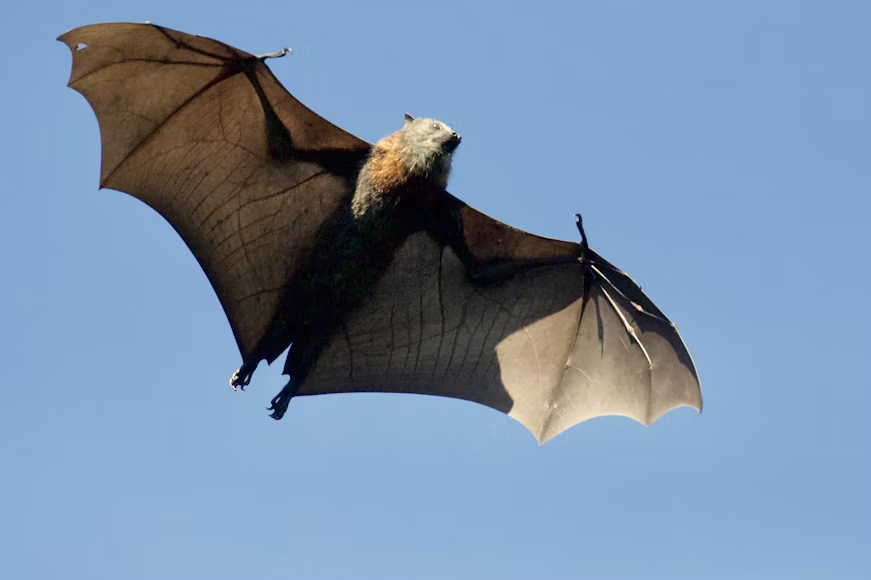
Once you’ve identified and properly excluded either squirrels or bats from your property, preventing future invasions becomes the priority.
Sealing Entry Points for Squirrels
Squirrels are persistent and surprisingly strong, capable of enlarging small openings to gain access to your home. Conduct a thorough inspection of your home’s exterior, paying special attention to roof lines, vents, chimney caps, and areas where different building materials meet.
Replace damaged soffit vents with heavy-duty steel mesh versions that resist chewing, and cap chimneys with professional-grade covers that prevent entry while allowing proper ventilation. Install metal flashing around potential entry points where tree branches come within 8–10 feet of your roof or walls.
For existing holes, avoid using expanding foam or wood fillers alone, as squirrels can easily chew through these materials. Instead, use metal flashing or 1/4-inch hardware cloth secured with screws before covering with appropriate building materials.
Bat-Proofing Your Home
Bat exclusion requires an entirely different approach than squirrel prevention, given their ability to enter through much smaller openings and strict regulatory protections.
A professional bat exclusion typically begins with a thorough inspection using specialized equipment, such as thermal cameras, to identify all potential entry points.
Proper exclusion must account for bats’ ability to squeeze through gaps as narrow as 3/8 inch, making methodical inspection crucial. Unlike squirrel exclusion, bat removal often involves installing one-way valves or exclusion netting that allows bats to exit but prevents re-entry.
Landscaping Adjustments That Deter Wildlife
Beyond structural modifications, your landscaping choices significantly impact wildlife attraction to your property.
To prevent squirrels, consider strategic adjustments to make your yard less inviting. Trim tree branches that provide “highways” to your roof, maintaining at least an 8-foot gap between trees and structures.
For bat deterrence, focus on reducing insect populations near your home, as they provide the primary food source. Minimize bright outdoor lighting that attracts insects, especially during peak bat activity periods from dusk to dawn. Consider replacing traditional bulbs with yellow “bug lights” that attract fewer insects.
Squirrel Poop vs Bat Poop: Comparison Table
| Characteristic | Squirrel Droppings | Bat Droppings (Guano) |
| Size | Approximately 3/8 inch long | 1/4 to 1/2 inch long |
| Shape | Barrel-shaped with rounded edges; oblong pellets | Elongated, resembling black rice grains; pointed or tapered ends |
| Color (Fresh) | Dark brown to black; slightly shiny | Shiny black with a subtle speckled appearance |
| Color (Aged) | Lightens over time; becomes more brittle | Remains dark; may show sparkle from insect parts |
| Texture | Firm but not completely hard; smooth surface | Crumbles easily into fine powder when dried |
| Crumble Test | Maintains solid form even when dried | Disintegrates into dark powder when touched |
| Contents | May contain plant material, seed fragments, or nut shells | Contains visible insect parts and exoskeletons (creates sparkle) |
| Smell | Milder, mustier odor | Strong, pungent ammonia-like smell |
| Distribution Pattern | Scattered randomly throughout areas; no specific pattern | Concentrated piles directly beneath roosting spots |
| Common Locations | Throughout attics, near entry points, along travel routes, on elevated outdoor surfaces | Beneath rafters and beams, in corners, concentrated under roosting areas |
| Accumulation | Spread out over larger areas | Forms distinctive mounds or piles in specific locations |
| Staining | Minimal staining on surfaces | Can create dark stains on ceilings from acidic properties |
| Primary Health Risks | Salmonellosis, leptospirosis, bacterial infections | Histoplasmosis (serious respiratory disease) |
| Seasonal Patterns | Increases during nesting seasons (late winter/early spring, late summer) | Year-round presence; increases with colony size |
Choose Connor’s Pest Pros For Professional Wildlife Management
Connor’s Pest Pros uses EPA-approved sanitization protocols specific to the pathogen profile of each species.
Identifying whether droppings come from squirrels or bats is the first step toward choosing the right solution. Connor’s Pest Pros provides accurate wildlife identification and targeted treatment plans, helping homeowners address the specific issue without guesswork or ineffective fixes.
Our team starts with a detailed inspection to locate entry points, nesting or roosting areas, and conditions attracting wildlife. Based on our findings, we recommend humane, compliant solutions such as exclusion work, removal, and prevention measures tailored to squirrels or bats.
When droppings are found, we offer same-day identification and service, along with a Total Protection package starting at $95 per month to prevent future activity. Backed by 415+ five-star reviews, a 2024 Angi Super Service Award, and a 100% satisfaction guarantee, Connor’s Pest Pros helps protect your home from squirrels, bats, and other nuisance wildlife with confidence.
Contact us today for your free quote!
Frequently Asked Questions (FAQs)
Can I get sick from touching squirrel or bat poop?
Yes, both squirrel droppings and bat guano pose significant health risks, though the diseases they carry differ. Bat guano presents the more serious concern, potentially harboring the fungus Histoplasma capsulatum, which causes histoplasmosis.
This respiratory disease develops when people inhale spores released by disturbed dried guano. Initial symptoms resemble flu but can progress to more severe respiratory complications, particularly in immunocompromised individuals.
Squirrel droppings can contain salmonellosis, leptospirosis, and other bacterial infections transmitted through accidental ingestion or contact with mucous membranes. Always wear protective equipment, including N95 masks, gloves, and eye protection, when cleaning any wildlife droppings, and consider professional help for significant accumulations.
How long does it take for wildlife droppings to decompose?
Decomposition rates vary significantly based on environmental conditions, quantity, and type of droppings. In typical indoor environments such as attics, squirrel droppings may take 6–12 months to decompose fully.
At the same time, bat guano can persist much longer, sometimes for years, due to its drier composition and the protected indoor environment.
Can I legally remove bats from my home myself?
Legal restrictions on bat removal vary significantly by location and season. Many bat species are protected under state and federal regulations, with strict limitations on when and how they can be excluded.
Most states prohibit bat exclusion during maternity seasons (typically May through August) when dependent young may be present.
What makes Connor’s Pest Pros better than DIY wildlife exclusion?
Connor’s Pest Pros provides species-appropriate exclusion timing and regulatory compliance expertise that DIY attempts fundamentally cannot match.
We understand federal bat protections, state wildlife regulations, and local ordinances, ensuring exclusion timing and methods comply with all applicable laws—protecting you from fines.
This combination of expertise, compliance knowledge, and professional equipment makes Connor’s Pest Pros the safer, more reliable choice for wildlife exclusion.
*Image Disclaimer: Some images used in this blog post are sourced from third-party websites and remain the property of their respective owners unless otherwise stated. We do not claim ownership of these images and use them for illustrative purposes only.